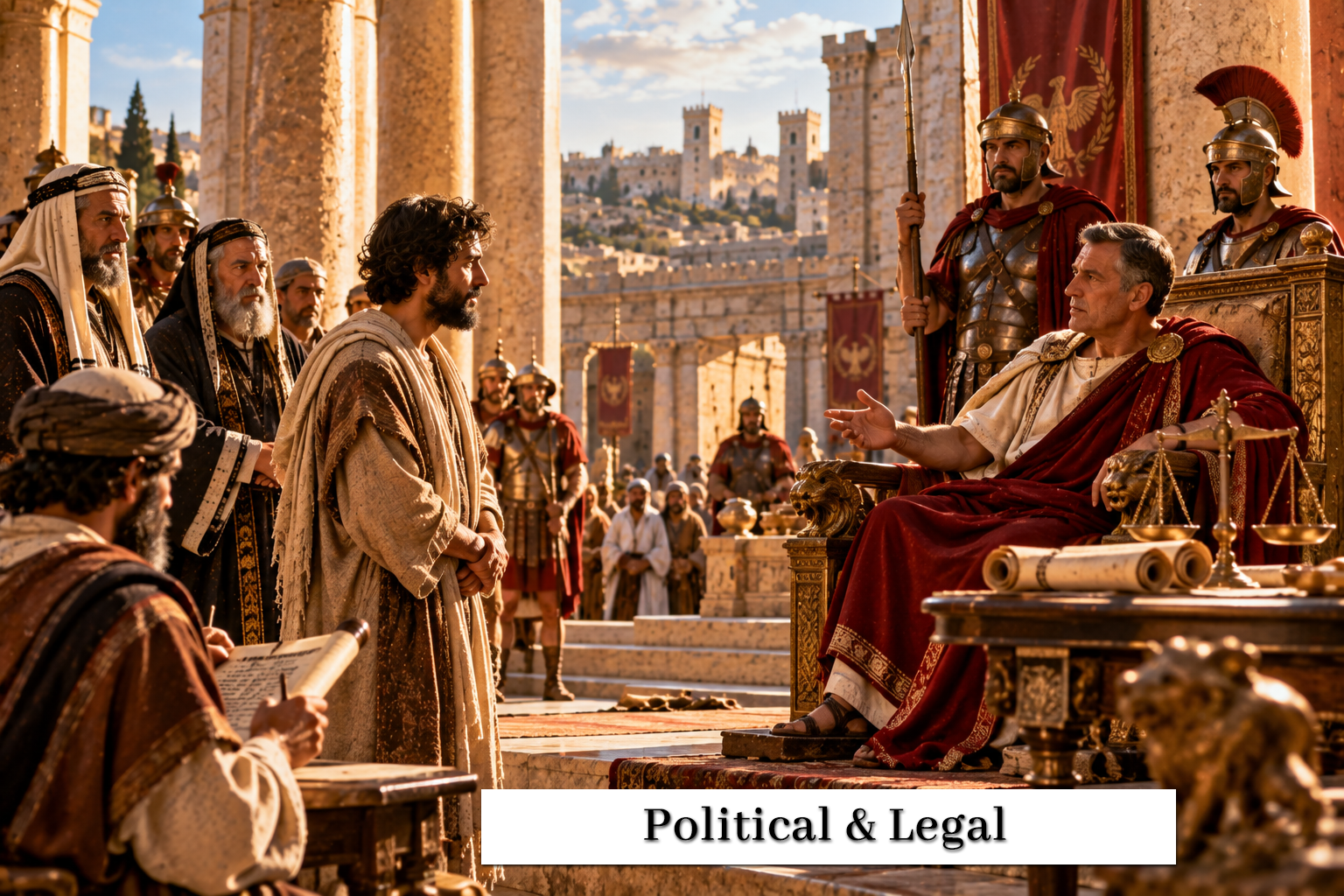
The Centurion at the Cross
Political/Legal Context
A Roman centurion overseeing the execution becomes an unexpected witness in Luke's crucifixion narrative, declaring Jesus righteous after seeing what occurs.

The Centurion at the Cross
Political/Legal Context
A Roman centurion overseeing the execution becomes an unexpected witness in Luke's crucifixion narrative, declaring Jesus righteous after seeing what occurs.
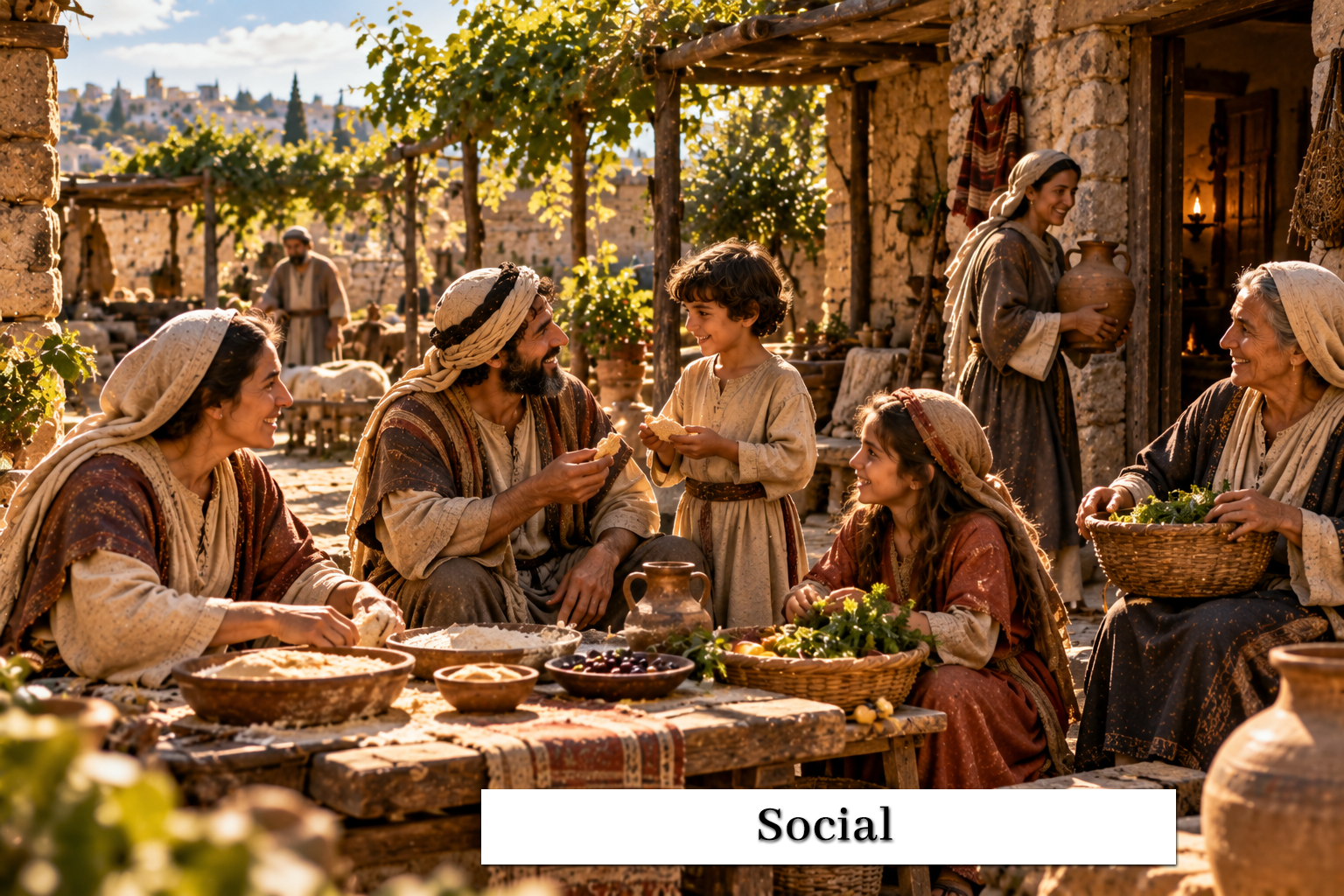
Beating the Breast in Grief
Social Context
The crowd's breast-beating after Jesus' death is a visible ancient gesture of grief, remorse, or lament rather than a casual expression of sadness.
Joseph of Arimathea: Council Member and Disciple
Political/Legal Context
Joseph of Arimathea combines social standing within the Jerusalem council with sympathy for Jesus and enough access to request the body directly from Pilate.
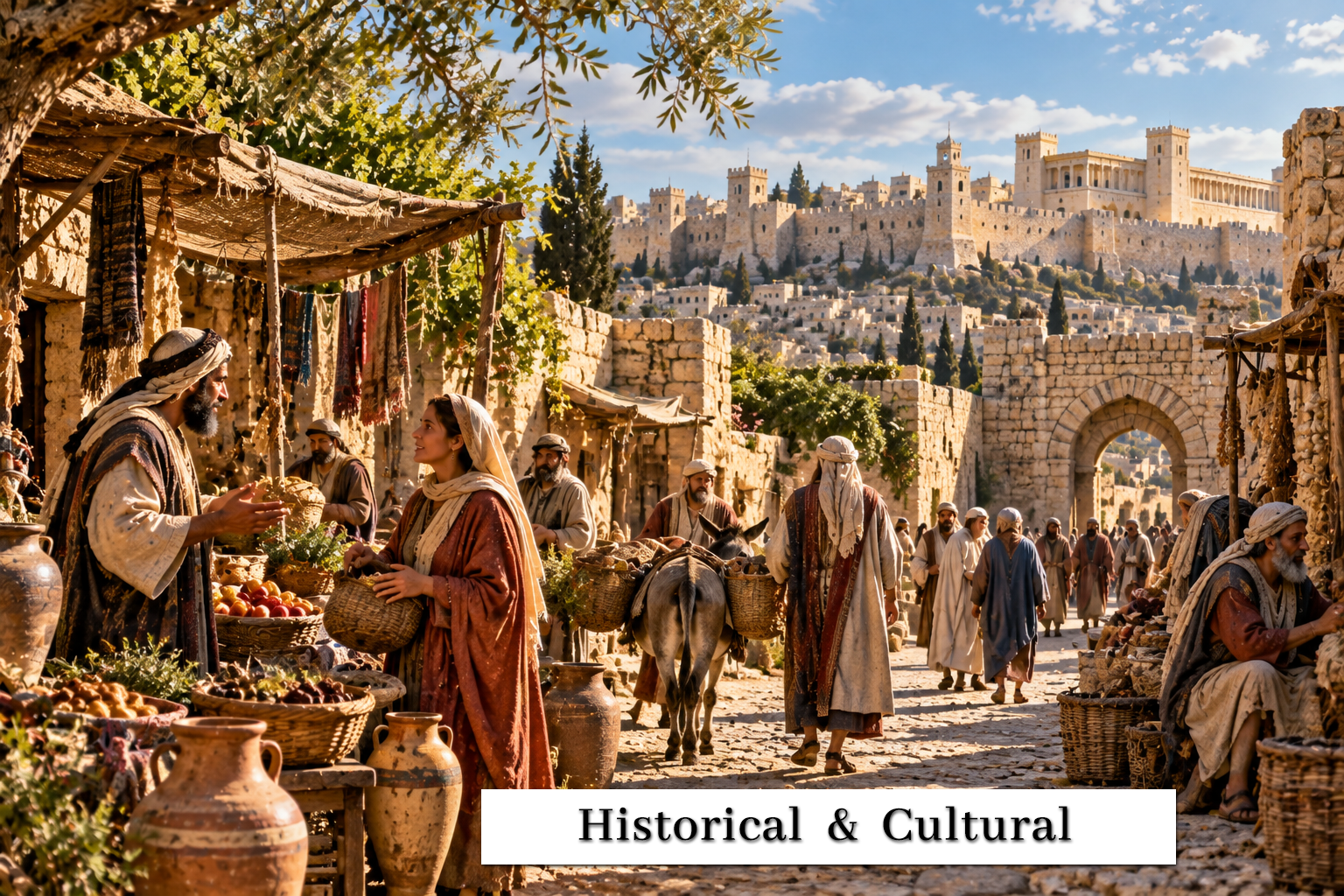
Burial Spices and the Sabbath
Burial and Mourning
The women observe Jesus' burial, prepare aromatic spices, rest on the Sabbath, and return afterward, a sequence shaped by Jewish burial practice and Sabbath observance.
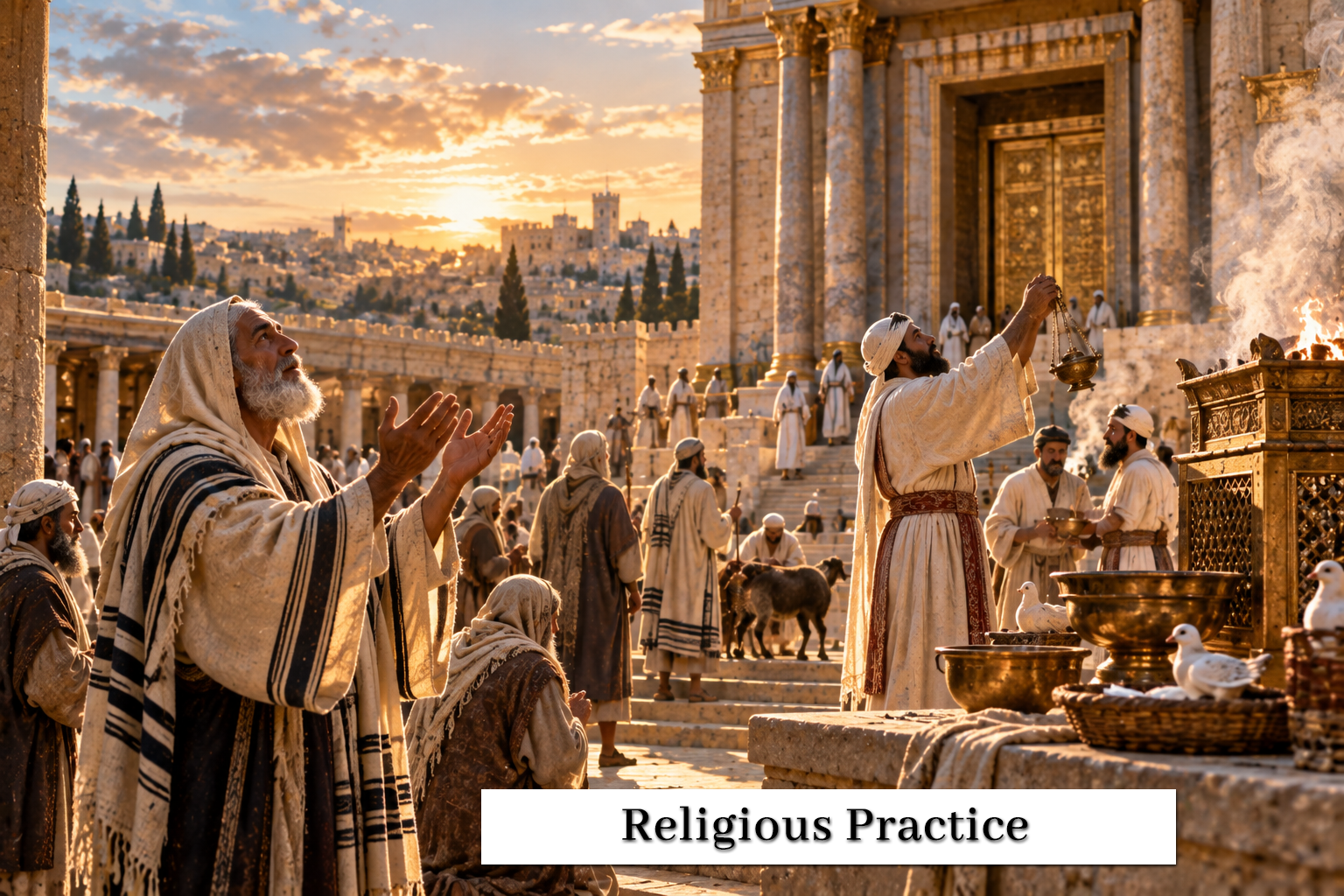
The First Day of the Week
Religious Practice
Luke dates the women's return to the tomb to the first day of the Jewish week, the day after the Sabbath and the day that became central to Christian resurrection remembrance.

Rock-Cut Tombs and Blocking Stones
Material Culture
Jesus' rock-cut tomb, its closing stone, and Peter's view of the linen cloths fit known first-century Judean burial settings while leaving room for variation in tomb design.
The Women as Witnesses to the Empty Tomb
Social Context
Luke emphasizes that women who had followed Jesus from Galilee observed his burial, found the tomb empty, and reported the news even though the apostles initially dismissed their words.
Emmaus: Sixty Stadia From Jerusalem
Weights and Measures
Luke locates Emmaus about sixty stadia from Jerusalem, a distance of roughly seven miles that makes the disciples' same-day journey and return understandable.
We Had Hoped He Would Redeem Israel
Historical/Cultural Context
The Emmaus disciples' disappointed hope that Jesus would 'redeem Israel' reflects Jewish expectations of God's deliverance shaped by Scripture and life under foreign rule.
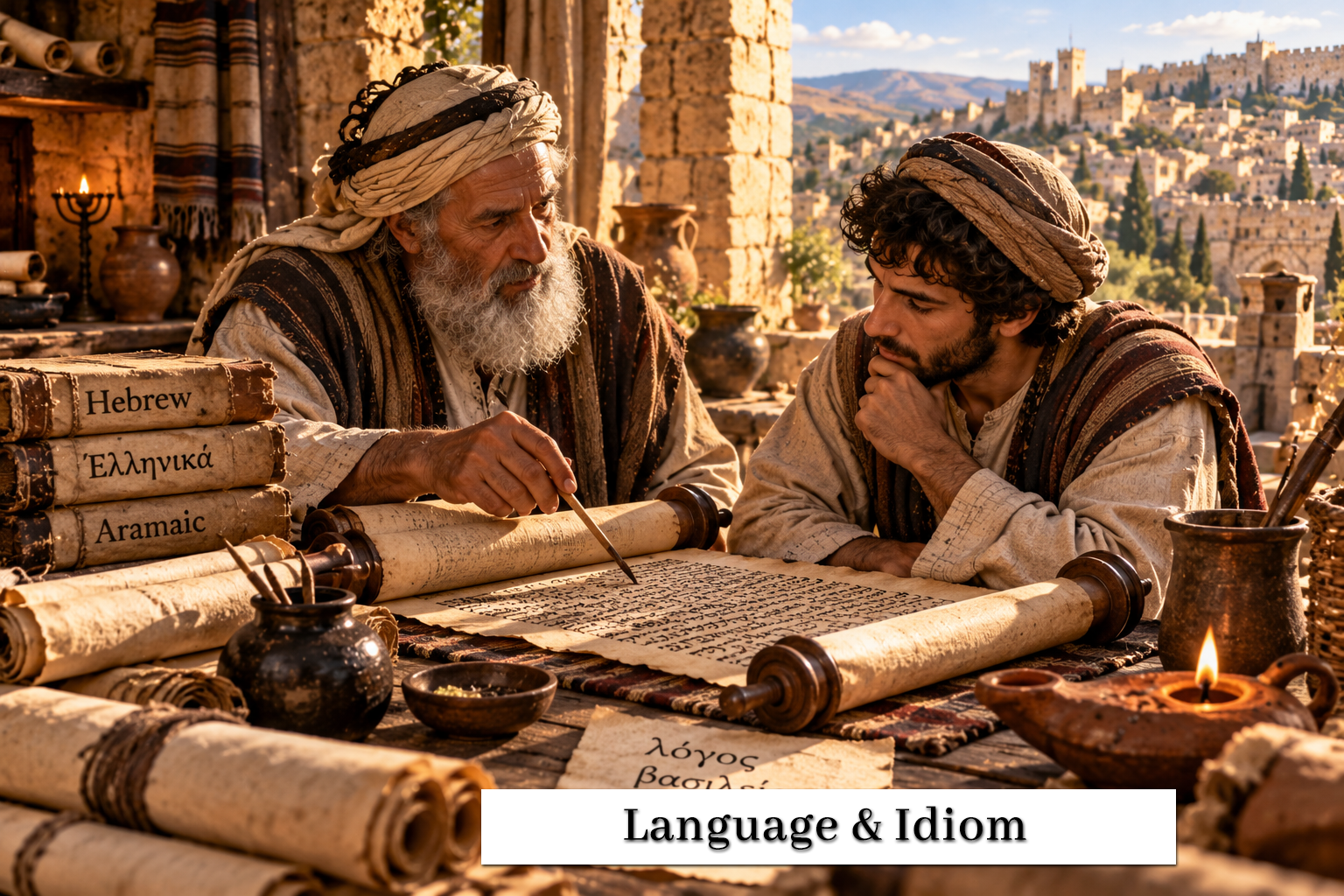
The Third Day in Ancient Reckoning
Language and Idiom
Ancient inclusive counting could call a period spanning parts of Friday, Saturday, and Sunday 'the third day' without requiring three complete twenty-four-hour periods.
Stay With Us: Hospitality at Emmaus
Household Life
The Emmaus disciples urge the unknown traveler to stay as evening approaches and then share bread with him, reflecting the practical and social importance of hospitality to travelers.
Returning to Jerusalem That Same Hour
Travel and Roads
The Emmaus disciples immediately retrace a substantial journey toward Jerusalem after recognizing Jesus, despite having just argued that evening was too late for further travel.
© 2026 AVisitWithJesus
"For God so loved the world, that he gave his only begotten Son,
that whosoever believeth in him should not perish, but have everlasting life."