The High Priest's Servant
Social Context
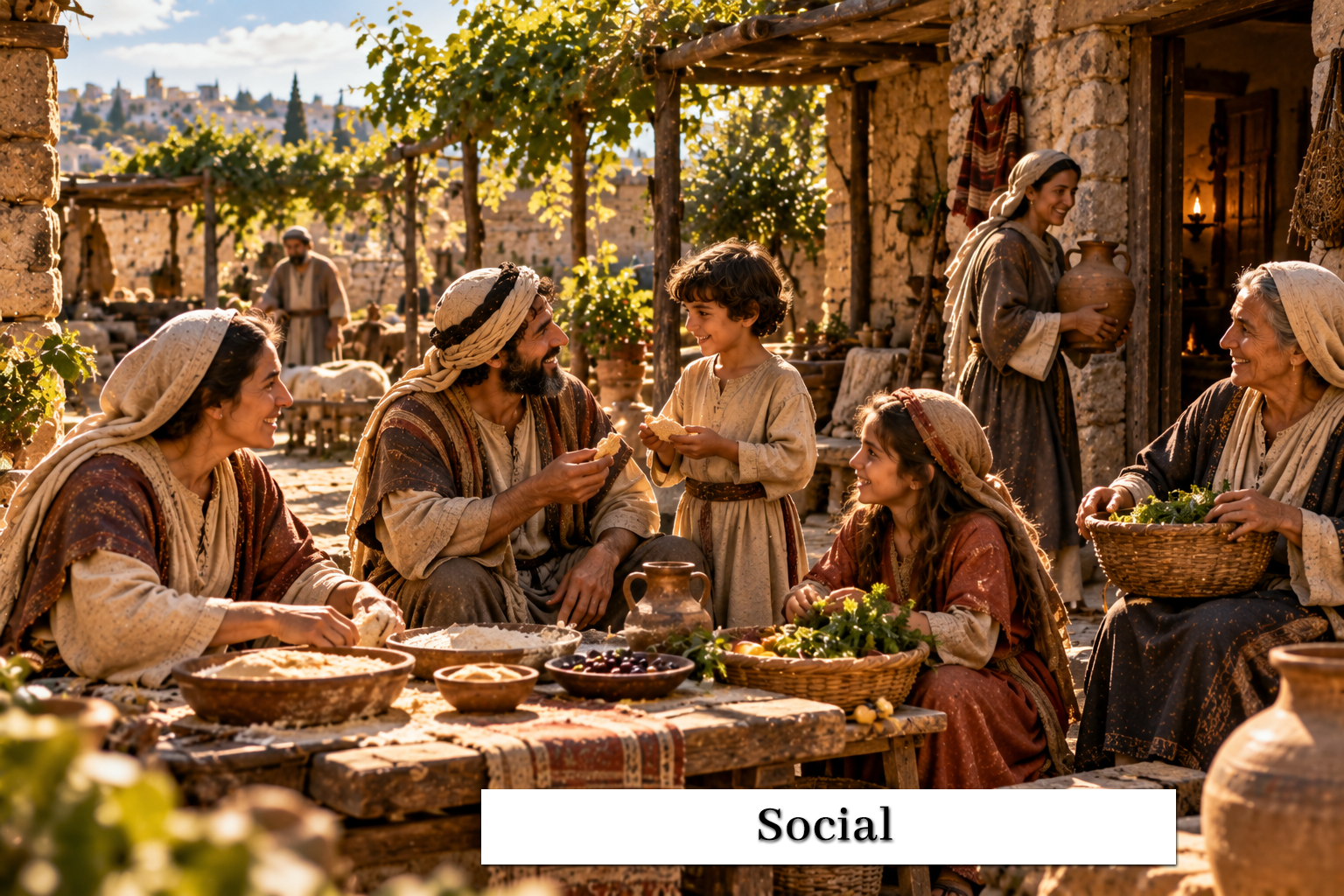
The wounded man at Jesus' arrest is identified as the high priest's servant, placing him within an elite priestly household rather than among anonymous bystanders.

The High Priest's Servant
Social Context
The wounded man at Jesus' arrest is identified as the high priest's servant, placing him within an elite priestly household rather than among anonymous bystanders.
The Council of Elders, Chief Priests, and Scribes
Political/Legal Context
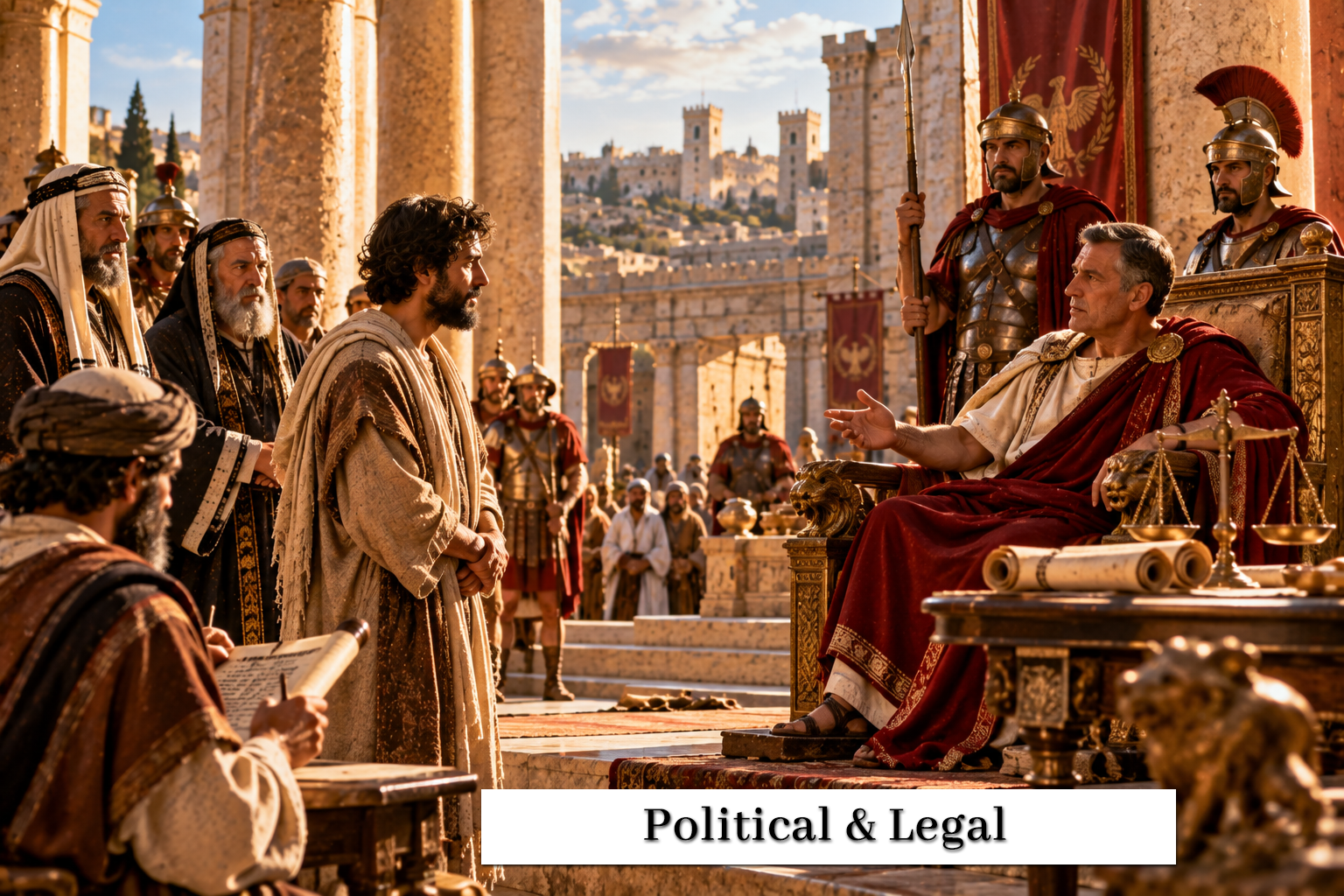
Luke's council scene brings together elders, chief priests, and scribes within Jerusalem's governing religious leadership as Jesus is questioned before being taken to Pilate.
Pontius Pilate and Roman Authority
Political/Legal Context
Bringing Jesus to Pontius Pilate moves the case into Roman political jurisdiction, where accusations about kingship, taxation, and public order carry particular weight.
Jesus Before Herod Antipas
Political/Legal Context
Luke uniquely sends Jesus from Pilate to Herod Antipas, the Galilean tetrarch who happened to be in Jerusalem, exposing overlapping jurisdictions and elite political relationships.
Barabbas: Insurrection and Murder
Political/Legal Context
Luke identifies Barabbas not as a generic thief but as a prisoner connected with insurrection and murder, crimes directly threatening Roman public order.
Daughters of Jerusalem and Public Lament
Social Context
Women publicly mourning Jesus participate in an established culture of lament, while his address 'Daughters of Jerusalem' turns their grief toward the catastrophe he says will come upon the city.
Casting Lots for Jesus' Garments
Material Culture
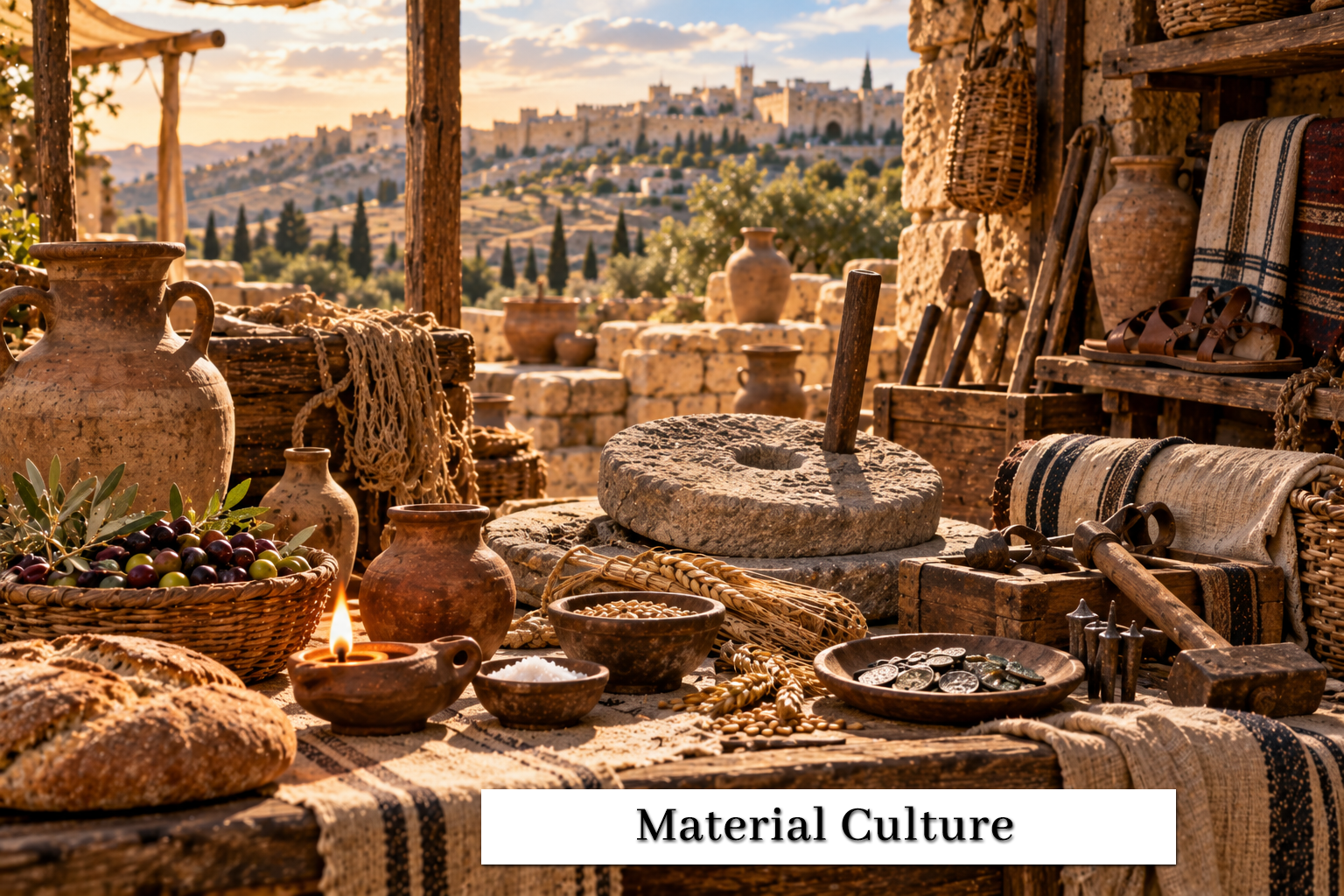
The soldiers' division of Jesus' clothing reflects both the economic value of garments in antiquity and the humiliating dispossession that accompanied crucifixion.
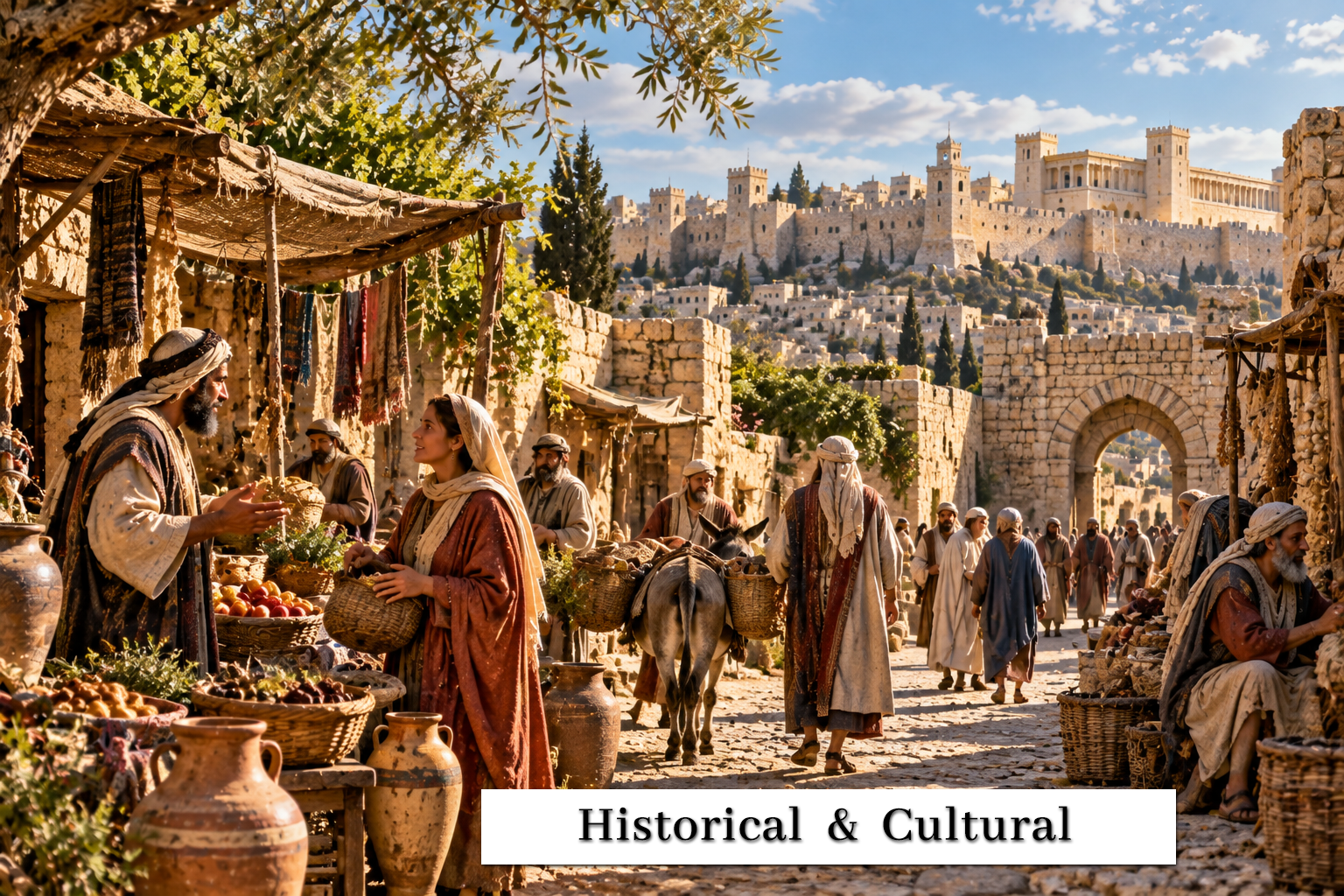
Sour Wine at the Cross
Food and Dining
The sour wine offered to Jesus was a common inexpensive drink rather than the fine wine of a banquet, fitting the setting of Roman soldiers at an execution.
The Inscription: King of the Jews
Political/Legal Context
The inscription over Jesus publicly states the charge 'King of the Jews,' reflecting Roman execution practice and making the political accusation visible to spectators.
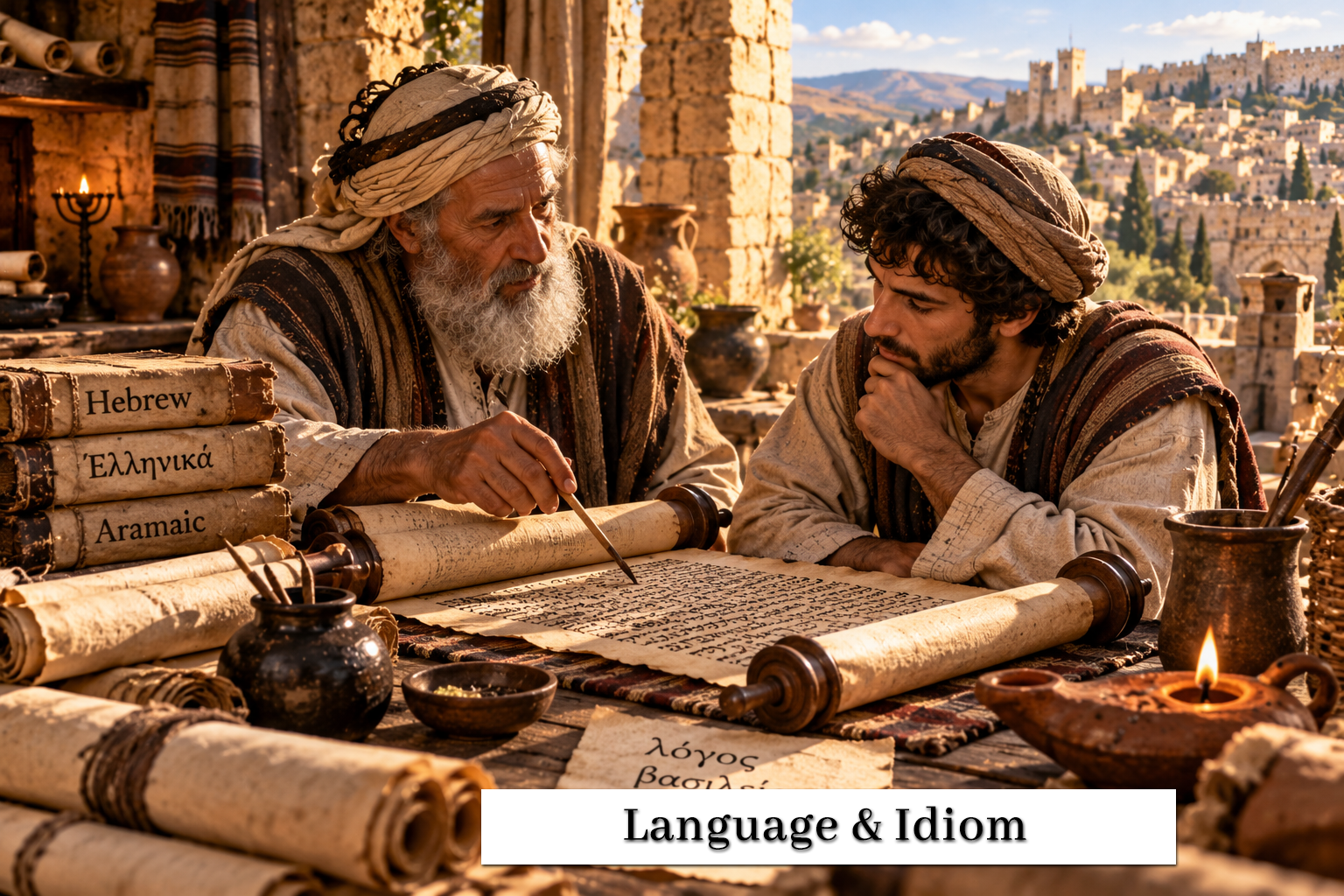
Paradise
Language and Idiom
Jesus' promise of 'paradise' uses a word with a long history from royal gardens to Jewish images of God's blessed dwelling and restored Eden.
The Sixth and Ninth Hours
Weights and Measures
Luke's sixth and ninth hours correspond approximately to noon and mid-afternoon under ancient daylight reckoning, clarifying the duration of the darkness at the crucifixion.
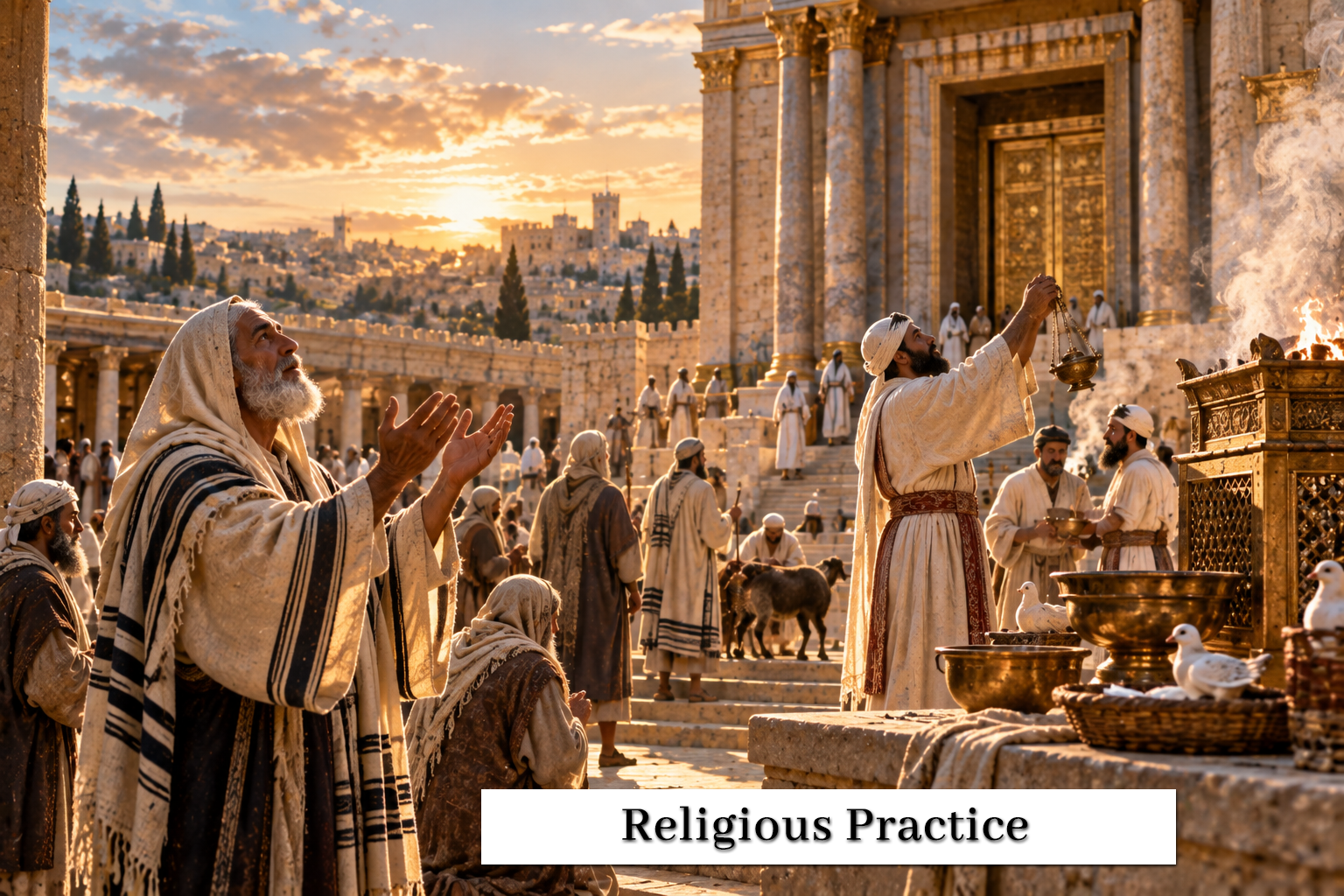
The Temple Veil Is Torn
Religious Practice
The torn Temple veil draws on the architecture and sacred boundaries of Israel's sanctuary, where curtains marked restricted holy space.
© 2026 AVisitWithJesus
"For God so loved the world, that he gave his only begotten Son,
that whosoever believeth in him should not perish, but have everlasting life."