
Jesus in Context

Casting Lots for Jesus' Garments

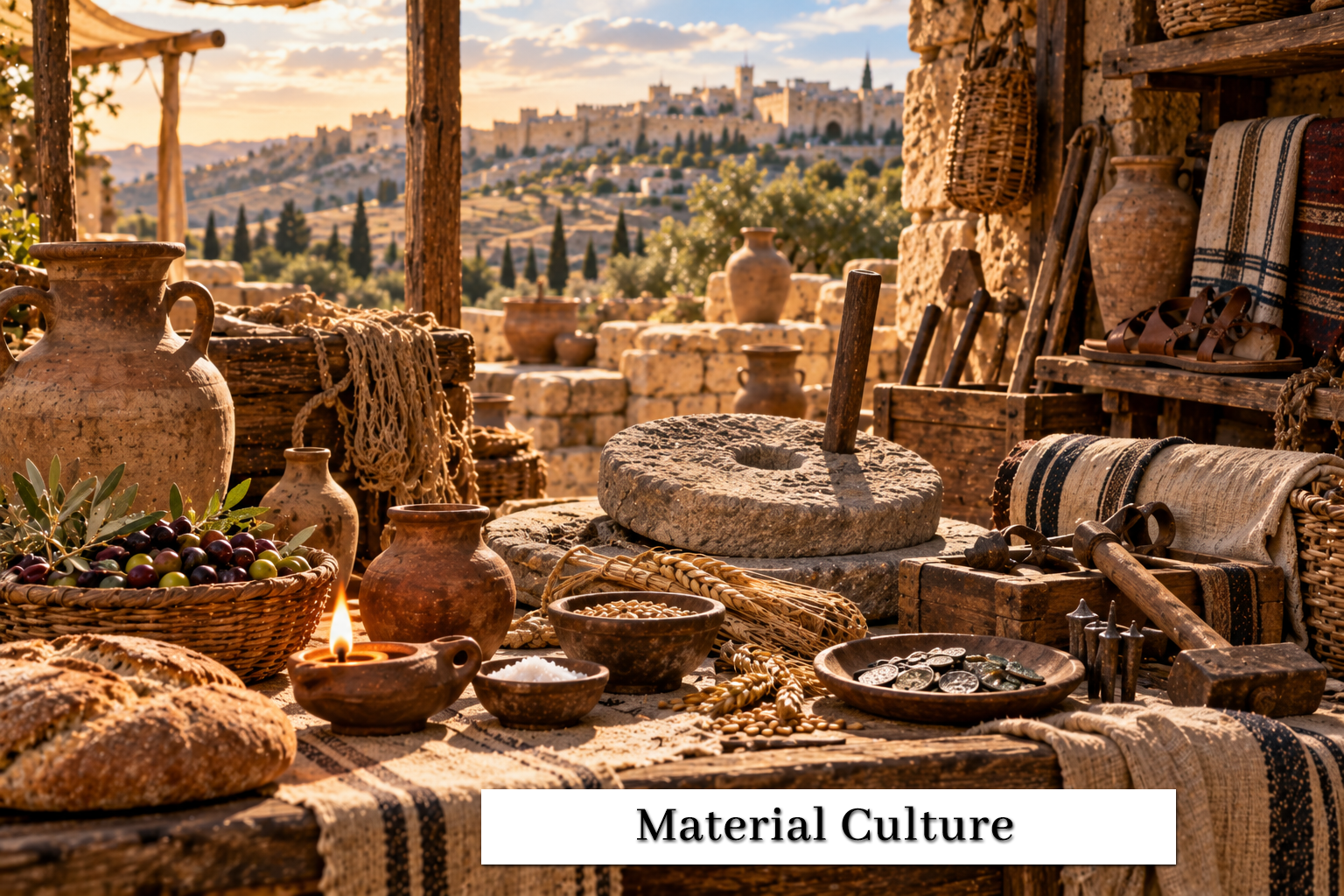
Material Culture
A Visit With Jesus
The soldiers' division of Jesus' clothing reflects both the economic value of garments in antiquity and the humiliating dispossession that accompanied crucifixion.
Material Culture

Introduction

Luke briefly says that those carrying out the execution divided Jesus' garments and cast lots for them. To modern readers clothing can seem incidental, but garments represented real material value and could be worth claiming.

The act also belongs to the stripping and humiliation of a condemned person who has lost control even of his possessions.

Historical and Cultural Context

Textiles were labor-intensive products in antiquity. Clothing was therefore commonly reused, traded, inherited, or taken as spoil rather than treated as disposable. Execution personnel could divide a condemned person's remaining possessions, and casting lots provided a simple means of assigning items.

The Gospel tradition also evokes Psalm 22:18, where garments are divided and lots are cast for clothing. The material practice and the scriptural resonance operate together.

Why It Matters

The custom makes the scene more concrete: while Jesus is dying, his clothing is treated as property available for distribution. His public degradation includes material dispossession.

At the same time, the correspondence with Psalm 22 places an ordinary act of execution detail within the Gospel's larger scriptural presentation of Jesus' suffering.

Related Customs