Going the Second Mile
Political/Legal Context
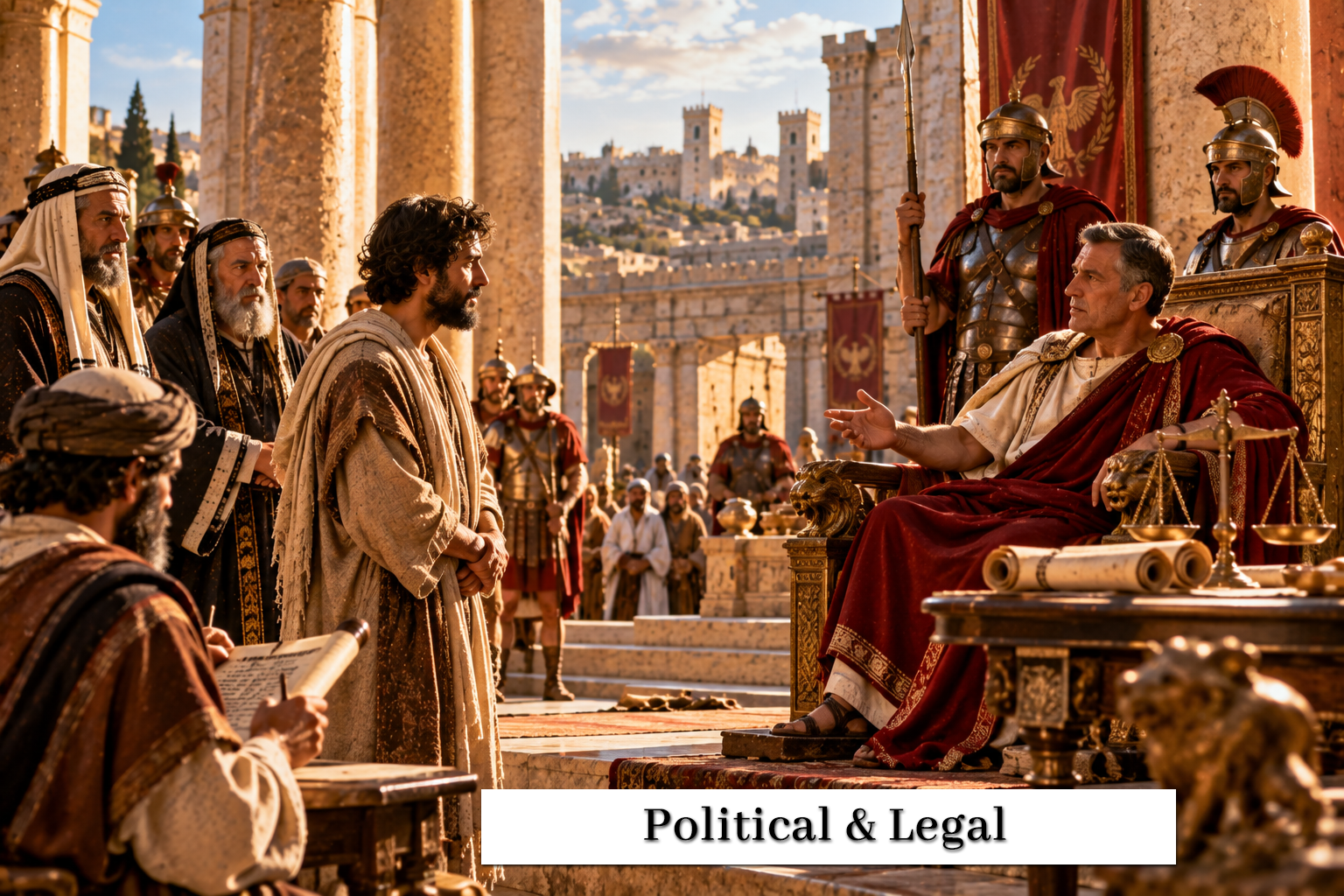
Jesus' command to go a second mile drew on compulsory service under imperial authority, turning a familiar burden of occupation into an example of freely chosen generosity.

Going the Second Mile
Political/Legal Context
Jesus' command to go a second mile drew on compulsory service under imperial authority, turning a familiar burden of occupation into an example of freely chosen generosity.
Turning the Other Cheek
Social Context
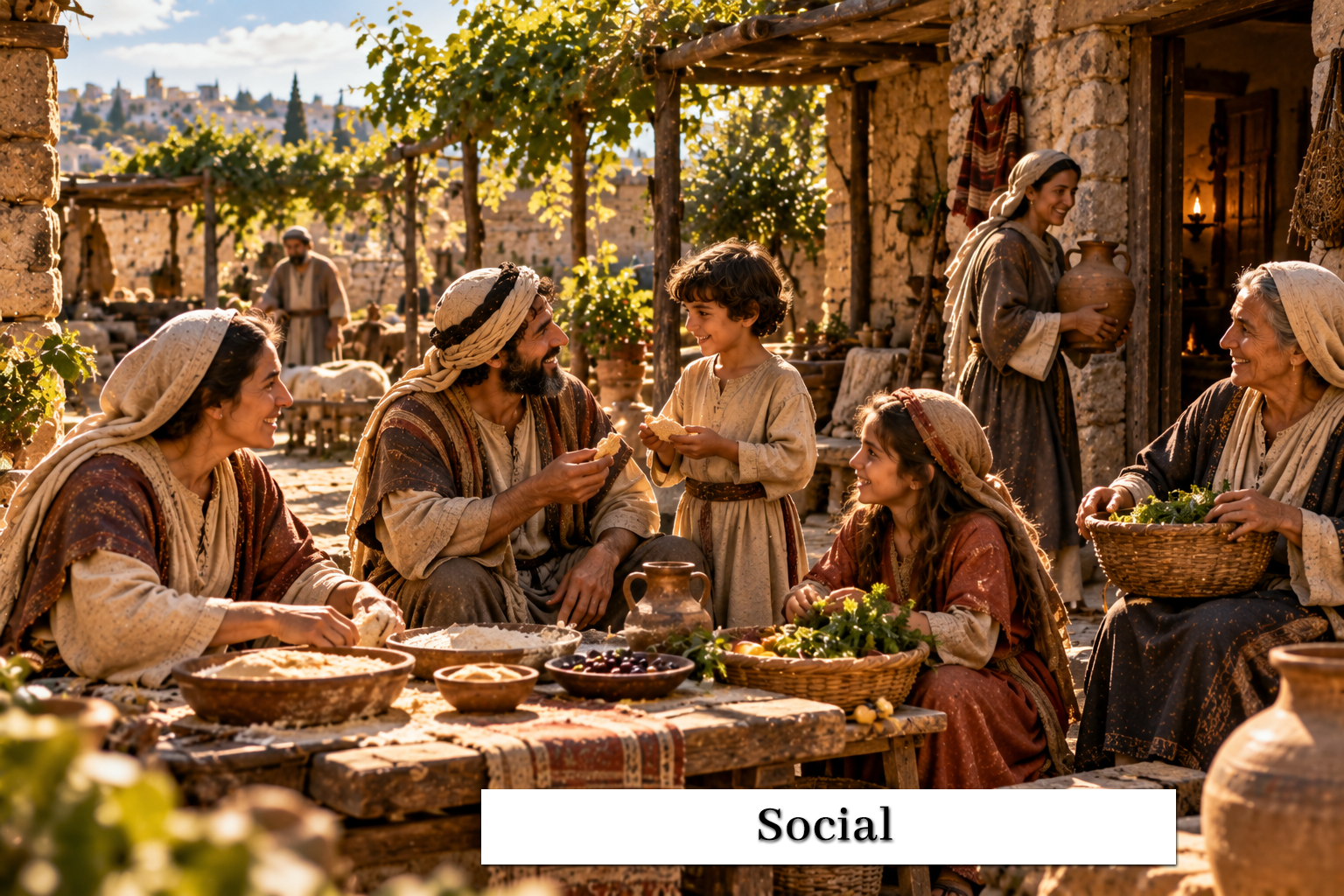
Turning the other cheek belongs to an ancient world in which a public blow could communicate humiliation and social insult as well as physical injury.
The Evil Eye
Language and Idiom
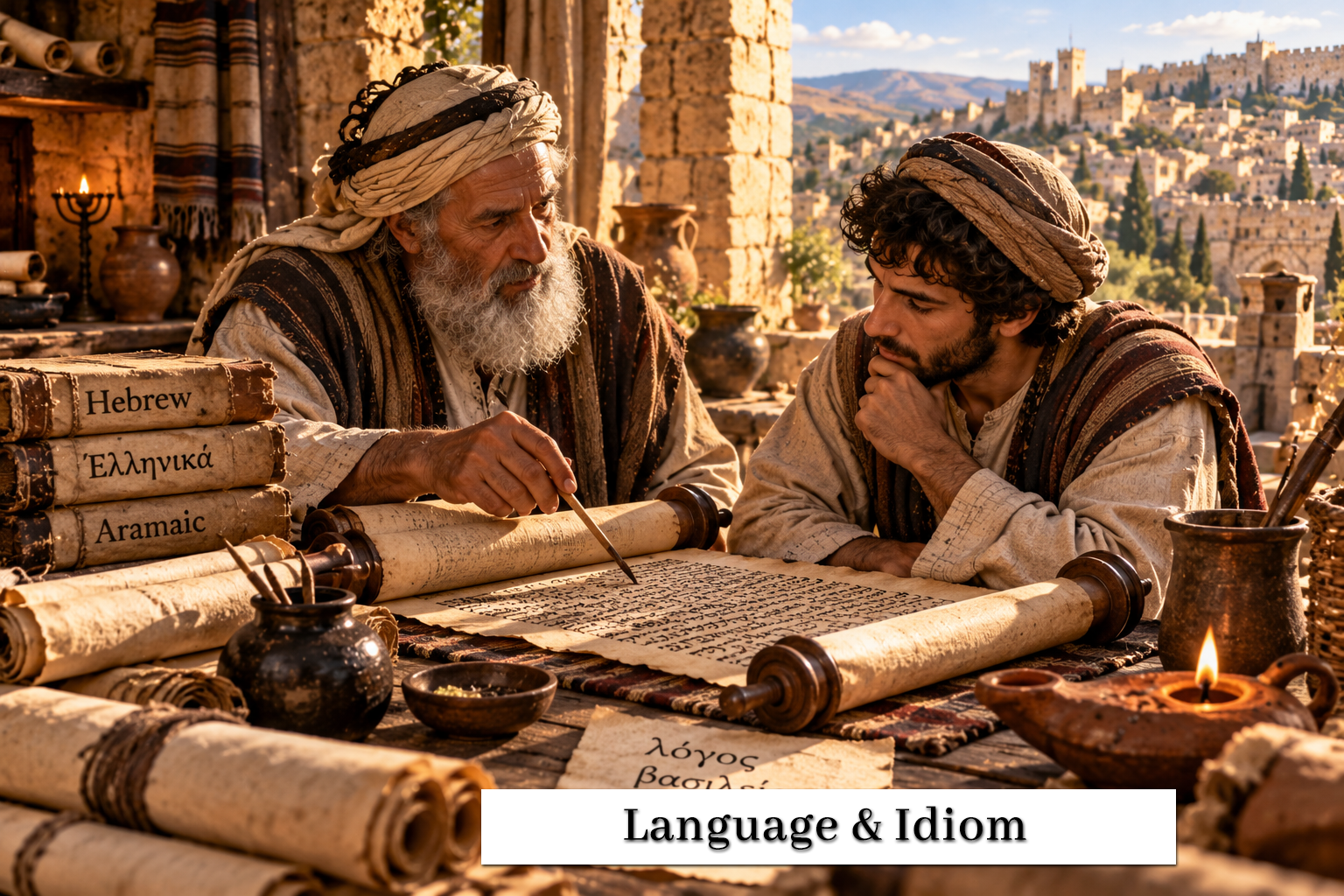
The biblical expression 'evil eye' commonly concerns envy, stinginess, or a begrudging attitude rather than a magical power emitted by someone's gaze.
God and Mammon
Language and Idiom
'Mammon' is not a surname for a pagan god; it is an Aramaic-derived term for wealth or possessions, which Jesus personifies as a rival master.
Leprosy, Cleansing, and the Priest
Religious Practice
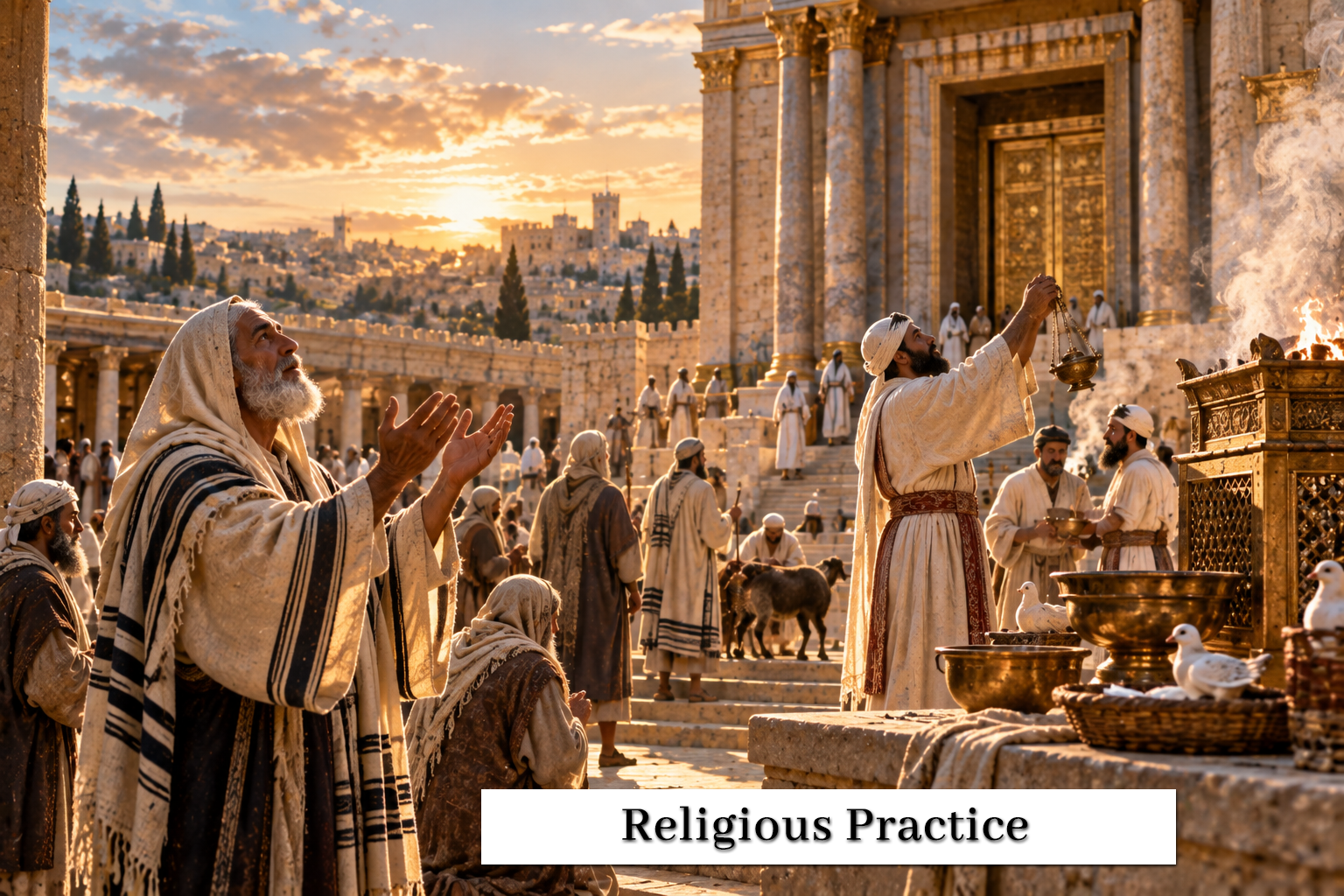
Jesus' instruction that a cleansed leper show himself to the priest reflects Torah procedures by which a person declared clean could be restored to ordinary religious and community life.
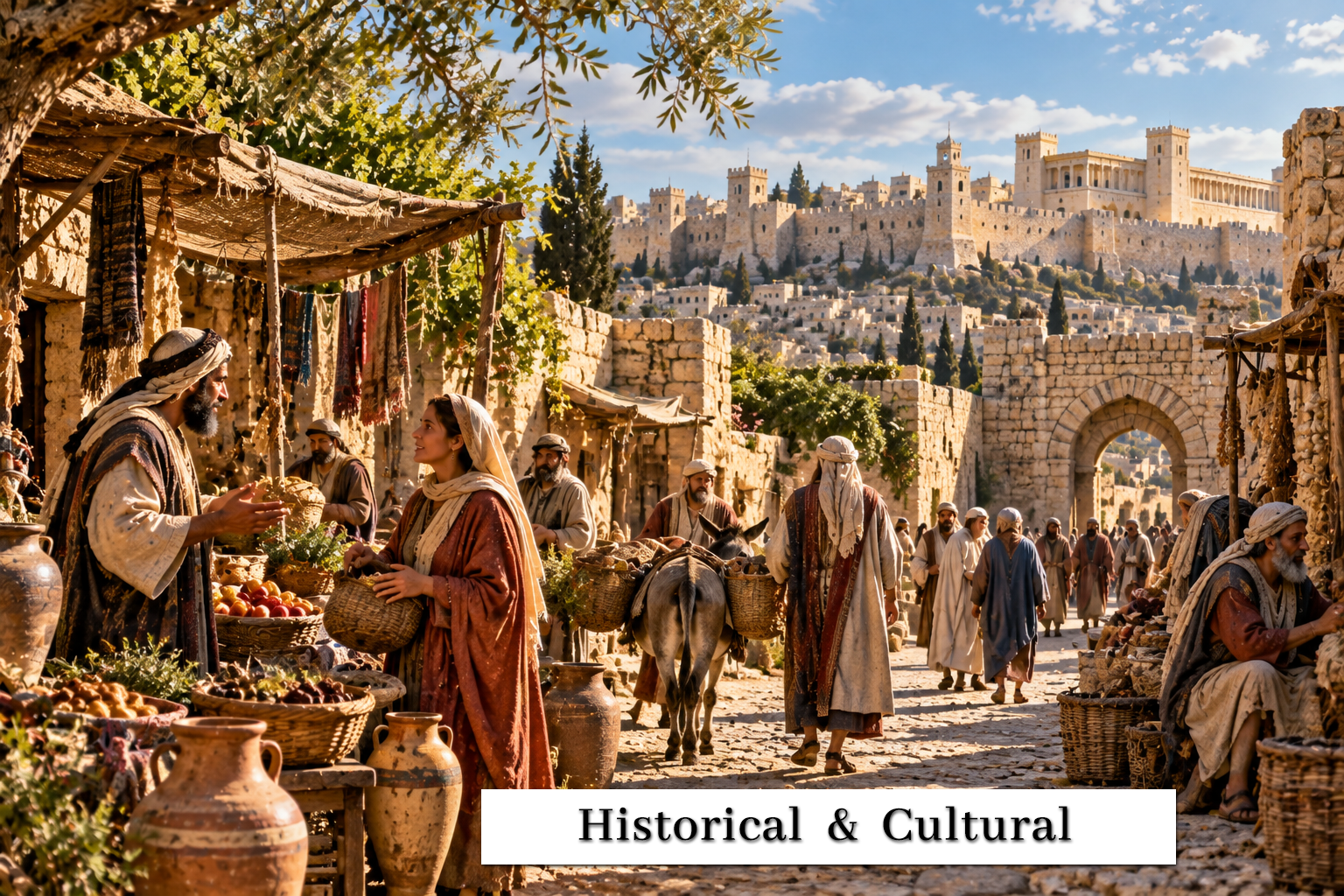
Tax Collectors and Their Reputation
Historical/Cultural Context
Tax collectors were associated with an unpopular revenue system and could be viewed as collaborators, exploiters, and socially disreputable people.
Reclining at Meals
Social Context
Formal meals were often eaten while reclining rather than sitting upright at a modern dining table, a custom that clarifies many Gospel meal scenes.
Shaking the Dust From the Feet
Social Context
Shaking dust from the feet was a visible symbolic gesture of separation and testimony, making Jesus' instruction to rejected messengers more forceful than simply walking away.
Sackcloth and Ashes
Historical/Cultural Context
Sackcloth and ashes were visible expressions of mourning, humiliation, or repentance, so Jesus' references to them evoke public acts rather than private feelings alone.
Take My Yoke Upon You
Language and Idiom
A yoke could symbolize submission, obligation, and the discipline of instruction, so Jesus' invitation to take his yoke is an invitation to become his learner under his authority.
Sabbath Practice and Controversy
Religious Practice
Jesus' Sabbath controversies take place within a Jewish debate over how the biblical command to rest should be applied to ordinary acts such as plucking grain, healing, and meeting human need.
Jewish Handwashing and Ritual Purity
Religious Practice
The handwashing dispute concerns inherited Jewish purity practice and religious tradition, not ordinary modern hygiene.
© 2026 AVisitWithJesus
"For God so loved the world, that he gave his only begotten Son,
that whosoever believeth in him should not perish, but have everlasting life."