
Jesus in Context

Sabbath Practice and Controversy

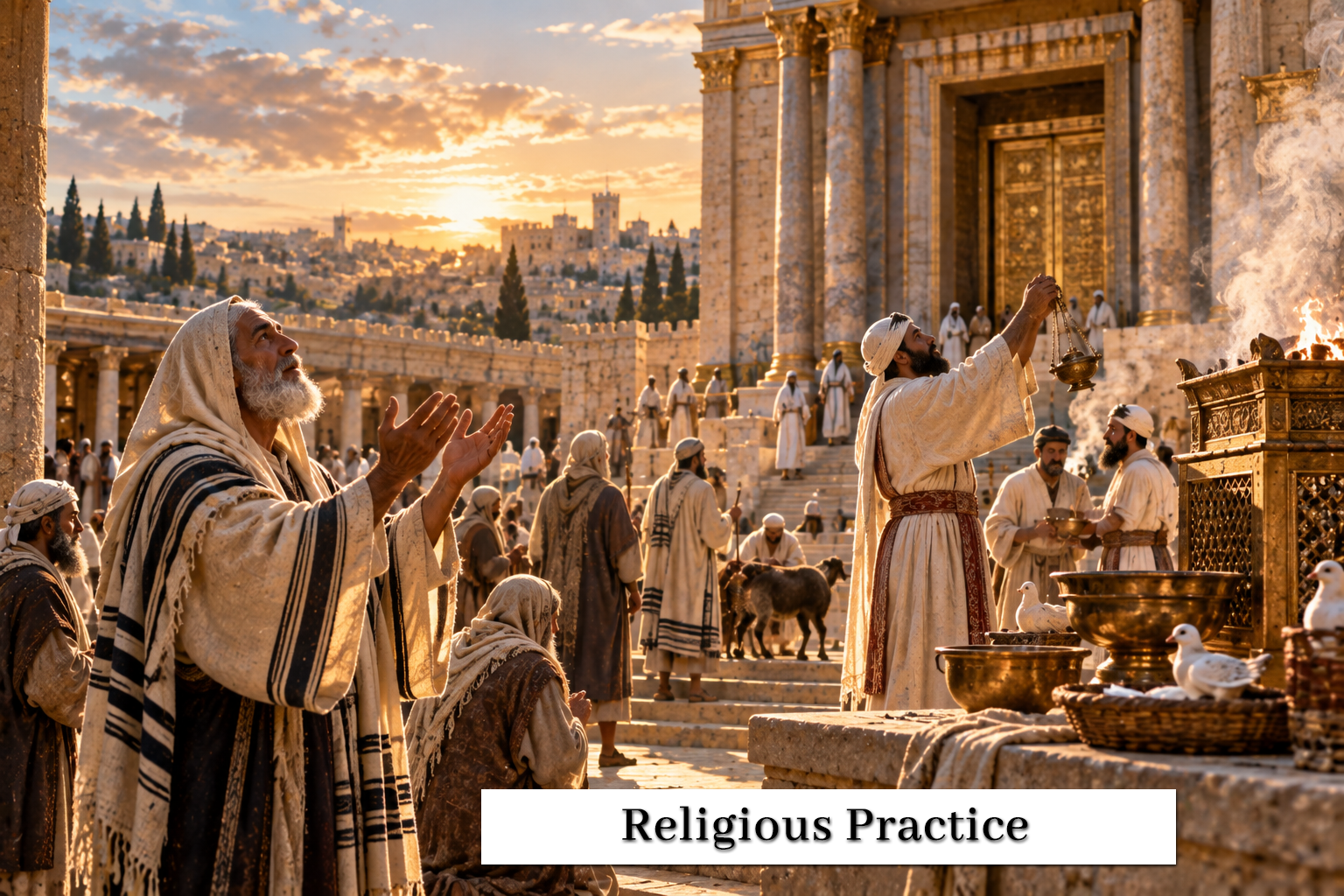
Religious Practice •  Matthew Mark Luke
A Visit With Jesus
Jesus' Sabbath controversies take place within a Jewish debate over how the biblical command to rest should be applied to ordinary acts such as plucking grain, healing, and meeting human need.
Religious Practice

Introduction

The Gospel Sabbath controversies are sometimes imagined as conflicts between Jesus and people who simply opposed compassion. The historical setting is more specific. Sabbath observance was a central Jewish practice rooted in Scripture, and practical questions naturally arose over what counted as prohibited work and what actions were appropriate on the holy day.

Jesus enters that living debate and argues from Scripture, human need, and his own authority.

Historical and Cultural Context

The Torah commands Sabbath rest, but applying that command to innumerable real-life situations required interpretation. Plucking heads of grain while passing through a field, healing, rescuing or caring for living creatures, and other acts could become points of dispute about the boundaries of work.

Jesus' appeal to David, priestly activity, mercy, and the purpose of the Sabbath shows that the controversy is interpretive, not a rejection of the Sabbath's scriptural origin. Later rabbinic discussions illuminate the seriousness with which Sabbath boundaries were treated, though later codifications should not simply be projected backward as a complete rulebook for Jesus' day.

Why It Matters

This context makes the disputes more intelligible and prevents caricaturing Judaism as a religion in which compassion was forbidden. The arguments concern how faithfulness to God's command should be understood and practiced.

At the same time, Jesus' responses are not merely technical rulings. He places mercy and human need at the center of interpretation and, in the Gospel presentation, makes striking claims about his own authority in relation to the Sabbath.

Scripture References

Related Customs