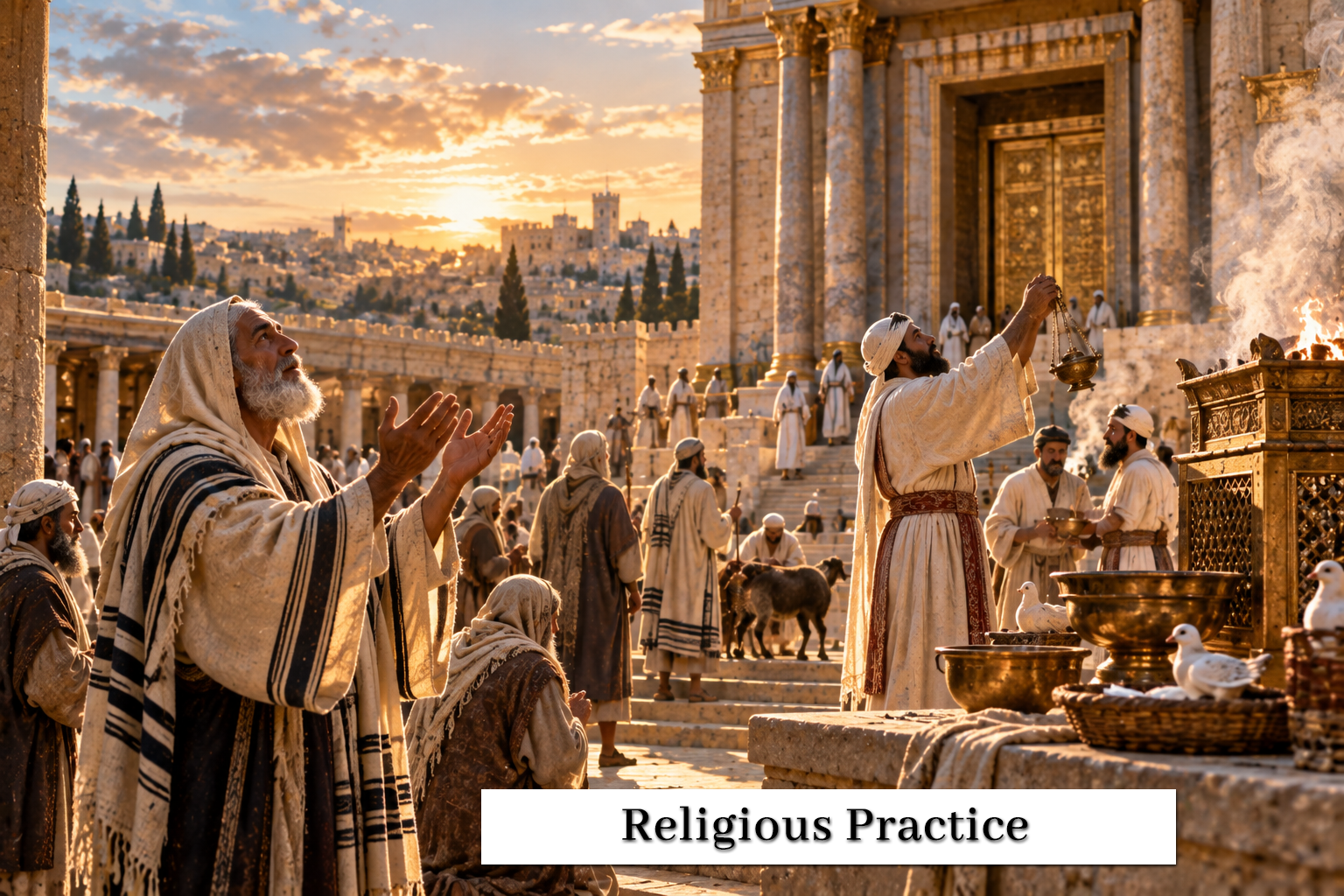
Corban and Family Obligation
Religious Practice
'Corban' referred to something dedicated to God; Jesus criticizes the use of a religious dedication in a way that nullified the obligation to honor and support one's parents.

Corban and Family Obligation
Religious Practice
'Corban' referred to something dedicated to God; Jesus criticizes the use of a religious dedication in a way that nullified the obligation to honor and support one's parents.
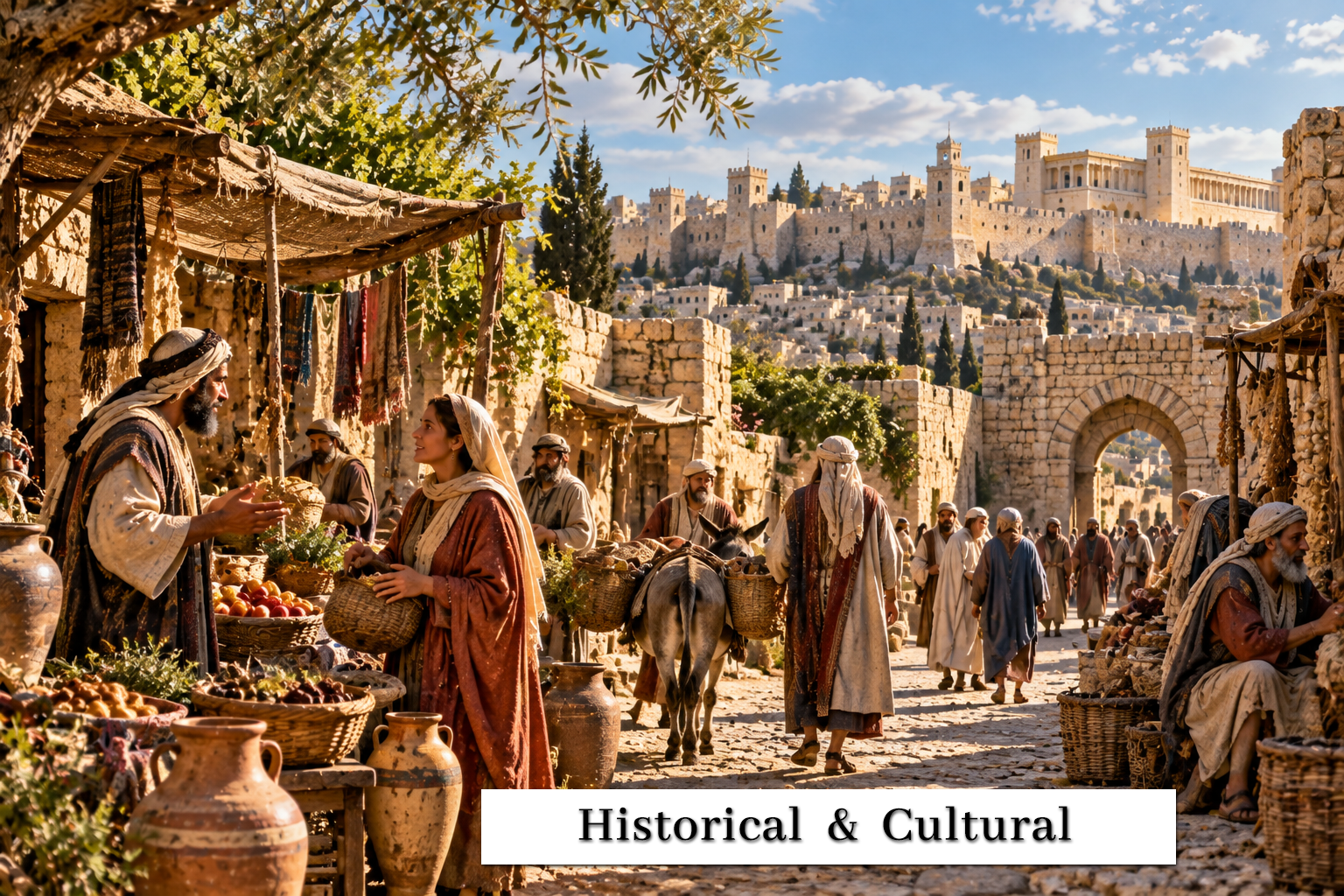
The Canaanite Woman and Jewish-Gentile Boundaries
Historical/Cultural Context
The encounter with the Canaanite woman is shaped by Jewish-Gentile boundaries and by the historical weight carried by Matthew's deliberately ancient label 'Canaanite.'
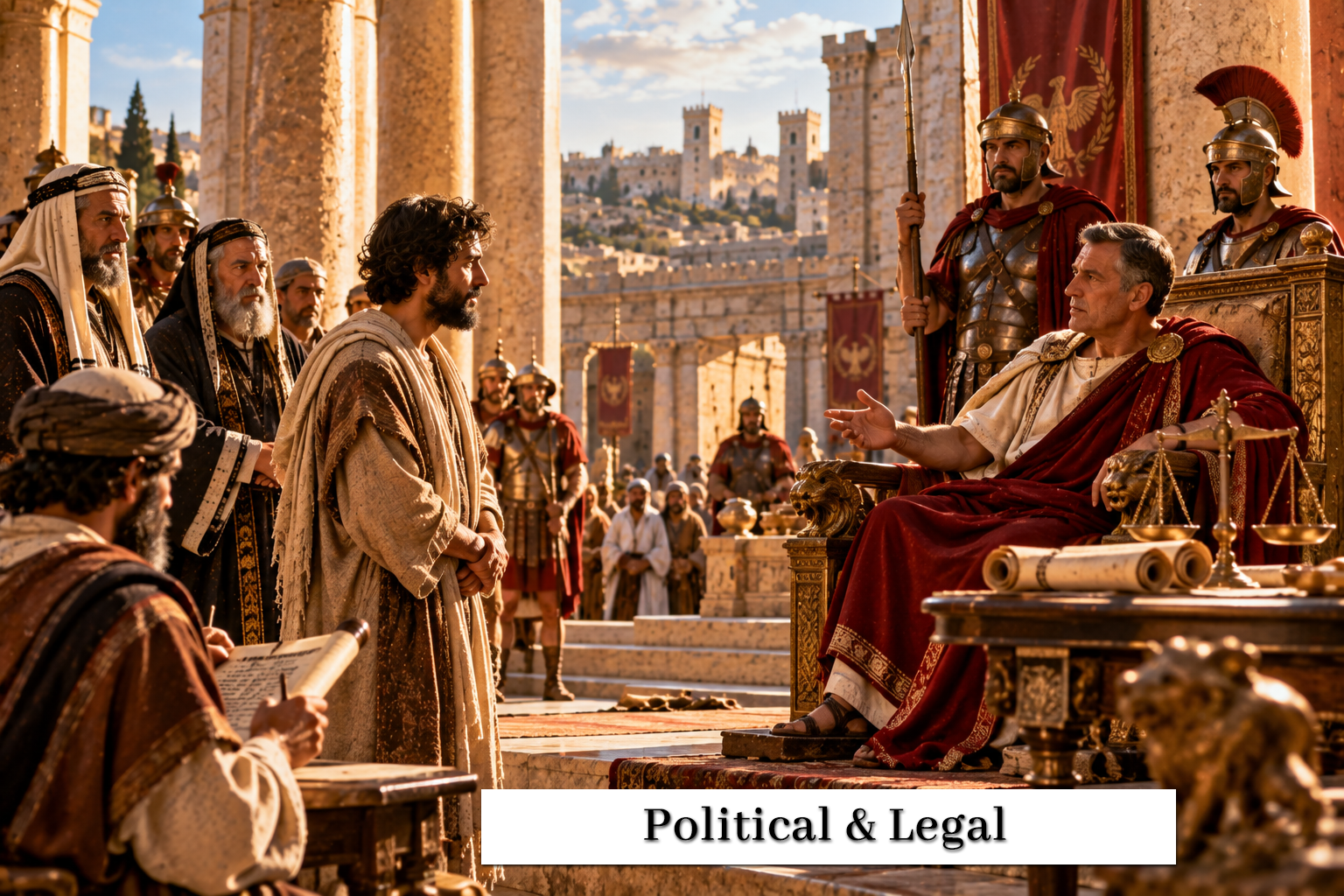
The Two-Drachma Temple Tax
Political/Legal Context
The two-drachma payment in Matthew 17 reflects the Jewish contribution associated with the Temple, not a Roman imperial tax.
Bridesmaids Waiting for the Bridegroom
Historical/Cultural Context
The parable of the ten bridesmaids draws on wedding celebration, nighttime waiting, lamps, and the uncertain arrival of the bridegroom to make readiness concrete.
Animals and Money Changers at the Temple
Religious Practice
Animals and money changers at the Jerusalem Temple were connected with sacrifice, pilgrimage, and Temple payments, which makes Jesus' disruption of the commerce more significant than a protest against ordinary shopping.

Thirty Pieces of Silver
Material Culture
Thirty pieces of silver were the agreed payment for Judas' betrayal of Jesus, an amount that also carries scriptural resonance within Matthew's account.
Roman Crucifixion
Political/Legal Context
Crucifixion was a Roman public execution designed not only to kill but also to expose, humiliate, and warn; that social and political setting is essential to understanding the scandal of a crucified Messiah.
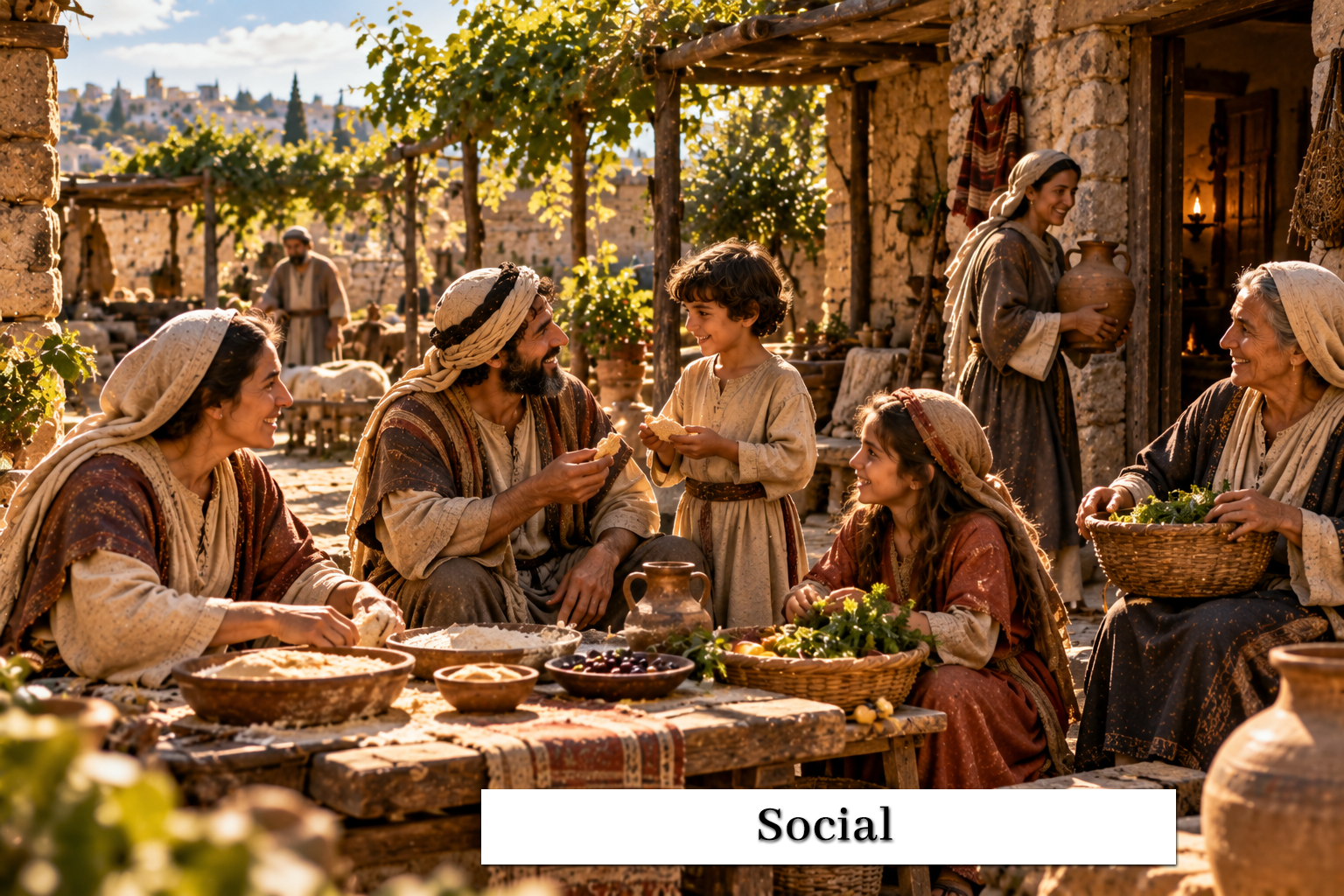
Foot Washing in the First Century
Social Context
Foot washing was a practical act of hospitality in a world of dusty roads and sandals, but performing it was low-status service; Jesus' decision to wash his disciples' feet deliberately reverses expected rank.
A Prophet Without Honor
Social Context
Jesus' saying that a prophet lacks honor in his own country reflects an honor-conscious society in which familiarity, family identity, and local status shaped how a teacher was received.
Herod Antipas and His Court
Political/Legal Context
Herod Antipas was a Roman-backed ruler of Galilee whose household, marriage, banquet culture, and political power form the setting for John the Baptist's imprisonment and death.
Fringes on Jewish Garments
Religious Practice
The fringes or tassels mentioned in the Gospels reflect a Torah command that Israel wear visible reminders of God's commandments.
Caesarea Philippi
Historical/Cultural Context
Caesarea Philippi lay in the far north of the region and carried associations with imperial power and pagan worship, providing a striking setting for Peter's confession of Jesus.
© 2026 AVisitWithJesus
"For God so loved the world, that he gave his only begotten Son,
that whosoever believeth in him should not perish, but have everlasting life."