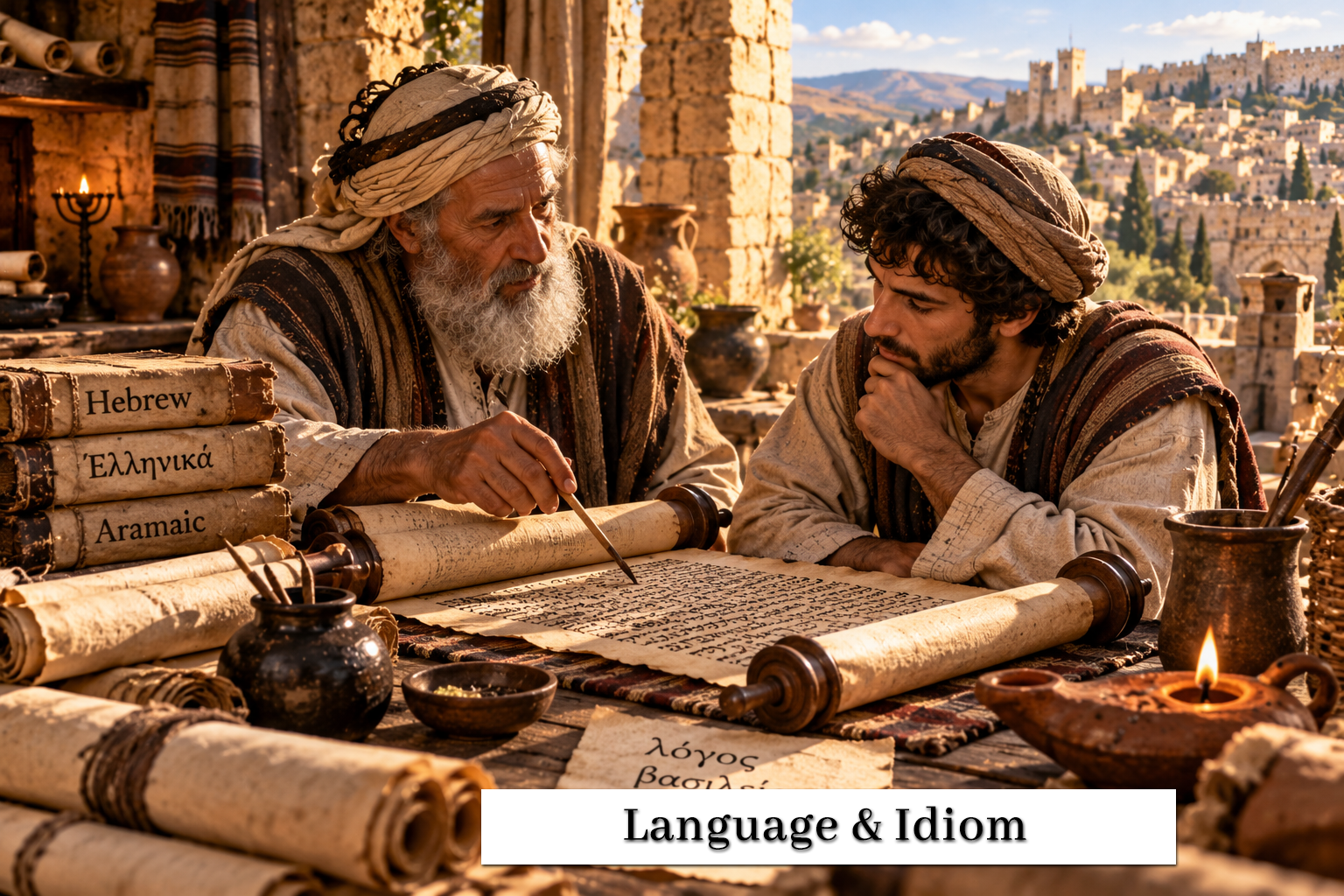
Christ Means Messiah
Language and Idiom
'Christ' is a title, not Jesus' surname: Greek Christos corresponds to Hebrew/Aramaic Messiah and means the Anointed One.

Christ Means Messiah
Language and Idiom
'Christ' is a title, not Jesus' surname: Greek Christos corresponds to Hebrew/Aramaic Messiah and means the Anointed One.
Peter, the Rock, and the Wordplay
Language and Idiom
Jesus' naming of Peter and his saying about 'this rock' contain an intentional wordplay that is clearer when the Greek name Petros and the related word petra are heard together.
What Did Ekklesia Mean?
Language and Idiom
The Greek word translated 'church' means an assembly or gathered community; in Matthew it describes the community Jesus says he will build.
The Gates of Hades
Language and Idiom
In Jesus' saying about the gates of Hades, Hades refers to the realm of the dead; the image is about death's power, not demons attacking from a set of literal gates.
Binding and Loosing
Language and Idiom
'Binding' and 'loosing' were Jewish expressions associated with forbidding and permitting and, more broadly, with authoritative decisions.
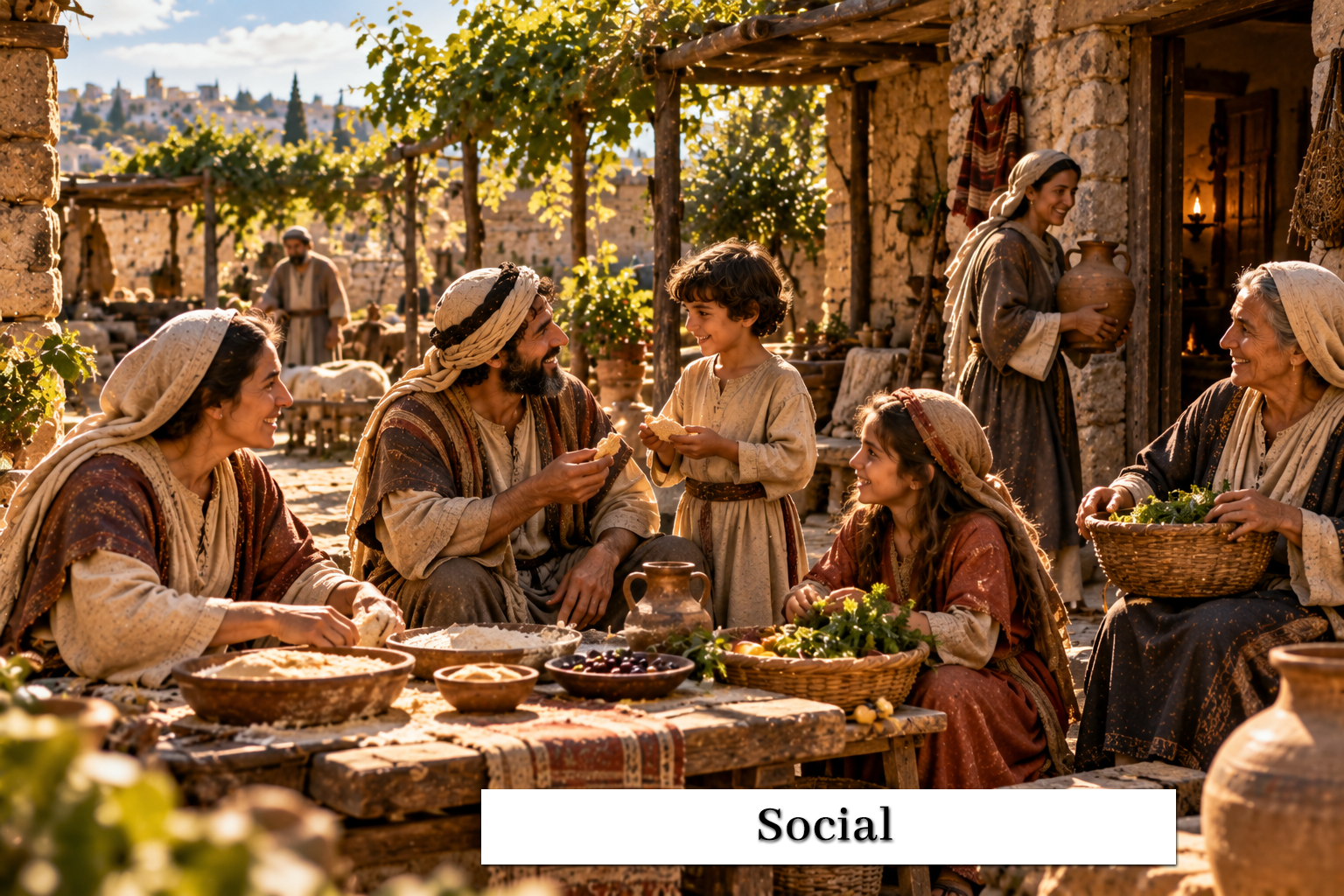
Children and Social Status in the Ancient World
Social Context
Children were loved within ancient families but possessed far less social rank, independence, and legal power than modern Western culture often assigns them.
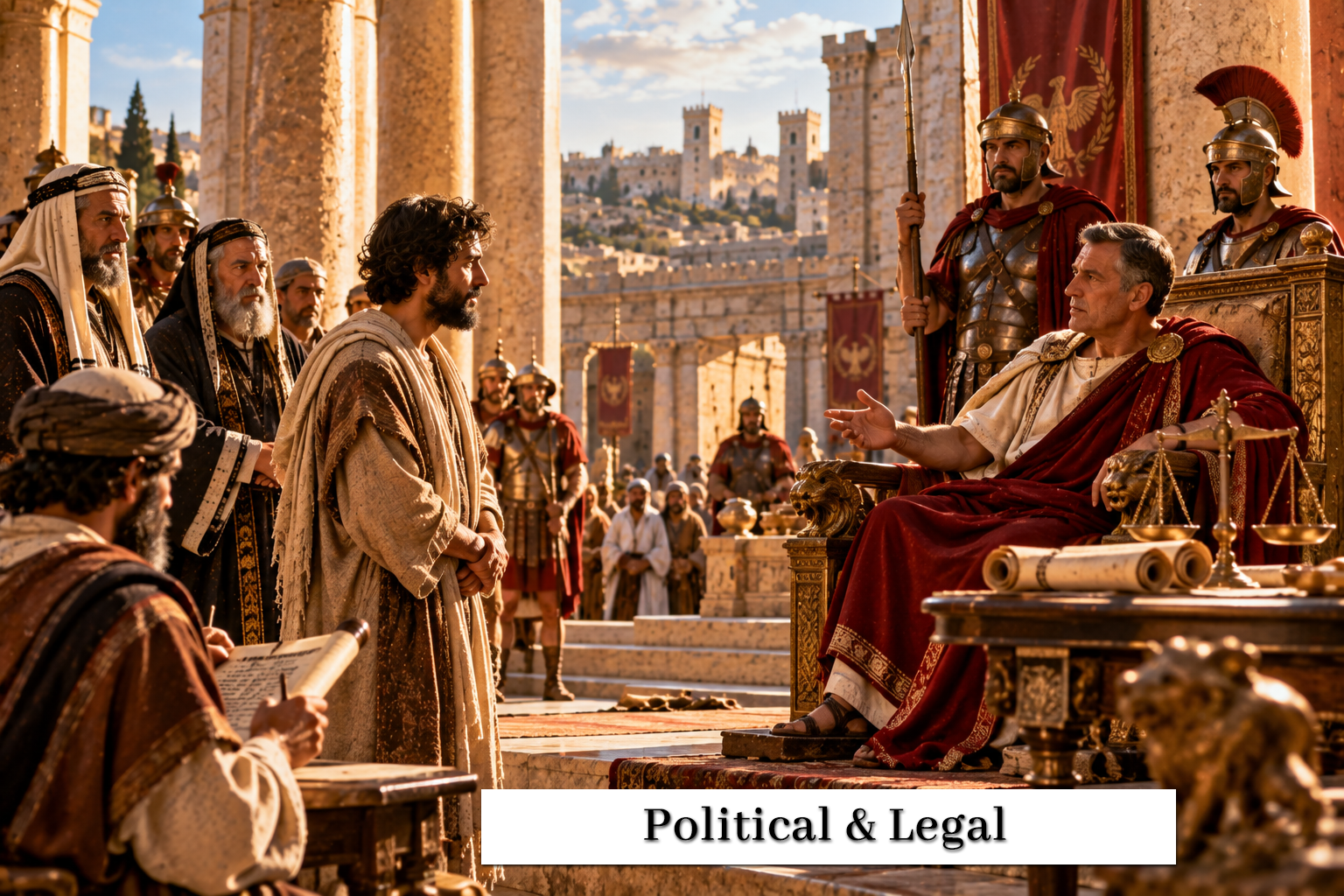
Witnesses and Community Discipline
Political/Legal Context
Jesus' instruction to take 'one or two more' in a dispute echoes the Torah's requirement that serious matters be established by multiple witnesses.
Seventy-Seven Times
Language and Idiom
Jesus' answer about forgiving 'seventy-seven' or 'seventy times seven' uses an intentionally extravagant number to reject keeping a ledger of forgiveness.
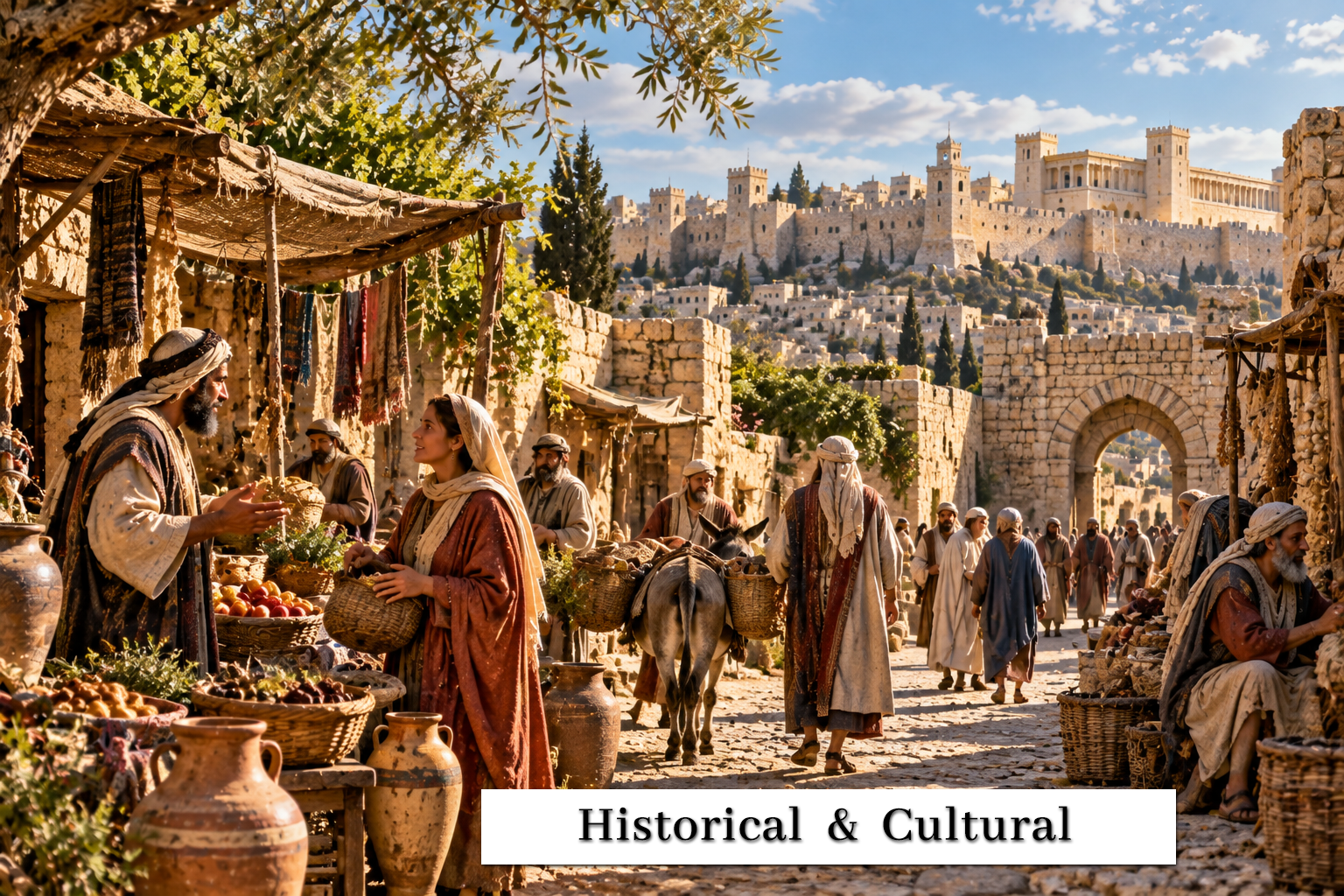
Debt, Slavery, and the Unforgiving Servant
Historical/Cultural Context
The parable of the unforgiving servant uses royal accounting, enormous debt, debt enforcement, slavery, and imprisonment to portray an obligation that the servant could never realistically repay.
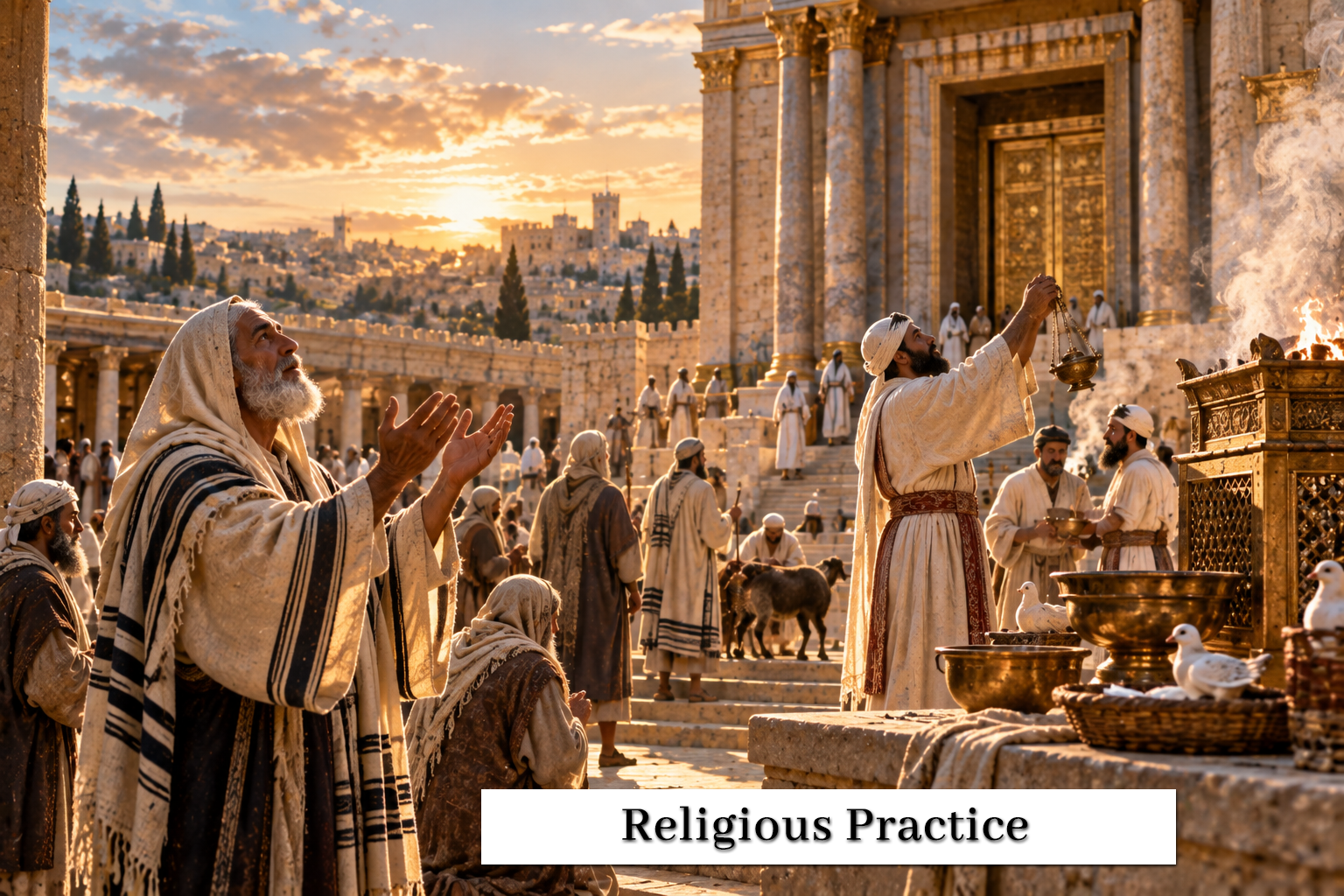
Divorce in First-Century Judaism
Religious Practice
Jesus' teaching on divorce enters a Jewish debate rooted in Deuteronomy 24 and competing interpretations of the grounds on which a husband might dismiss his wife.
Eunuchs in the Ancient World
Historical/Cultural Context
Eunuchs were known figures in the ancient world, especially in royal and administrative settings; Jesus also uses the term figuratively for those who renounce marriage for the kingdom.
Wealth and the Rich Young Ruler
Historical/Cultural Context
The rich ruler's possessions represented security, status, and social standing, making Jesus' command to sell and give to the poor a profound reversal rather than a minor charitable adjustment.
© 2026 AVisitWithJesus
"For God so loved the world, that he gave his only begotten Son,
that whosoever believeth in him should not perish, but have everlasting life."