
Jesus in Context

Children and Social Status in the Ancient World

Social Context •  Matthew Mark Luke
A Visit With Jesus
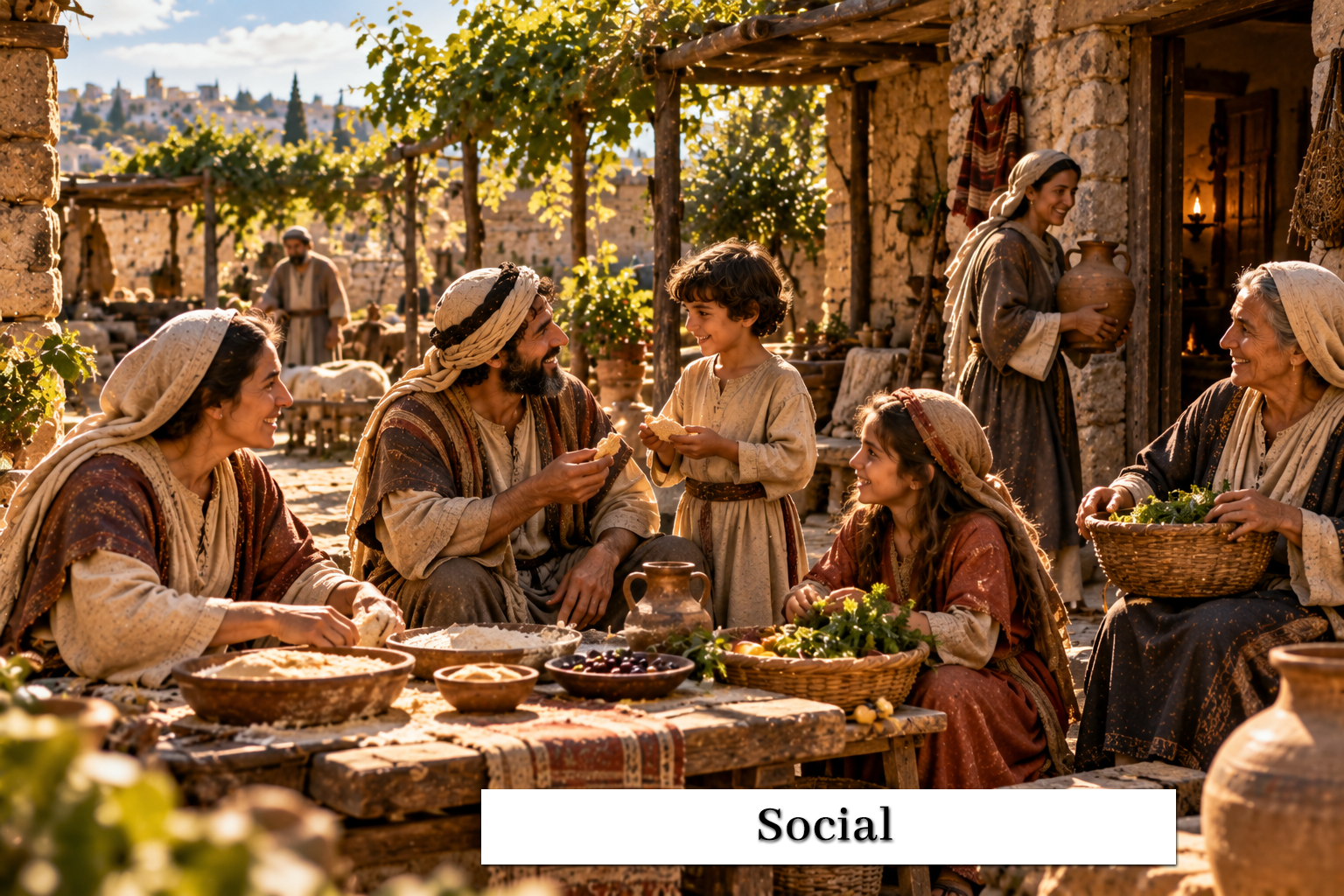
Children were loved within ancient families but possessed far less social rank, independence, and legal power than modern Western culture often assigns them.
Social Context

Introduction

Jesus' use of a child as an example can be softened when modern readers instinctively associate children with innocence, charm, or social centrality. Ancient children certainly could be loved deeply, but they occupied a dependent and low-status position within the household.

That social reality gives added force to Jesus' teaching about receiving the kingdom, humility, and welcoming those who lack rank.

Historical and Cultural Context

Ancient Mediterranean households were strongly hierarchical. Children depended upon parents and household heads and did not possess the autonomy, public standing, or legal agency associated with mature men. Childhood was therefore a natural image of dependence and limited status.

This does not mean ancient parents lacked affection for children, nor does every Gospel child symbolize exactly the same thing. In passages about greatness and receiving a child, however, low social standing is an important part of the scene.

Why It Matters

The context redirects the reader from sentimentalizing Jesus' action. Placing a child in the midst of status-conscious disciples makes the child a living challenge to ordinary rankings of importance.

Welcoming the low-status person in Jesus' name and becoming humble like a child confront the pursuit of prestige. Greatness in Jesus' community is measured differently from greatness in the surrounding social order.

Scripture References