Straining Out a Gnat and Swallowing a Camel
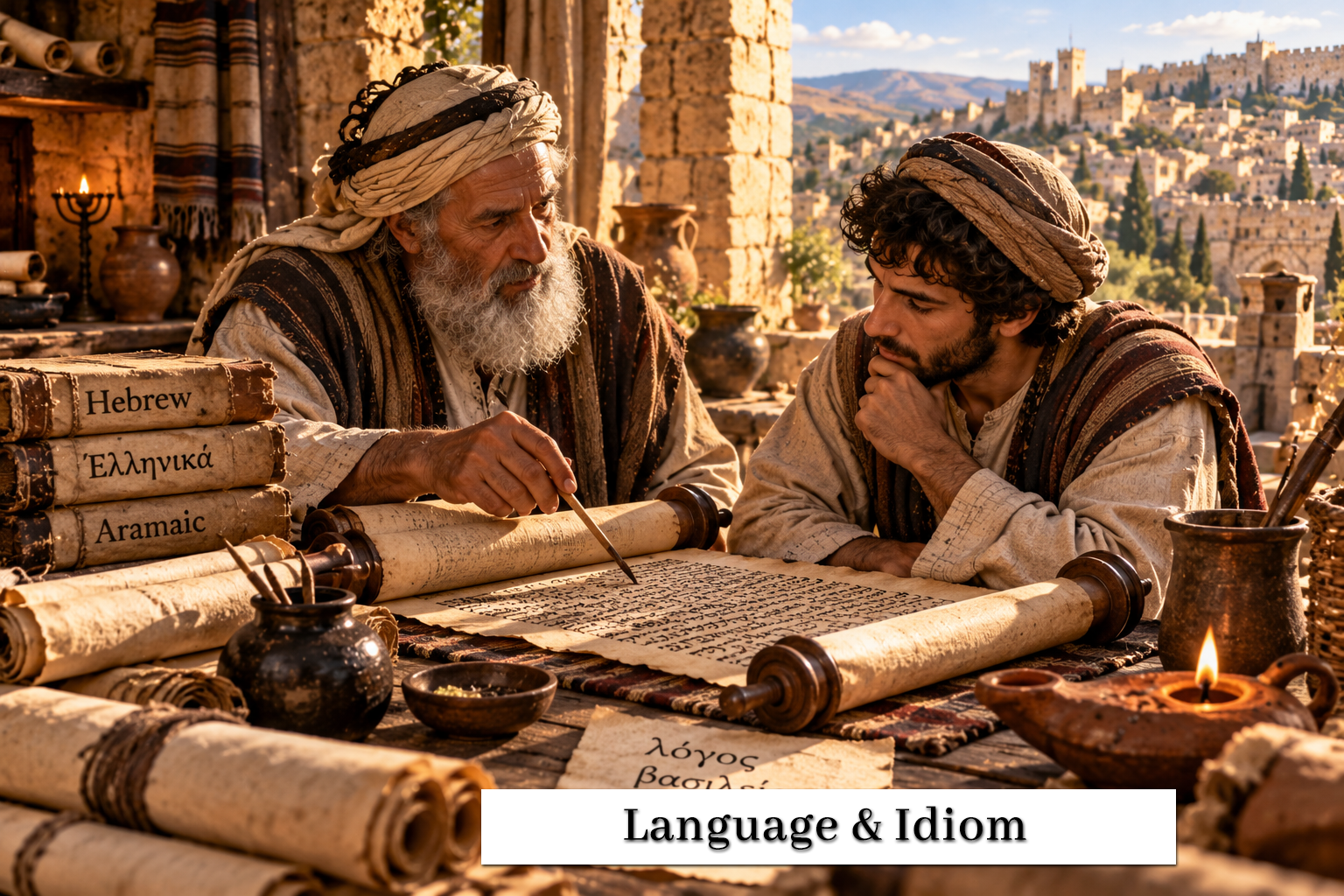
Language and Idiom
Jesus' picture of straining out a tiny gnat while swallowing a camel combines purity concerns with deliberate comic exaggeration.

Straining Out a Gnat and Swallowing a Camel
Language and Idiom
Jesus' picture of straining out a tiny gnat while swallowing a camel combines purity concerns with deliberate comic exaggeration.
Whitewashed Tombs
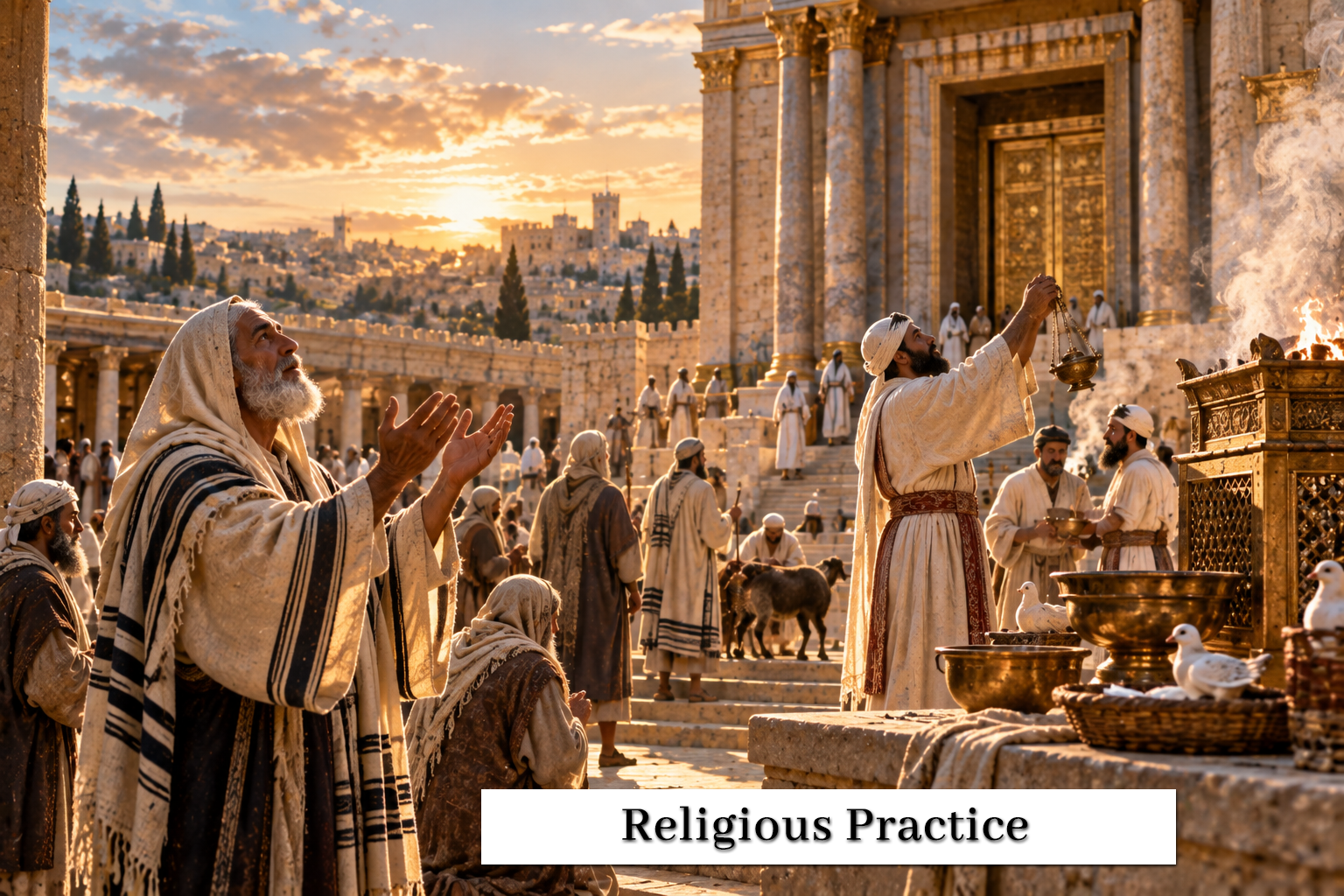
Religious Practice
Whitewashed tombs provide Jesus with a vivid purity image: an attractive exterior can conceal death and uncleanness within.
The Temple Stones and Jesus' Prediction of Destruction
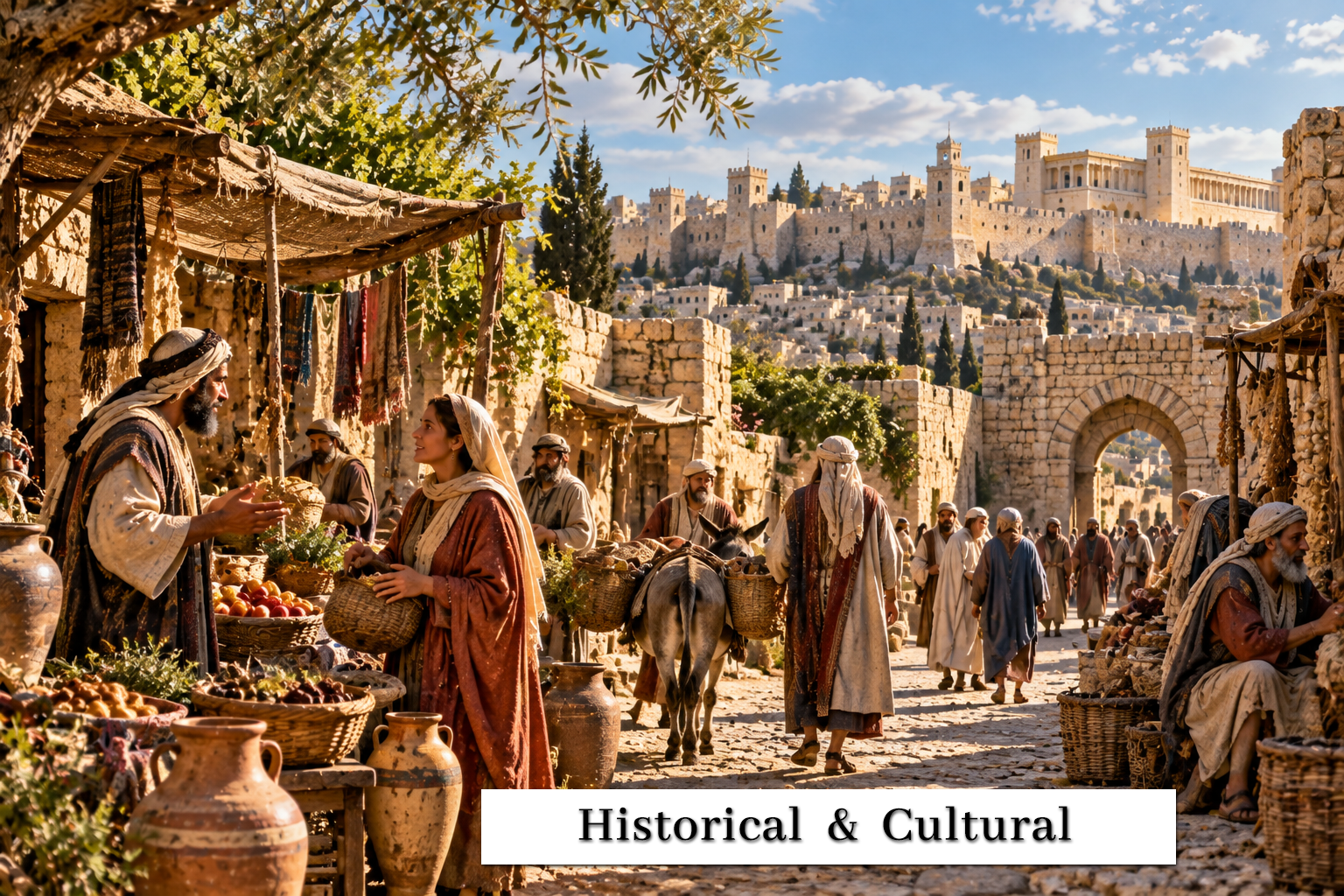
Historical/Cultural Context
Herod's Jerusalem Temple complex was monumental, making Jesus' prediction that its magnificent stones would be thrown down extraordinarily severe.
Talents: An Enormous Sum of Money
Commerce and Money
In Jesus' parable, a talent is a very large unit of money, not a personal ability; the servants are entrusted with substantial wealth and expected to act responsibly with it.
Separating Sheep From Goats
Shepherding
Sheep and goats commonly grazed together but could be separated by a shepherd, giving Jesus a familiar pastoral image for the final division in Matthew 25.
Preparing the Passover Meal
Religious Practice
Preparing Passover involved arranging a festival meal rooted in Israel's Exodus story, with Jerusalem and the Temple forming the setting for first-century observance.
Dipping Into the Common Dish
Food and Dining
Sharing food from common dishes was normal at ancient meals, making the hand-in-the-dish language at the Last Supper an intimate table detail rather than a strange ritual.
Singing a Hymn After the Meal
Religious Practice
The hymn sung before Jesus and the disciples went to the Mount of Olives fits Passover worship, in which psalms of praise were associated with the festival meal.
Gethsemane and the Oil Press
Geography
The name Gethsemane is commonly understood as 'oil press,' fitting an olive-growing landscape on or near the Mount of Olives.
Betrayal With a Kiss
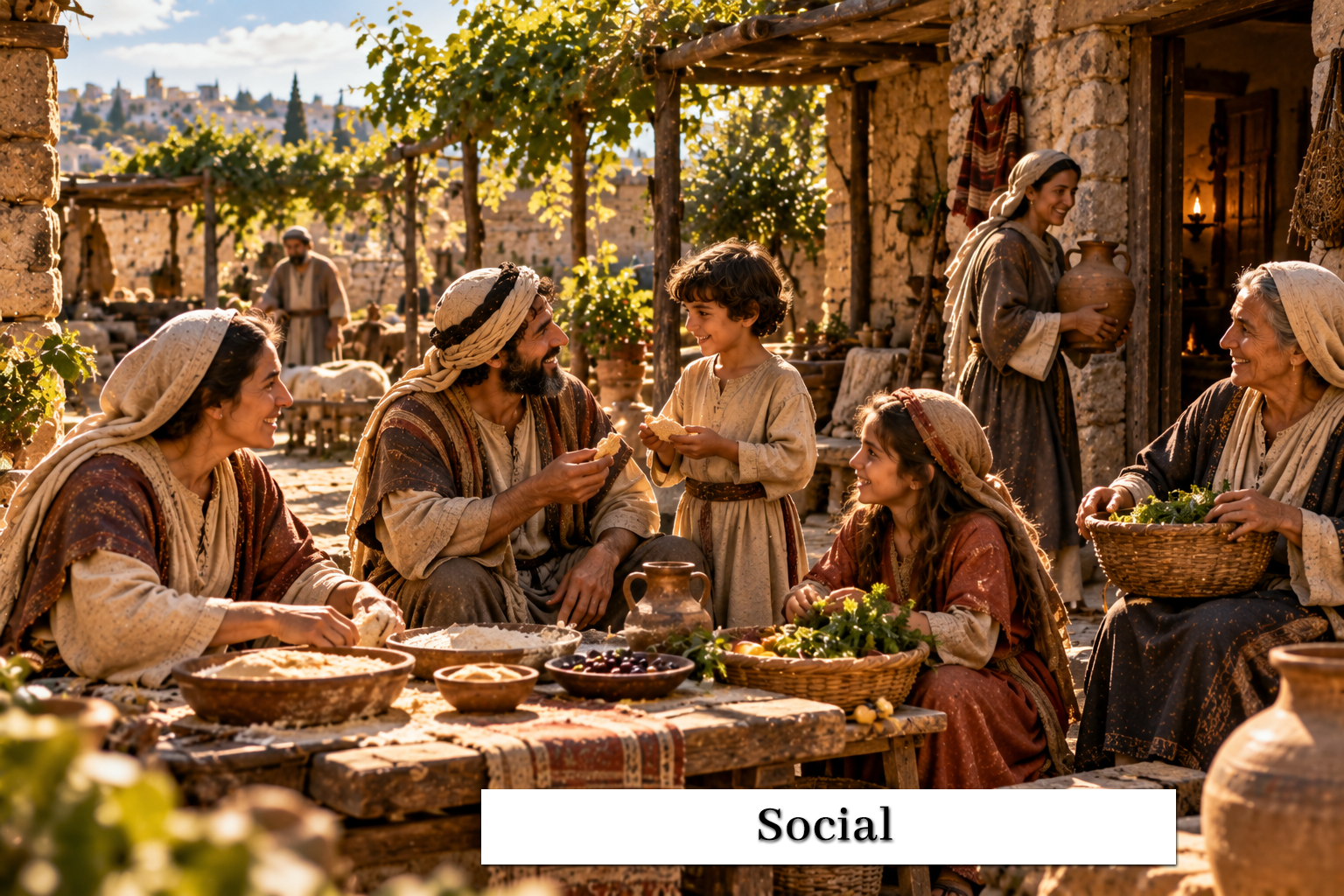
Social Context
A kiss was an ordinary sign of greeting, affection, and respect, which makes Judas' use of it as the identifying signal for Jesus an act of pointed betrayal.

Two Witnesses and Jewish Legal Testimony
Political/Legal Context
The effort to obtain agreeing witnesses against Jesus reflects the Torah principle that serious charges required testimony from more than one witness.
The High Priest Tears His Garments
Religious Practice
The high priest's tearing of his garments is a dramatic public response to what he declares blasphemy, drawing on an ancient gesture of grief, horror, and outrage.
© 2026 AVisitWithJesus
"For God so loved the world, that he gave his only begotten Son,
that whosoever believeth in him should not perish, but have everlasting life."