
Jesus in Context

Whitewashed Tombs

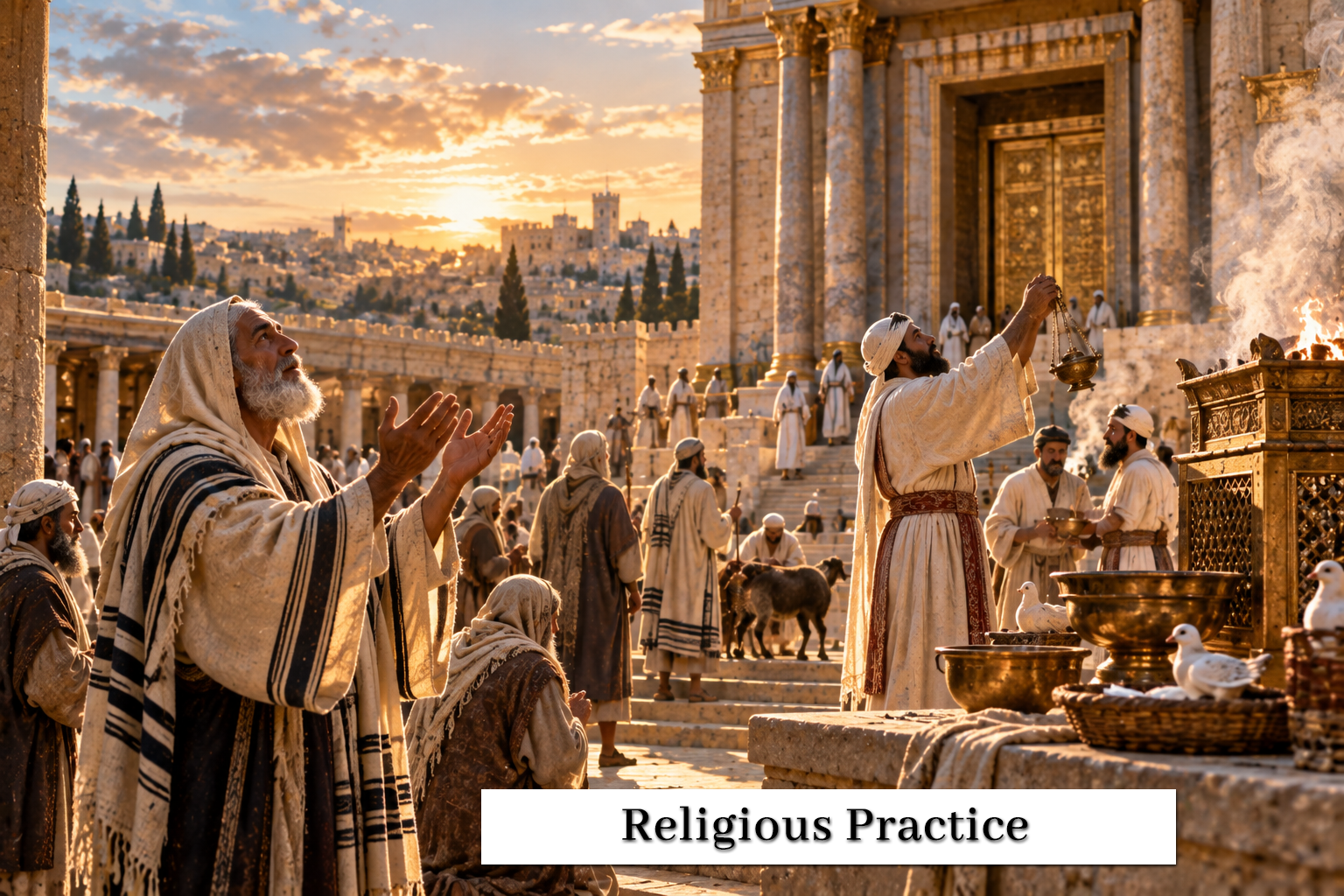
Religious Practice •  Matthew
A Visit With Jesus
Whitewashed tombs provide Jesus with a vivid purity image: an attractive exterior can conceal death and uncleanness within.
Religious Practice

Introduction

Jesus calls certain religious leaders 'whitewashed tombs,' beautiful outwardly but full of dead men's bones. The metaphor draws its force from Jewish concern about contact with death and from the visible treatment of burial places.

It is an image of dangerous contrast between appearance and reality.

Historical and Cultural Context

Contact with a corpse brought ritual impurity under Numbers 19, making graves religiously significant as well as emotionally significant places. Jewish burial areas and tombs therefore belonged to a purity-conscious landscape.

Matthew's image of whitening or whitewashing tombs emphasizes their outward appearance and visibility. Later explanations sometimes connect whitening specifically with marking graves before pilgrimage festivals; the broader point securely present in the saying is the contrast between a clean-looking exterior and death within.

Why It Matters

The cultural background makes the metaphor sharper than simply saying that someone looks better on the outside than inside. A tomb can appear clean and impressive while containing precisely what renders a person unclean.

Jesus applies that contradiction to hypocrisy: public righteousness can conceal corruption. The warning concerns the gulf between visible religious reputation and the inner reality known to God.

Scripture References