Simon of Cyrene and Carrying the Cross
Political/Legal Context
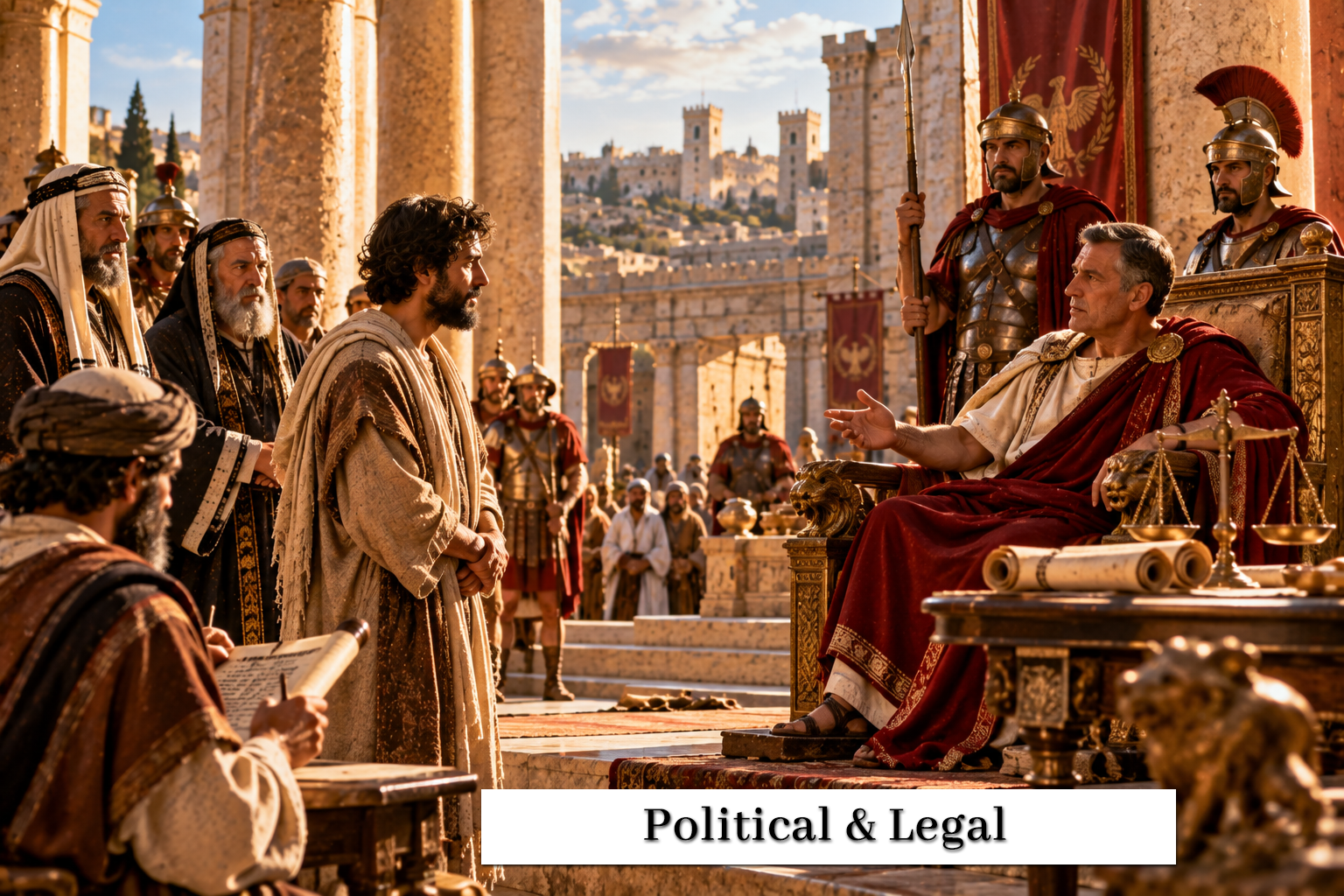
Roman soldiers could compel civilians into service, helping explain how Simon of Cyrene could be seized from the roadside and forced to carry Jesus' cross.

Simon of Cyrene and Carrying the Cross
Political/Legal Context
Roman soldiers could compel civilians into service, helping explain how Simon of Cyrene could be seized from the roadside and forced to carry Jesus' cross.
Burial Before the Sabbath
Religious Practice
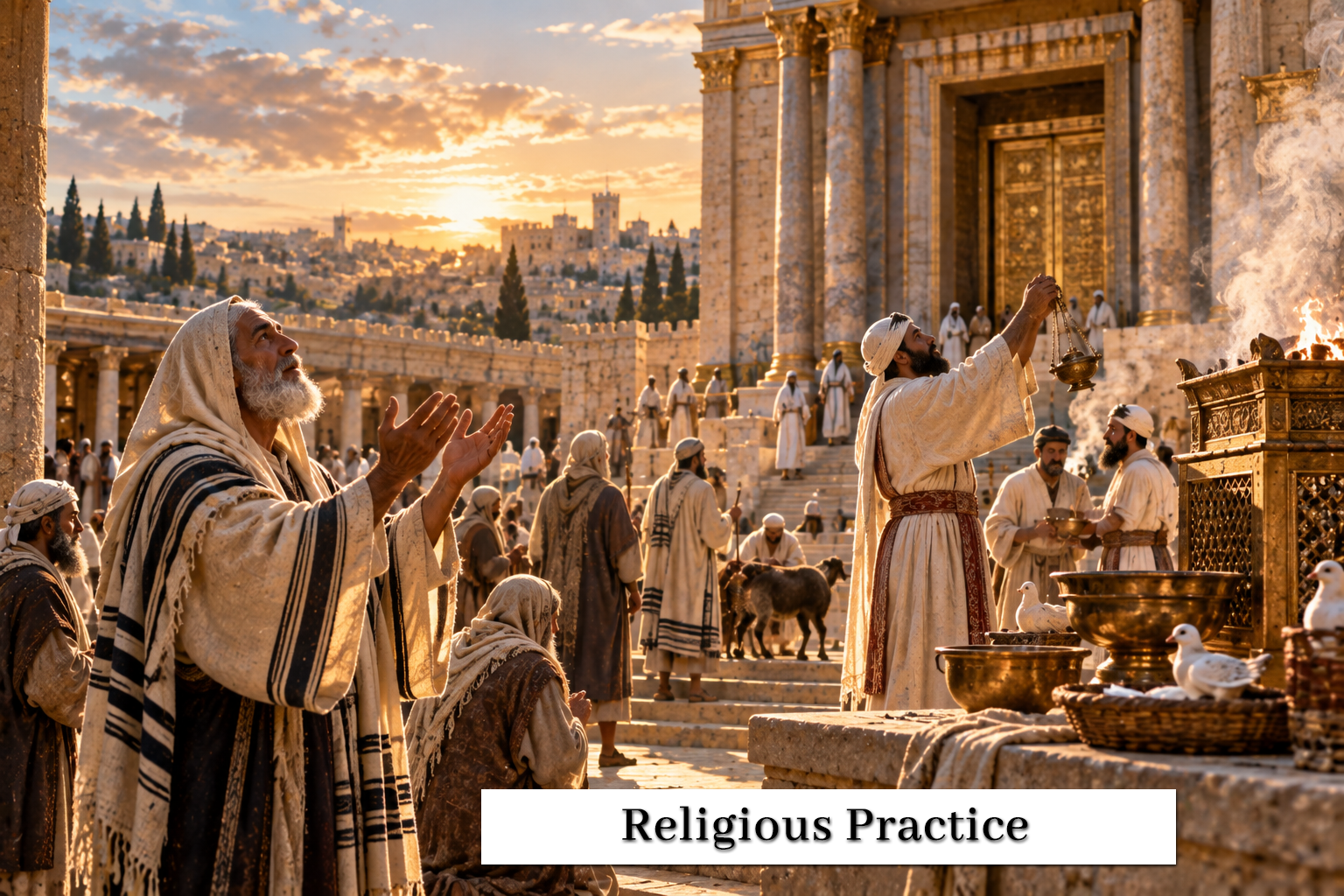
Jewish burial normally proceeded quickly, and the approach of the Sabbath created special urgency after Jesus' death.
Joseph of Arimathea and a Rock-Cut Tomb
Material Culture
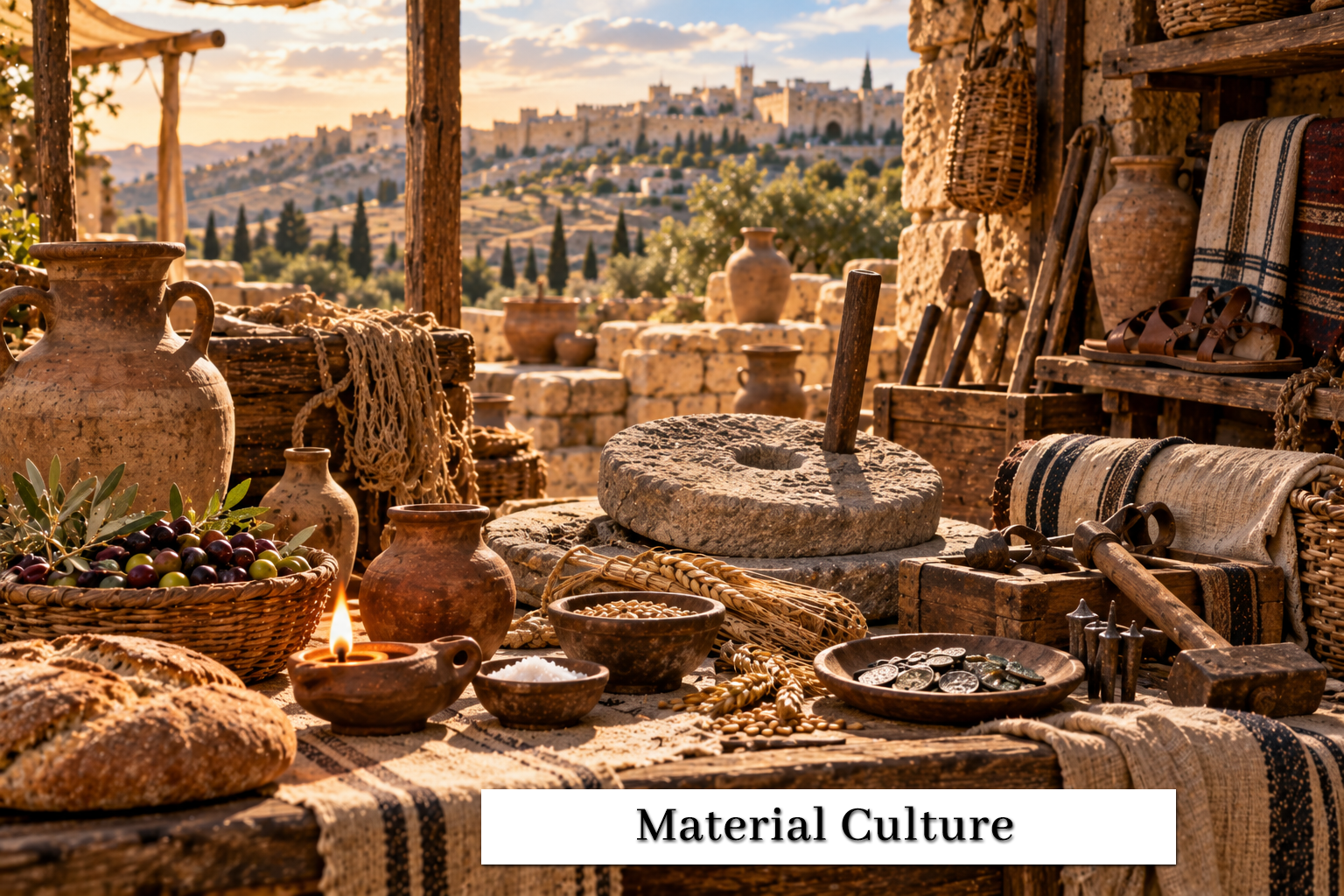
Jesus is placed in a new rock-cut tomb associated with Joseph of Arimathea, a burial setting that reflects substantial investment and the limestone landscape around Jerusalem.
Abba, Father
Language and Idiom
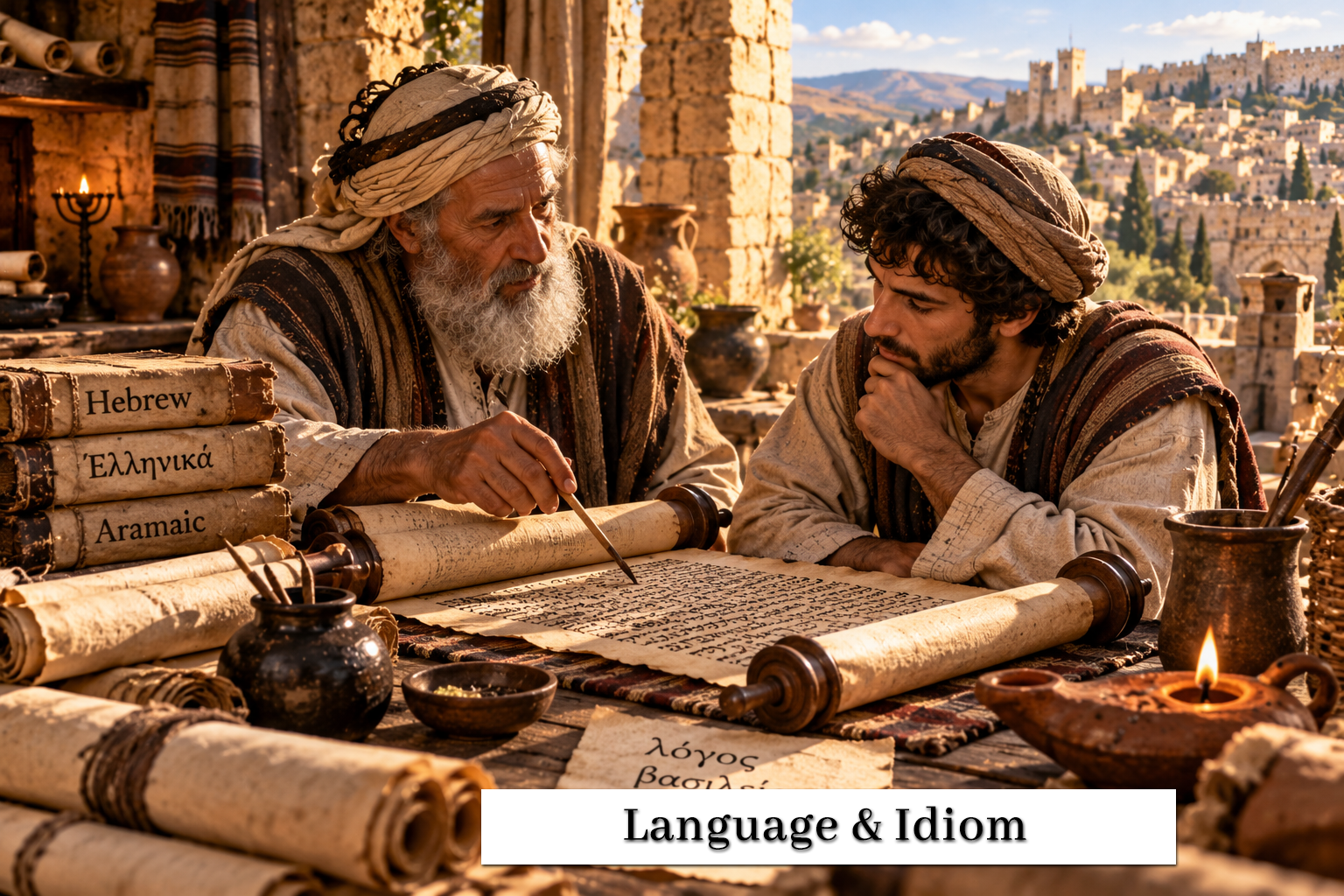
Mark preserves Jesus' Aramaic address 'Abba' in Gethsemane and immediately translates it with the Greek word for Father.
Bartimaeus: The Son of Timaeus
Language and Idiom
The name Bartimaeus preserves the Semitic element <em>bar</em>, meaning 'son of,' and Mark then explains the name for his readers.
Rabboni: My Teacher
Language and Idiom
Rabboni is a Semitic title of respectful address related to Rabbi and meaning 'my teacher' or 'my master.'
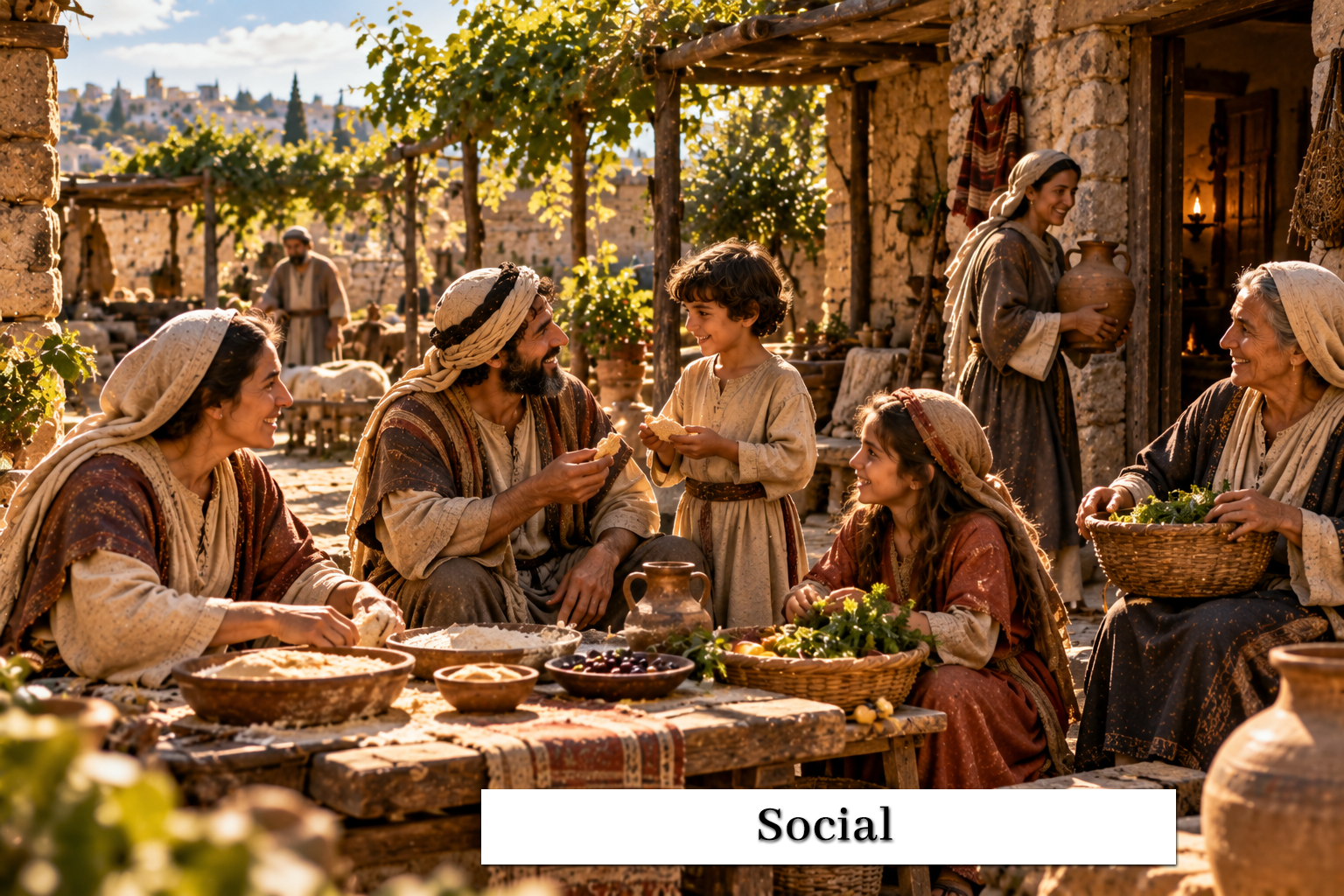
Widows, Vulnerability, and 'Devouring Houses'
Social Context
Jesus' charge that scribes 'devour widows' houses' draws on the economic vulnerability of widows and condemns religious status used for exploitation.
The Widow of Nain and Her Only Son
Social Context
The death of the widow's only son at Nain threatened not only profound grief but also the loss of a key source of household security in an ancient kinship-based society.
Is Not This Joseph's Son?
Social Context
Nazareth's question about Jesus as 'Joseph's son' reflects a society in which family, hometown, and inherited social identity strongly shaped expectations.
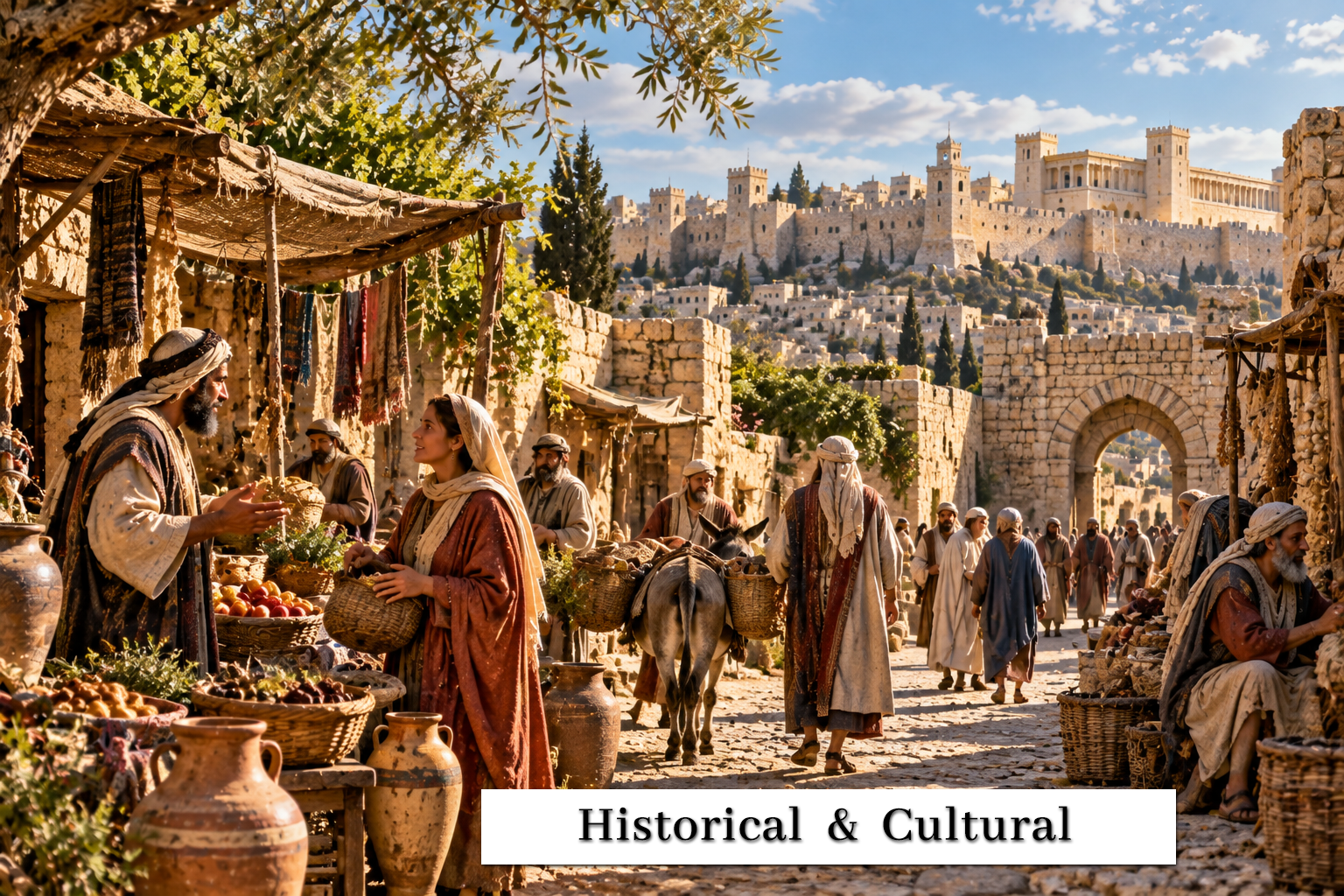
The Widow of Zarephath and Naaman the Syrian
Historical/Cultural Context
Jesus' examples of the widow of Zarephath and Naaman recall Old Testament occasions when God's prophetic mercy reached conspicuous non-Israelites.
Setting His Face Toward Jerusalem
Language and Idiom
To 'set one's face' toward a destination is a biblical idiom of determined purpose, marking Luke's major transition toward Jesus' journey to Jerusalem.
Why a Samaritan Village Refused Jesus
Historical/Cultural Context
The Samaritan village's refusal of hospitality reflects longstanding Jewish-Samaritan tensions, sharpened because Jesus was traveling toward Jerusalem.
© 2026 AVisitWithJesus
"For God so loved the world, that he gave his only begotten Son,
that whosoever believeth in him should not perish, but have everlasting life."