
Jesus in Context

Abba, Father

Language and Idiom •  Mark
A Visit With Jesus
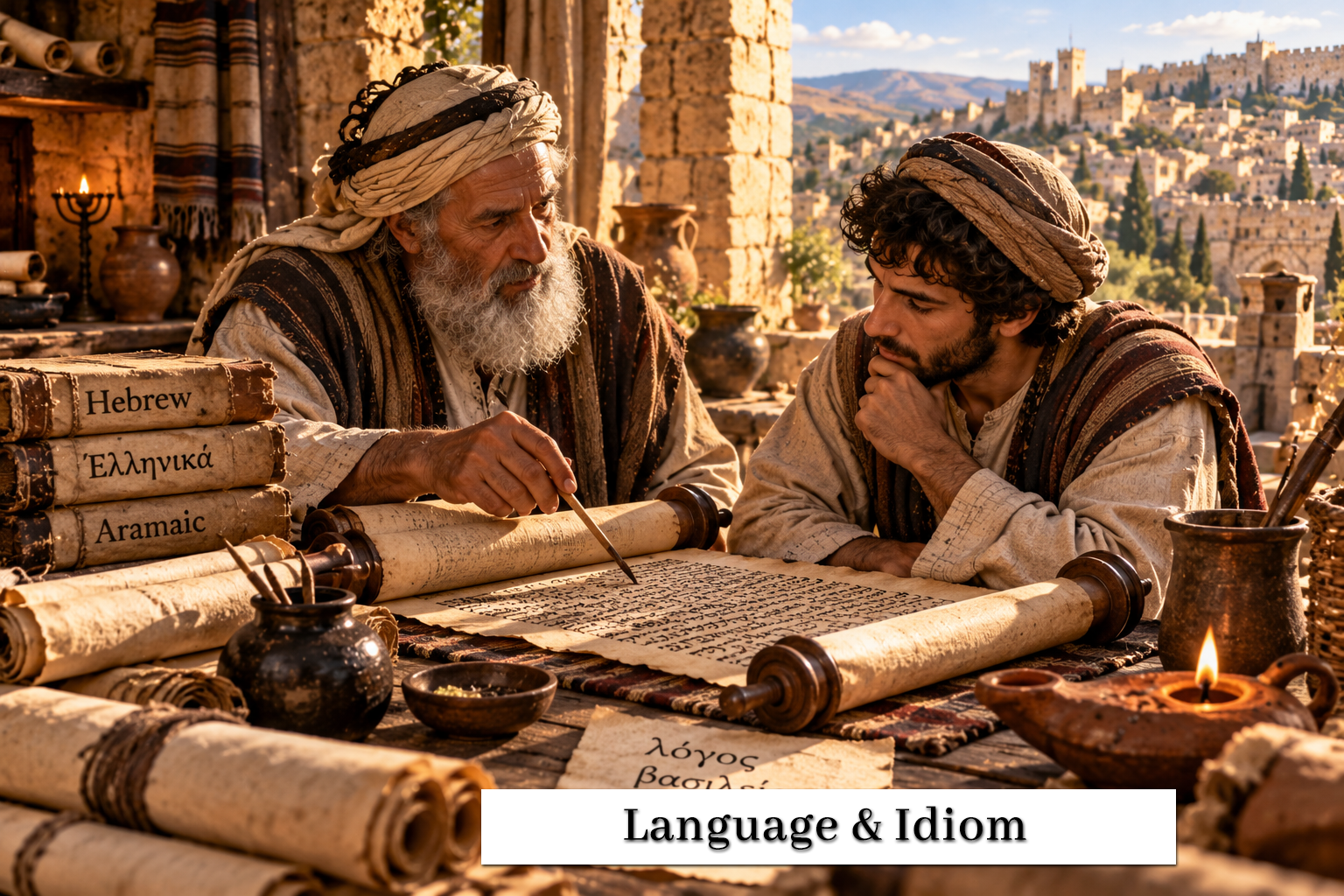
Mark preserves Jesus' Aramaic address 'Abba' in Gethsemane and immediately translates it with the Greek word for Father.
Language and Idiom

Introduction

At Gethsemane Jesus prays, 'Abba, Father.' Mark preserves the Aramaic word Abba even for Greek-speaking readers and then supplies its meaning.

The retained Semitic word gives the prayer a distinctive immediacy and was important enough to remain part of early Christian prayer language.

Historical and Cultural Context

Abba is an Aramaic form of address for father. It expresses a genuine familial relationship, but the popular claim that it simply means the childish English word 'Daddy' is too narrow and can be misleading. Adults as well as children could use the term.

Paul later preserves the same expression, 'Abba, Father,' in Romans and Galatians, showing that the wording became meaningful within early Christian communities beyond Aramaic-speaking Palestine.

Why It Matters

The linguistic background allows the prayer to retain both intimacy and dignity. Jesus addresses God as Father at the very moment he submits to the suffering represented by the cup.

The term should neither be made cold and formal nor reduced to baby talk. In the Gospel scene it expresses filial relationship, trust, and submission under extreme anguish.

Scripture References

Related Places

Related Customs