
Jesus in Context

Is Not This Joseph's Son?

Social Context •  Luke
A Visit With Jesus
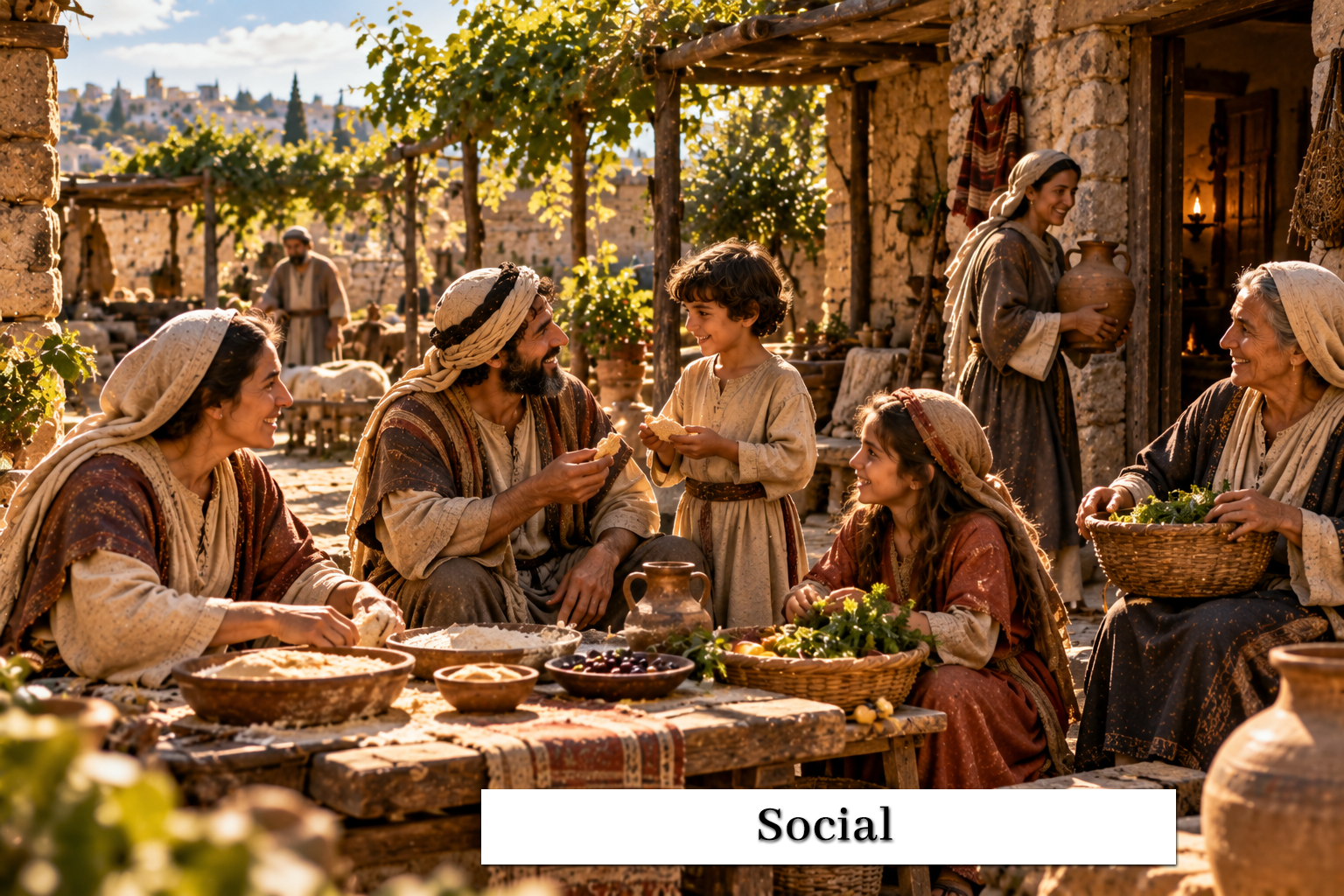
Nazareth's question about Jesus as 'Joseph's son' reflects a society in which family, hometown, and inherited social identity strongly shaped expectations.
Social Context

Introduction

After people in Nazareth marvel at Jesus' words, they ask, 'Is not this Joseph's son?' The question is not a request for genealogical information. They already know the family with which they associate him.

Familiarity becomes a framework for deciding what kind of person Jesus can plausibly be.

Historical and Cultural Context

Ancient Mediterranean identity was deeply embedded in family and place. Patronymics, ancestry, occupation, and hometown helped locate a person within a social network. Reputation was therefore not imagined as wholly self-created in the modern individualistic sense.

Someone known locally through an ordinary family could face resistance when assuming unexpected public authority. Luke uses that familiarity as part of the tension in the Nazareth synagogue scene.

Why It Matters

The cultural setting explains why the hometown question can follow admiration so quickly. The hearers' knowledge of Jesus' local identity does not lead automatically to faith; it limits their expectations.

The episode warns that familiarity can become a barrier when people assume they already know the boundaries of what God may do through someone they think they have adequately classified.

Scripture References

Related People

Related Places