
Jesus in Context

Foot Washing in the First Century

Social Context •  John
A Visit With Jesus
Foot washing was a practical act of hospitality in a world of dusty roads and sandals, but performing it was low-status service; Jesus' decision to wash his disciples' feet deliberately reverses expected rank.
Social Context

Introduction

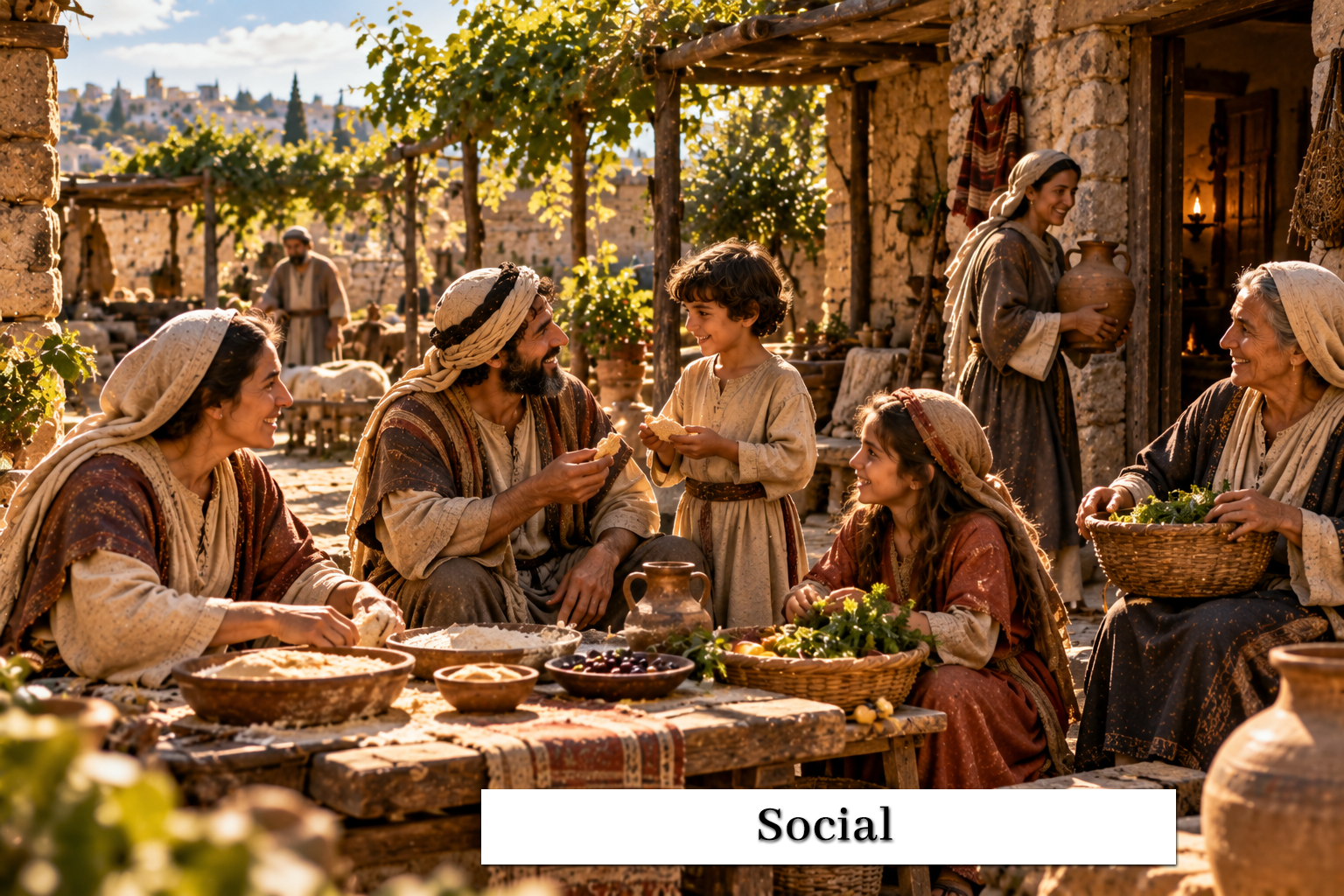
John 13 becomes much more striking when foot washing is placed back into the household world of the first century. Dusty travel and open footwear made washing feet a practical courtesy. Yet the task itself was humble service, not an action expected from the honored teacher at the meal.

Jesus therefore does more than provide comfort for tired travelers. He rises from supper, lays aside his garments, takes a towel, and assumes the posture of a servant before men who call him Teacher and Lord.

Historical and Cultural Context

Hospitality could include providing water for a guest's feet, while the actual washing could be associated with servants or other persons of low household status. The exact division of such tasks varied, so the point should not be reduced to a rigid rule that only one class of slave could ever wash feet. The consistent social signal is humility and service.

John emphasizes Jesus' deliberate actions: he removes his outer garments, wraps himself with a towel, pours water, washes the disciples' feet, and wipes them. The towel is practical equipment, but it also visually marks the role he has chosen to assume.

Peter's resistance makes sense within that hierarchy. His objection is not simply embarrassment about dirty feet. The one he recognizes as Lord is performing a task whose social direction should ordinarily run the other way. Jesus then interprets the action himself, insisting that his status as Teacher and Lord remains true even while he serves.

Why It Matters

The social background prevents foot washing from becoming merely a sentimental lesson about being nice. Jesus performs a concrete reversal of rank. The superior takes the place of the servant without ceasing to be the superior.

That is why his command to follow the example is so demanding. If the Lord and Teacher can perform low-status service for his disciples, appeals to rank cannot excuse disciples from serving one another.

Peter's objection also becomes more intelligible. The scandal lies precisely in who is washing whose feet. Jesus transforms an ordinary act of hospitality into an enacted lesson about leadership, humility, cleansing, and the shape of discipleship.

Scripture References