
Jesus in Context

The Two-Drachma Temple Tax

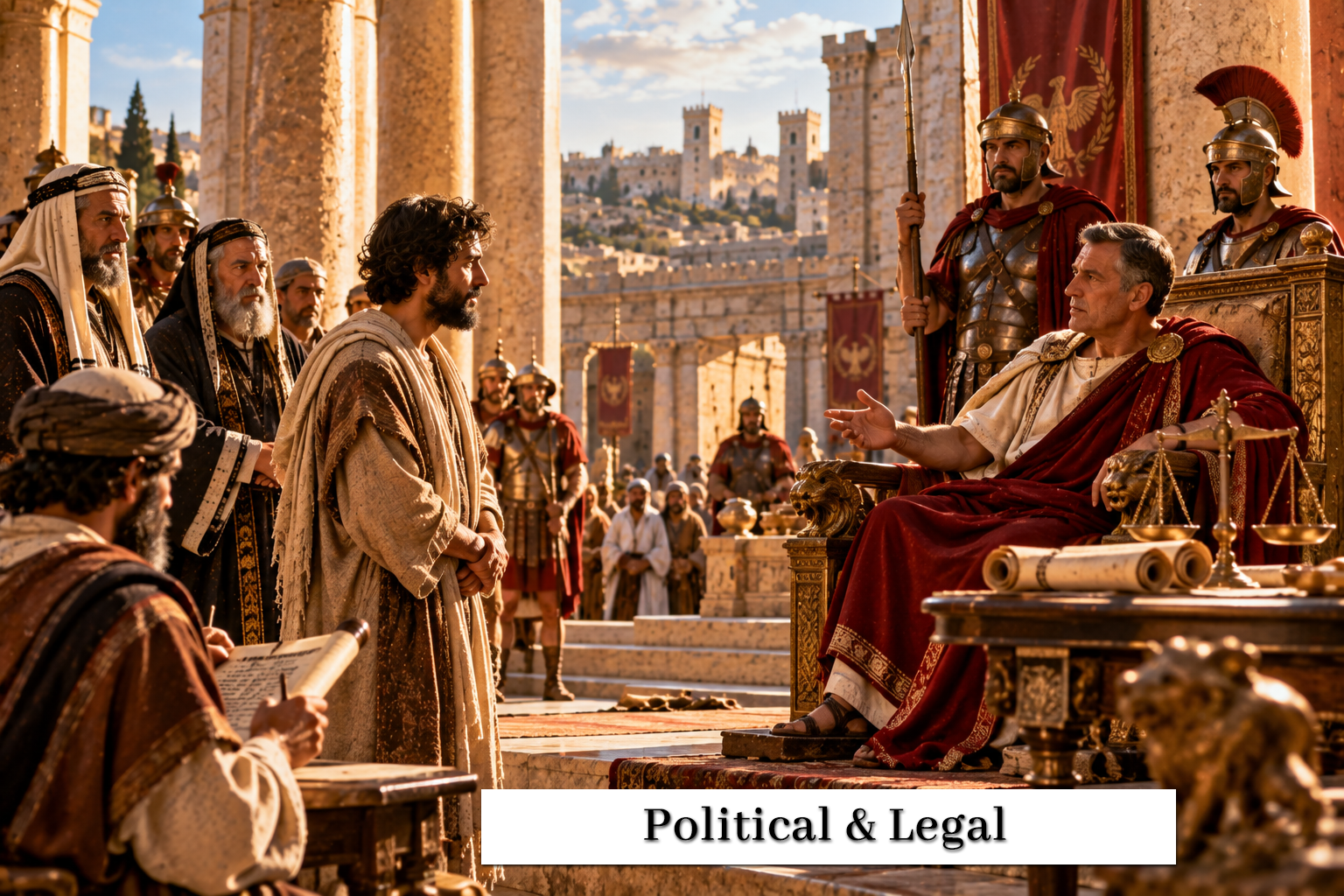
Political/Legal Context •  Matthew
A Visit With Jesus
The two-drachma payment in Matthew 17 reflects the Jewish contribution associated with the Temple, not a Roman imperial tax.
Political/Legal Context

Introduction

The collectors who approach Peter about the "two drachmas" are not asking for Caesar's tribute. The payment is connected with the Temple and Jewish religious life.

That distinction matters because Matthew later records a separate controversy over the Roman tax paid to Caesar.

Historical and Cultural Context

A half-shekel contribution for the sanctuary has biblical roots in Exodus, and a Temple payment continued to be associated with Jewish communal worship in the Second Temple period. Matthew expresses the amount in Greek monetary terminology as the didrachma, or two-drachma payment.

The episode's language of sons, kings, and exemption then becomes part of Jesus' response, while the payment is nevertheless made so as not to give offense.

Why It Matters

Identifying the tax correctly prevents two different Gospel issues from being merged. This is a Jewish Temple contribution, not the politically charged imperial tribute represented by Caesar's coin.

The setting also sharpens Jesus' argument about sonship and obligation. His willingness to provide the payment despite the point he has made illustrates a concern not to create an unnecessary stumbling block.

Scripture References