
Jesus in Context

The Centurion at the Cross

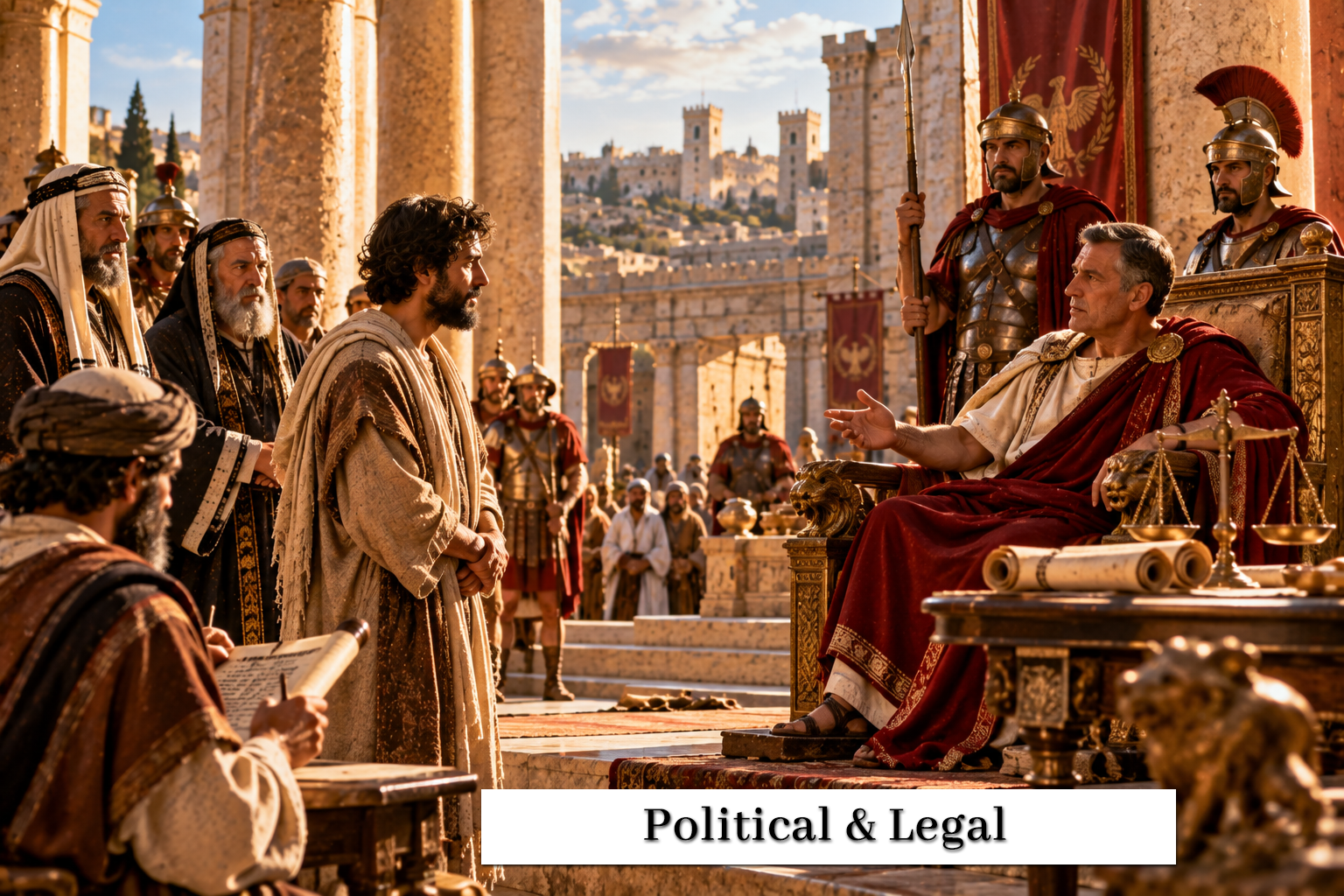
Political/Legal Context •  Luke
A Visit With Jesus
A Roman centurion overseeing the execution becomes an unexpected witness in Luke's crucifixion narrative, declaring Jesus righteous after seeing what occurs.
Political/Legal Context

Introduction

After Jesus dies, Luke turns attention to a centurion who glorifies God and says, 'Certainly this was a righteous man.' A centurion was not simply another spectator.

He belonged to the Roman military structure responsible for maintaining order and carrying out the execution.

Historical and Cultural Context

Centurions were experienced Roman military officers, conventionally associated with command of a century, though actual unit strengths varied. In an execution scene a centurion could represent the disciplined authority under which soldiers operated.

Luke's wording differs from Mark and Matthew, which record 'Son of God' language. Luke emphasizes the centurion's recognition of Jesus' righteousness or innocence, fitting his repeated presentation of Jesus as unjustly condemned.

Why It Matters

The speaker's identity creates the irony. A representative of the power carrying out the crucifixion becomes one of the people who recognizes that Jesus is righteous.

Luke has already narrated declarations of innocence around the trial. The centurion's response at the cross adds Roman testimony at the very moment the Roman sentence reaches its conclusion.

Scripture References

Related Customs