
Jesus in Context

The Third Day in Ancient Reckoning

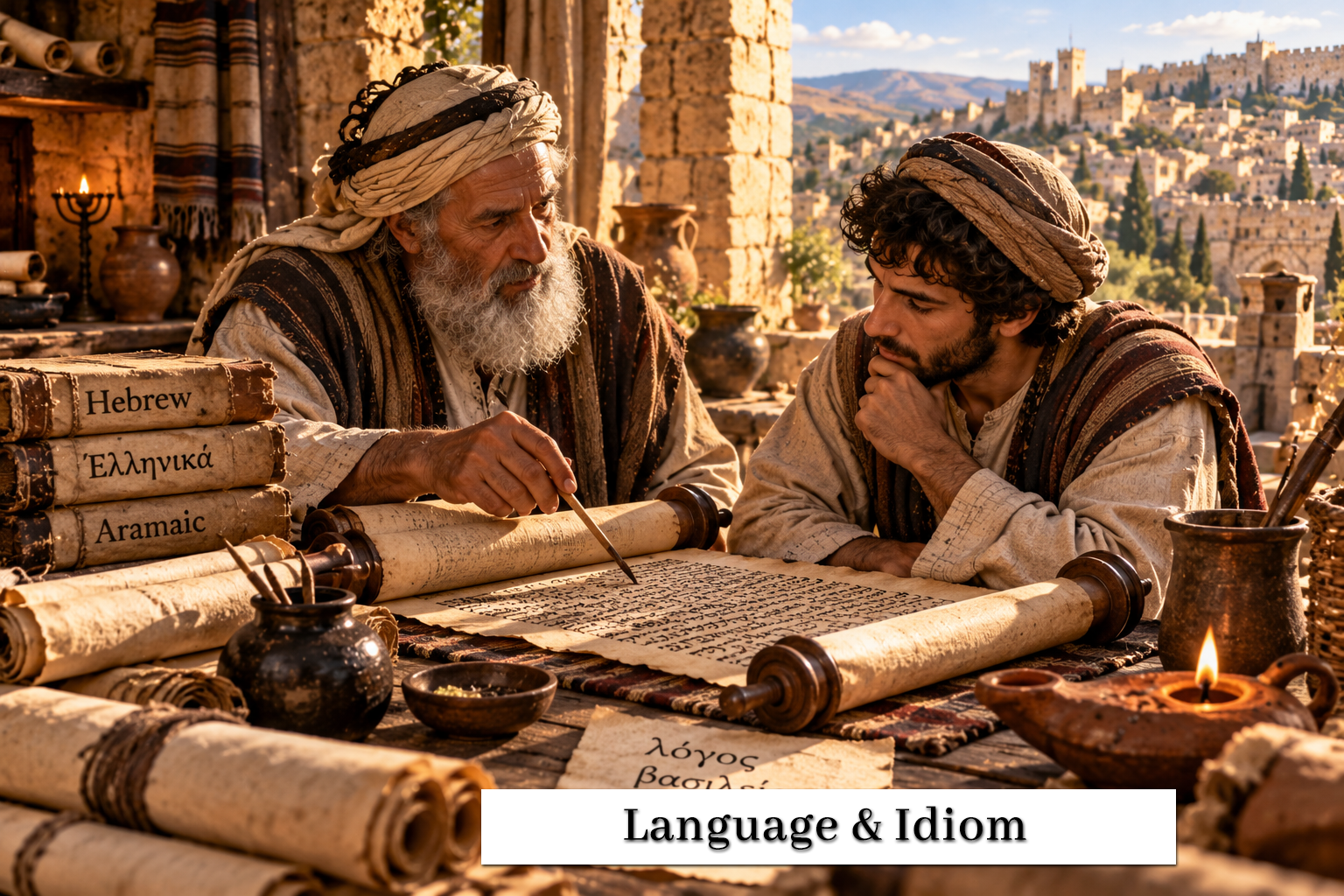
Language and Idiom
A Visit With Jesus
Ancient inclusive counting could call a period spanning parts of Friday, Saturday, and Sunday 'the third day' without requiring three complete twenty-four-hour periods.
Language and Idiom

Introduction

The Emmaus disciples say that it is 'the third day' since Jesus' death. Modern readers sometimes assume that such language must describe three completed twenty-four-hour periods.

Ancient Jewish and Mediterranean chronological expressions commonly counted the starting and ending portions of a sequence inclusively.

Historical and Cultural Context

With inclusive reckoning, the day on which an event begins can count as day one even when only part of that day remains. The following day is day two and the next is day three. This usage appears elsewhere in biblical chronological language.

Luke's passion-resurrection sequence therefore coheres naturally with Jesus' death before the Sabbath and the empty tomb on the first day of the week.

Why It Matters

The counting convention removes a modern chronological assumption from the text. 'The third day' is an ancient idiom of day reckoning, not a stopwatch measurement of seventy-two completed hours.

That matters because the third-day language is central to the Gospel's claim that Jesus' resurrection occurred according to what he had foretold and according to the scriptural pattern the disciples were learning to understand.

Related Places

Related Customs