
Bible Location

Emmaus

A Visit With Jesus

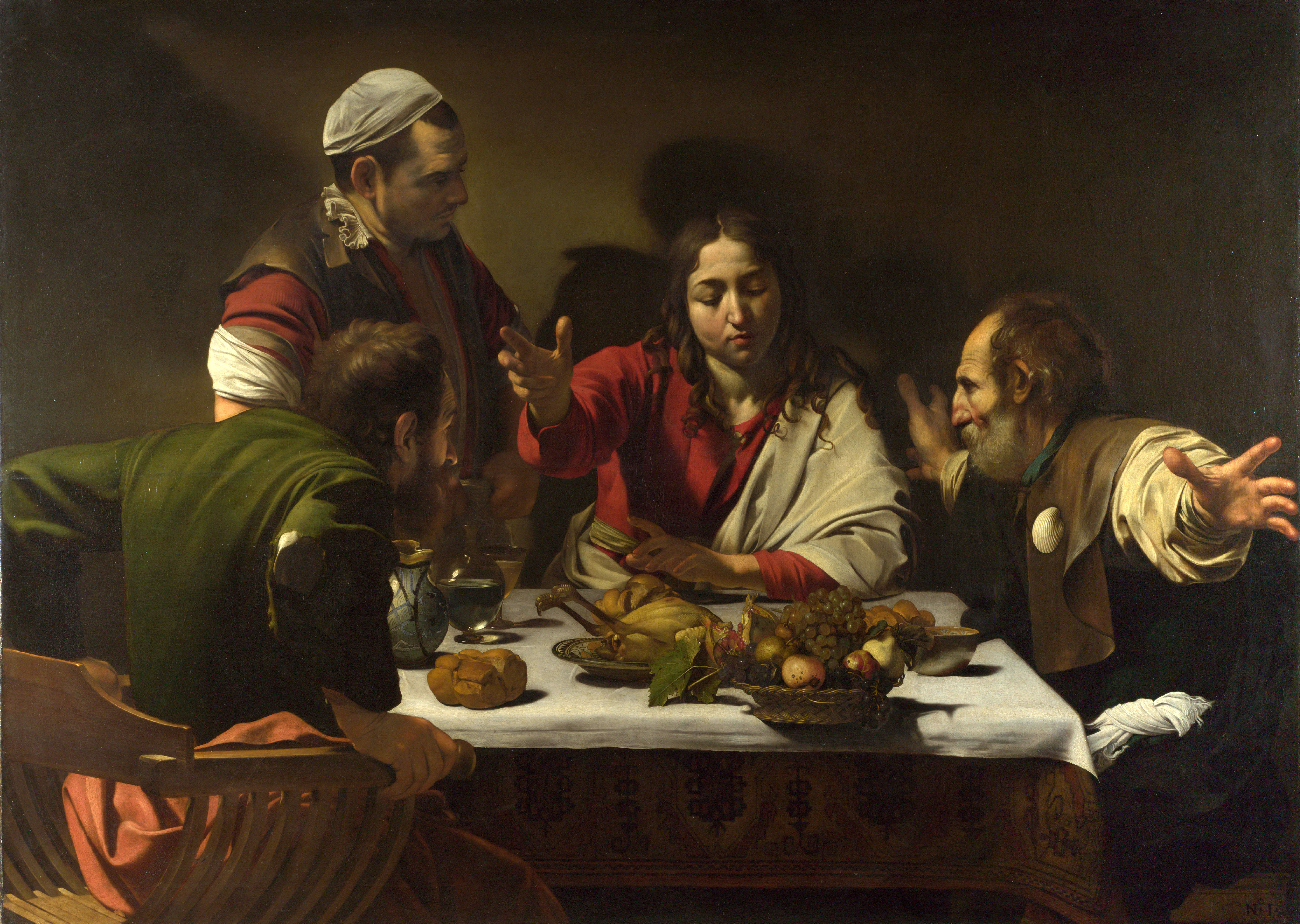
Emmaus is the village toward which two disciples were traveling on the day of Jesus' resurrection when the risen Jesus joined them on the road. Luke 24 describes the disciples initially failing to recognize Him as He explained the Scriptures concerning the Messiah.

At the village they urged Jesus to remain with them. During the meal He took bread, blessed and broke it, and their eyes were opened so that they recognized Him. They then returned to Jerusalem to report what had happened.

The precise location of the New Testament Emmaus remains disputed, with several sites proposed on the basis of ancient tradition, geography, textual evidence, and archaeology.

Emmaus

Biblical Significance

Luke 24:13-35 gives Emmaus its unique importance in the New Testament. Two disciples, one named Cleopas, left Jerusalem on the day of the resurrection while discussing the reports concerning Jesus' empty tomb.

Jesus approached them, but they did not recognize Him. Beginning with Moses and the prophets, He explained the Scriptures concerning the Messiah and the necessity of His suffering before entering glory.

When they reached Emmaus, the disciples invited Him to remain with them. They recognized Jesus in the breaking of the bread, after which He disappeared from their sight. They immediately returned to Jerusalem and told the other disciples that the Lord had risen.

Historical Background

The principal difficulty in identifying Emmaus is the distance given in Luke 24. Most manuscripts describe the village as sixty stadia from Jerusalem, approximately seven miles, while some textual witnesses give a much greater distance of 160 stadia.

Several sites acquired Christian traditions identifying them with Emmaus. Emmaus Nicopolis became an important Byzantine Christian center but lies considerably farther from Jerusalem than sixty stadia. Other candidates include el-Qubeibeh, Abu Ghosh, and locations in the vicinity of Motza.

Archaeology has illuminated these settlements and their later Christian traditions but has not produced evidence that resolves the identification beyond reasonable dispute.

Modern Identification

The location of Luke's Emmaus remains uncertain. Emmaus Nicopolis has a very old identification and substantial archaeological remains, but its distance from Jerusalem corresponds better to the textual variant of 160 stadia than to the more widely attested sixty stadia.

El-Qubeibeh became a prominent later Christian identification and lies at a distance more compatible with sixty stadia. Abu Ghosh and the Motza area have also been proposed.

AVWJ should therefore avoid presenting any one modern site as conclusively established. A map may show one or more principal candidates while clearly labeling the identification as disputed.

Scripture References

Related Resources

Sources

Bible: Luke 24:13-35; Greek manuscript evidence for Luke 24:13; Eusebius and Jerome concerning Emmaus Nicopolis; archaeological and geographical studies of Emmaus Nicopolis, el-Qubeibeh, Abu Ghosh, and Motza