Significance of the Resurrection
The Resurrection is not an appendix to the Gospel story. It is the triumphant completion of Christ's saving work and the foundation of Christian hope. The cross and the empty tomb belong together. Jesus died for sinners, but the One who died did not remain in the grave. God raised Him from the dead, vindicating His Son, defeating death, and inaugurating the life of the age to come.
Paul states the issue with startling force: if Christ has not been raised, Christian preaching is empty, faith is futile, and believers remain in their sins. Christianity therefore does not rest merely on the teachings of a dead religious leader. It rests upon the living Jesus Christ. ( 1 Corinthians 15:14-20 )
Jesus was rejected, condemned, and crucified as though His claims were false. The Resurrection is God's decisive reversal of that human verdict. Peter's preaching in Acts repeatedly contrasts what human beings did to Jesus with what God did: they killed Him, but God raised Him from the dead.
Paul similarly writes that Jesus was declared to be the Son of God in power according to the Spirit of holiness by His resurrection from the dead. The Resurrection does not make Jesus the Son of God; it powerfully vindicates and reveals who He is.
The risen Jesus announces that all authority in heaven and on earth has been given to Him. Peter's Pentecost sermon culminates in the declaration that the crucified Jesus is both Lord and Christ. The Resurrection therefore leads directly to Christ's exaltation and universal lordship.
Christianity does not proclaim only that Jesus once lived. It proclaims that He lives and reigns. The One who commissioned the apostles remains the Lord to whom every person ultimately owes allegiance.
The cross is the atoning sacrifice by which Christ bears sin. Yet Paul refuses to separate the saving meaning of the cross from the Resurrection. Jesus "was delivered up" for our trespasses and was raised for our justification. If Christ has not been raised, Paul says, believers remain in their sins.
The Resurrection therefore declares that Christ's saving mission has not ended in defeat. The sacrifice has been accepted, death has not retained its claim upon Him, and the believer's righteous standing before God rests in the completed work of the crucified and risen Christ.
Salvation is more than forgiveness of the past. Believers are united with Christ so that His resurrection life becomes the pattern and power of a new way of living. Paul says that those united with Christ in His death are raised to "walk in newness of life."
This means that resurrection life begins to transform the Christian even before the final resurrection of the body. The believer is no longer to live as a slave to sin but as one who is alive to God in Christ Jesus.
Death is not treated in Scripture as a harmless transition or an illusion. It is an enemy. The Resurrection announces that this enemy has been decisively breached. Christ entered death and emerged victorious, never to die again.
His victory does not mean Christians are presently exempt from physical death. It means death no longer has the final word. Paul looks forward to the day when death itself will be destroyed and the redeemed will share fully in Christ's victory.
Jesus' Resurrection is not an isolated miracle that happened only to Him. Paul calls Christ the "firstfruits" of those who have fallen asleep. In the biblical world, firstfruits were the beginning of a harvest and the pledge that more was to follow.
So Christ's Resurrection is the beginning of the resurrection harvest. Those who belong to Him will also be raised. Christian hope is therefore not ultimately escape from the body into an eternal disembodied existence. It is resurrection - transformed, glorified, embodied life in God's renewed creation.
Peter describes believers as having been born again to a "living hope" through the resurrection of Jesus Christ from the dead. Christian hope is living because its object is a living Savior. It rests not merely on optimism about what might happen after death but on what Christians believe God has already done in raising Jesus.
For that reason grief and hope can exist together. Christians mourn death because death is painful and unnatural, yet they do not mourn as those who have no hope. The risen Christ has gone before His people, and His Resurrection promises that separation and death are not final.
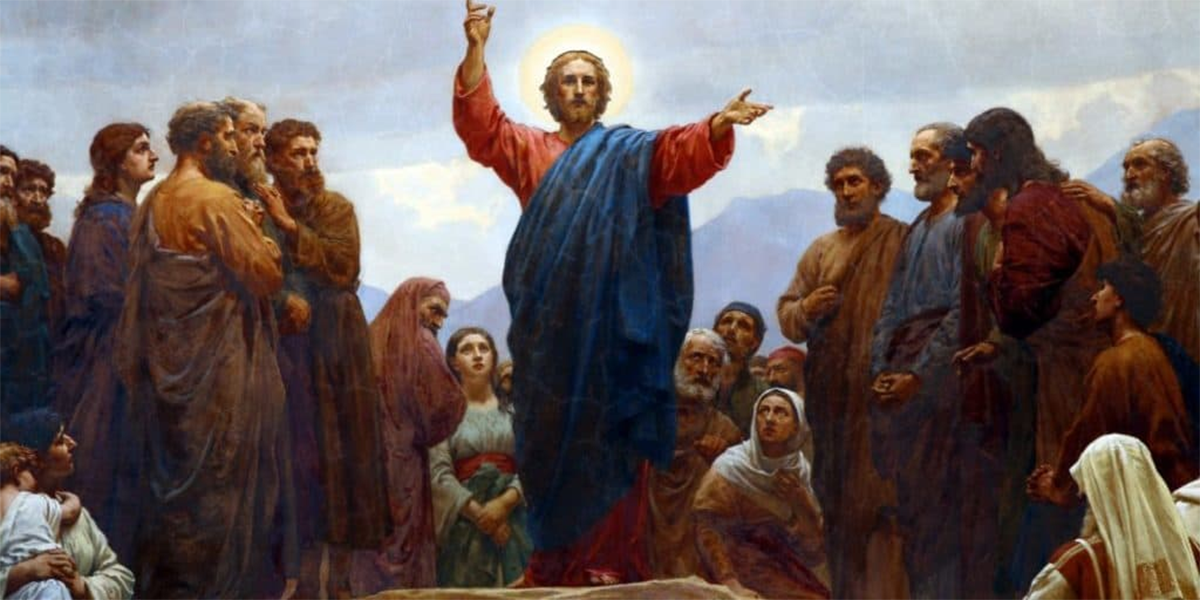
In raising Jesus, God has begun in the middle of history what Scripture promises for the end of history. The risen Christ is the firstfruits, and the final renewal of God's people and creation will follow. Resurrection is therefore not merely the reversal of one death. It is the beginning of God's promised new creation.
This is why the New Testament's hope is so expansive. The Gospel looks backward to the cross and empty tomb, but it also looks forward to the return of Christ, the resurrection of the dead, the defeat of every enemy, and the renewal of all things.
The risen Christ does not merely comfort His disciples and then depart. He commissions them. Because He possesses all authority, they are to make disciples of all nations. In Acts, the apostles are sent as witnesses of His Resurrection to Jerusalem, Judea, Samaria, and to the ends of the earth.
Christian mission therefore begins with an announcement before it becomes an invitation: Jesus Christ is risen and is Lord. The church exists to bear witness to Him, call people to repentance and faith, teach what He commanded, and live as a people shaped by resurrection hope.
If Christ Is Risen, Everything Changes
The Resurrection answers the apparent defeat of Good Friday. The One who was rejected has been vindicated. The sacrifice for sin has not ended in the grave. Death has met its conqueror. Jesus reigns as Lord, believers possess new life and a living hope, and the resurrection of God's people is no longer merely a promise without precedent. Its firstfruits have already appeared.
For Paul, this is not secondary doctrine. Remove the Resurrection and the Christian faith collapses. But because Christ has been raised, the opposite is also true: faith has a living object, sin and death do not have the final word, Christian labor is not in vain, and those who belong to Christ can face even death with confidence.
Continue with The Resurrection and the Early Church to see how this conviction shaped the preaching and worship of the first Christians.
© 2026 AVisitWithJesus
"For God so loved the world, that he gave his only begotten Son,
that whosoever believeth in him should not perish, but have everlasting life."