The Gospel Accounts
All four Gospels place the discovery of Jesus' empty tomb on the first day of the week. Each account tells the story from its own perspective, selecting different people, details, conversations, and appearances. The differences are worth examining carefully, but they should not obscure the central testimony shared by the accounts: Jesus had been buried, His tomb was found empty, and His followers came to believe that He had risen from the dead.
The Gospel writers were not attempting to provide four identical transcripts. As elsewhere in the Gospels, they arrange and emphasize material according to the purposes of their individual narratives. Reading the accounts side by side therefore gives a fuller picture than reading any one of them in isolation.
Matthew 28
Matthew names Mary Magdalene and "the other Mary" as the women who came to the tomb. He describes an earthquake and an angel who rolls away the stone, while the guards become afraid. The angel tells the women that Jesus has risen and instructs them to tell the disciples that He will meet them in Galilee.
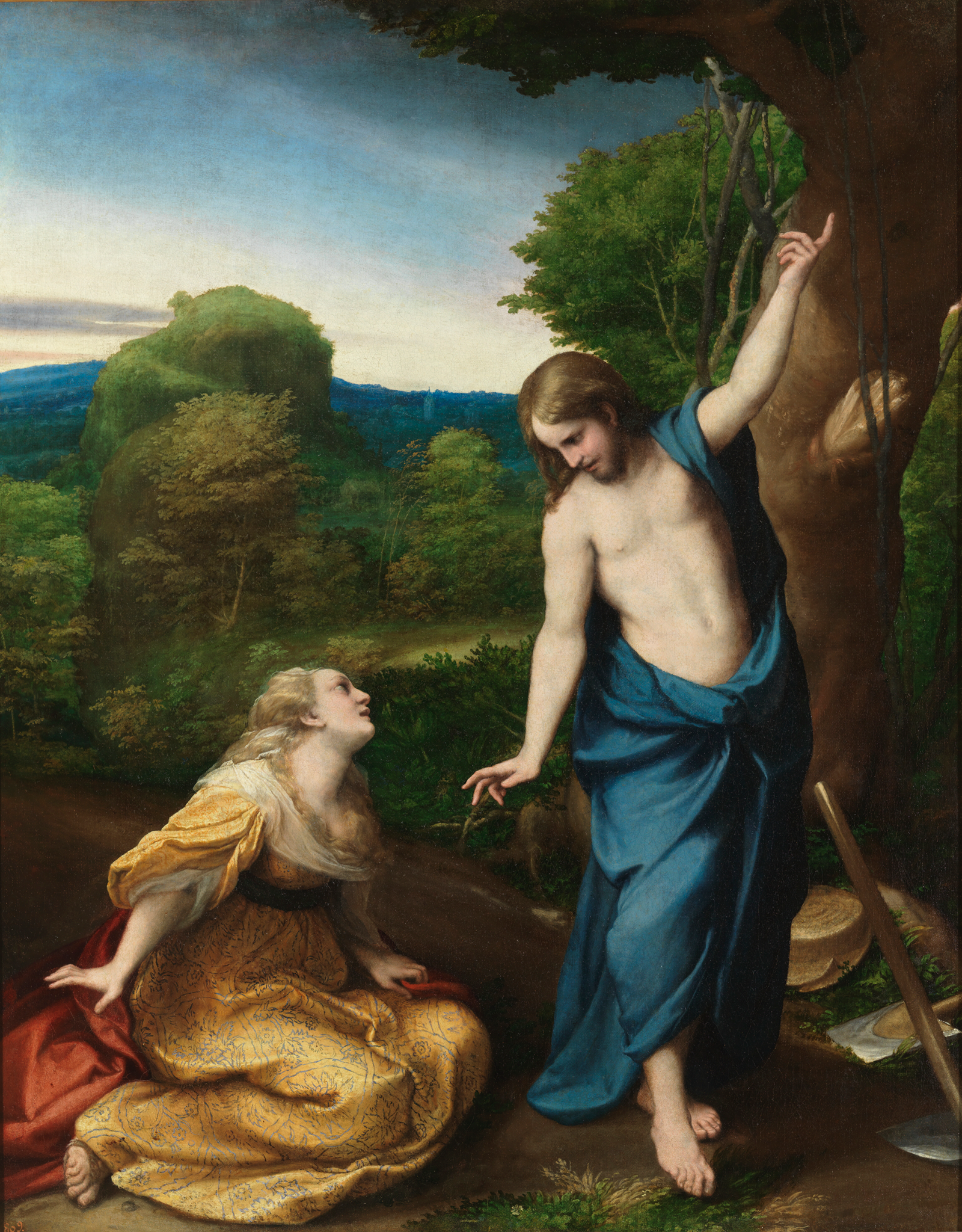
Matthew then records Jesus meeting the women themselves. Later, he includes the report of the guards and the claim that the disciples stole Jesus' body. His account concludes in Galilee, where Jesus commissions His disciples to make disciples of all nations. ( Matthew 28 )
Mark 16
Mark names Mary Magdalene, Mary the mother of James, and Salome. They come very early with spices, wondering who will roll away the stone. They discover that the stone has already been moved and encounter a young man dressed in white who announces that Jesus has risen.
In the oldest surviving manuscript tradition, Mark's narrative ends at verse 8 with the women leaving the tomb in fear. Most Bibles also print the traditional longer ending, verses 9-20, while marking or noting the manuscript question. That longer ending summarizes several resurrection appearances and the disciples' commission. ( Mark 16 )
Luke 24
Luke describes a group of women coming at early dawn with prepared spices. They find the stone rolled away and the tomb empty, and two men in dazzling clothing remind them that Jesus had foretold His death and resurrection. The women report what they have seen to the apostles, who initially regard their testimony with disbelief.
Luke then gives the extended account of two disciples meeting the risen Jesus on the road to Emmaus. He later describes Jesus appearing to the gathered disciples in Jerusalem, inviting them to see and touch Him and eating in their presence. Luke closes with Jesus explaining the Scriptures and leading His followers toward Bethany before the Ascension. ( Luke 24 )
John 20-21
John begins with Mary Magdalene arriving while it is still dark and discovering that the stone has been removed. She runs to Peter and the disciple whom Jesus loved, who then race to the tomb. After they leave, Mary remains and becomes the first person in John's Gospel to encounter the risen Jesus.
John next describes Jesus appearing to the disciples behind locked doors, followed by the well-known appearance to Thomas. Chapter 21 adds an appearance beside the Sea of Tiberias, the miraculous catch of fish, breakfast with the disciples, and Jesus' restoration and commission of Peter. ( John 20 ; John 21 )
Different Details, Common Testimony
The accounts differ in the number and names of women specifically mentioned, the description of the angelic messengers, the sequence in which particular details are reported, and the appearances each writer chooses to include. These differences have generated discussion since antiquity and deserve to be considered rather than hidden.
At the same time, naming one person does not necessarily mean that no others were present, and reporting one messenger does not necessarily deny the presence of another. John, for example, initially focuses on Mary Magdalene, yet her statement that "we do not know where they have laid him" indicates that she was not necessarily alone. The accounts can therefore be compared without requiring each writer to mention every participant or every event. ( John 20:1-2 )
A more difficult question is the order in which all of the events and appearances occurred. The next page in this presentation considers that question directly by constructing a reasonable chronology from the Gospel accounts and the other New Testament references.
Continue with Resurrection Timeline, or use the navigation at the right (or below on a smaller screen) to explore another part of the presentation.
© 2026 AVisitWithJesus
"For God so loved the world, that he gave his only begotten Son,
that whosoever believeth in him should not perish, but have everlasting life."