Evidence for the Resurrection
The resurrection of Jesus is a theological claim, but it is also presented in the New Testament as a claim about events in history. Christians believe that God raised Jesus from the dead. Historical investigation cannot place God's action under laboratory observation, but it can ask what the earliest sources say, how early those claims appeared, what experiences the witnesses reported, and what explanation best accounts for the evidence.
The resurrection claim begins with the death of Jesus. All four Gospels report His execution by crucifixion under Pontius Pilate, and Paul's summary of the Gospel begins with the statement that Christ died and was buried. Without a real death, there is no resurrection claim to explain.
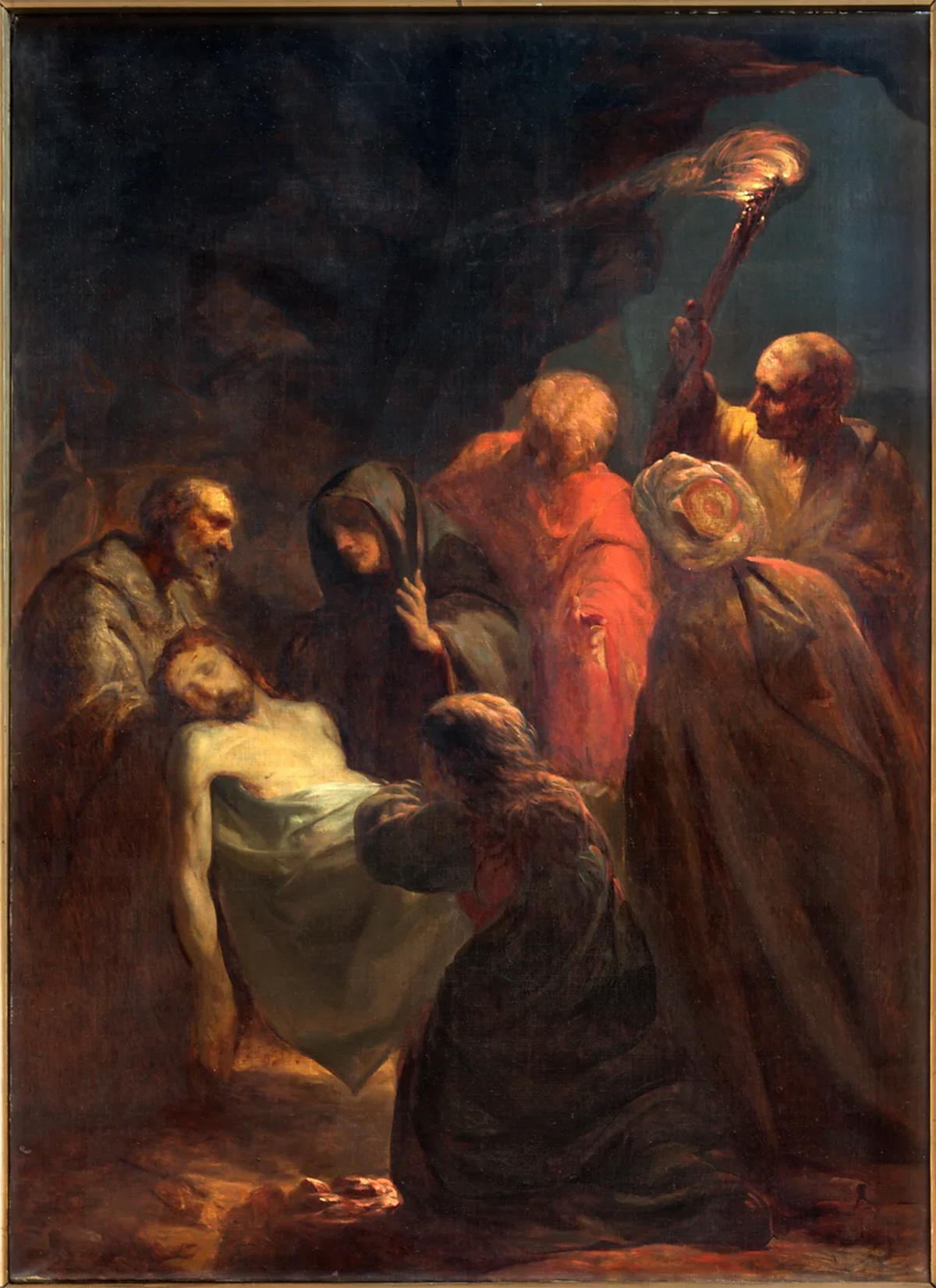
The Gospels identify Joseph of Arimathea as the man who obtained Jesus' body and placed it in a tomb. They also describe women observing the burial. Paul's early summary likewise places burial between Jesus' death and resurrection. Burial is therefore part of the earliest resurrection proclamation, not merely a detail added to the end of the Passion story.
All four Gospel accounts report that women found the tomb empty on the first day of the week. The narratives differ in the details they emphasize, but the empty tomb is common to each account.
Paul does not narrate the discovery of the empty tomb in 1 Corinthians 15. His sequence is instead that Christ died, was buried, was raised, and appeared. Whether Paul's brief formula can itself be used as independent evidence for the empty tomb is debated. Nevertheless, bodily resurrection in its Jewish and early Christian setting naturally raises the question of what happened to the body that had been buried.
One of the most important pieces of evidence is Paul's statement in 1 Corinthians 15 that he was passing on material that he himself had received. The compact sequence - Christ died, was buried, was raised, and appeared - is widely recognized as material that predates the writing of 1 Corinthians.
This matters because resurrection belief cannot easily be dismissed as a story that first arose generations after Jesus. Whatever conclusion one reaches about the event itself, the proclamation that Jesus had been raised and had appeared to witnesses belongs to the earliest period of the Christian movement.
The resurrection testimony is not based only on an empty tomb. The Gospels describe appearances to individuals and groups, while Paul names Cephas, the Twelve, more than five hundred people at one time, James, all the apostles, and finally himself.
The accounts vary in setting and circumstance. Mary Magdalene encounters Jesus near the tomb; two disciples meet Him while traveling to Emmaus; groups encounter Him in Jerusalem and Galilee; Thomas moves from refusal to belief after an appearance in which he is present.
The Gospels indicate that during Jesus' ministry His brothers did not believe in Him. Paul later names James among those to whom the risen Jesus appeared, and the New Testament subsequently presents James as an important leader of the Jerusalem church.
Scripture does not describe the resurrection appearance to James, so its details are unknown. Nevertheless, the combination of earlier unbelief, Paul's witness list, and James' later leadership makes him an important figure in considering the rise of resurrection belief.
Paul is especially valuable because his own letters survive. He openly acknowledges that he had persecuted the church and then says that the risen Christ appeared to him. He subsequently became one of Christianity's most active missionaries.
Paul's experience differs chronologically from the appearances during the forty days before the Ascension, but he himself includes it in his list of resurrection appearances. Any historical explanation of early Christianity must therefore account not only for the convictions of Jesus' original followers but also for Paul's abrupt reversal.
Acts portrays the resurrection as central to the earliest apostolic preaching. The disciples do not merely preserve Jesus' ethical teaching after His death; they publicly proclaim that God raised Him and that they are witnesses to that event.
Acts is a later narrative source than Paul's undisputed letters, so historians weigh the sources differently. Even so, Paul's letters independently establish that resurrection proclamation was already central to Christian belief well before the Gospels and Acts reached their final written forms.
What Does the Evidence Establish?
Historical evidence can establish that resurrection belief arose early, that named individuals and groups were said to have encountered the risen Jesus, that Paul personally claimed such an encounter, and that the resurrection rapidly became central to Christian proclamation. The Gospel accounts also preserve the tradition of an empty tomb.
The further conclusion that Jesus actually rose bodily from the dead is the Christian explanation of those facts. Alternative explanations have therefore been proposed: removal or theft of the body, survival of crucifixion, mistaken location of the tomb, visionary or hallucinatory experiences, and legendary development. Each explanation must be judged by how well it accounts for the evidence as a whole rather than for only one part of it.
Continue with Objections and Alternative Explanations, where those proposals will be examined individually.
© 2026 AVisitWithJesus
"For God so loved the world, that he gave his only begotten Son,
that whosoever believeth in him should not perish, but have everlasting life."