Resurrection & the Early Church
The earliest Christians did not treat the Resurrection as one doctrine among many. It stood at the center of their proclamation. Again and again in Acts, the apostles announce that Jesus was crucified but that God raised Him from the dead. Their message was not simply that Jesus' teaching should be remembered. It was that the crucified Jesus was alive, exalted as Lord, and calling the world to repentance and faith.
Paul's letters confirm that this conviction was not a later development. He reminds the Corinthians of the Gospel he had already delivered to them: Christ died for sins, was buried, was raised on the third day, and appeared to witnesses. The Resurrection belonged to the message Christians received, confessed, preached, and believed from the beginning. ( 1 Corinthians 15:1-8 )
At Pentecost Peter does not conclude merely that Jesus was a great teacher unjustly killed. He declares that God raised Him up and made Him both Lord and Christ. In the next chapter Peter again accuses his hearers of killing the Author of life, "whom God raised from the dead." When Peter and John are arrested, Acts says the authorities are disturbed because they are proclaiming in Jesus the resurrection from the dead.
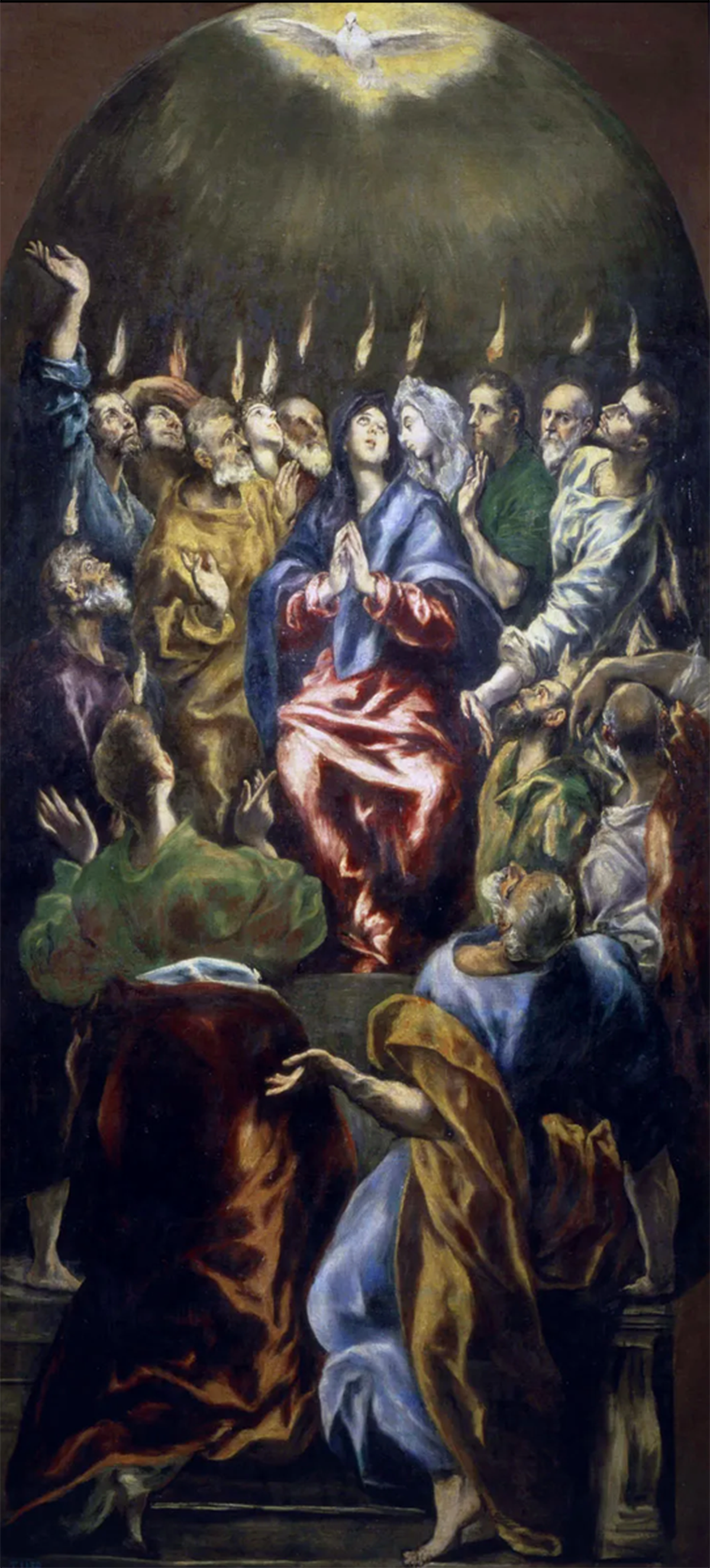
The apostles repeatedly present themselves not merely as interpreters of Jesus but as witnesses to what God had done. Peter tells the crowd, "of that we all are witnesses." Later the apostles declare that they cannot stop speaking about what they have seen and heard.
This eyewitness emphasis is especially important to the character of early Christian proclamation. The Resurrection was announced as an event to which testimony could be given, not simply as a private religious insight.
Baptism quickly became the public mark of entrance into the Christian community. Paul later explains its meaning in explicitly resurrection terms: believers are united with Christ in His death so that, just as Christ was raised, they may walk in newness of life.
Baptism therefore points backward to Christ's death and forward through His Resurrection. The convert is not simply joining an ethical society. He or she is confessing allegiance to the crucified and risen Lord and entering a life defined by union with Him.
The Gospels place the discovery of the empty tomb on the first day of the week. Later New Testament passages show Christians gathering to break bread on that day and Paul directing believers to set aside their offerings on the first day of every week. Revelation also refers to "the Lord's Day."
These passages show the growing importance of the first day within Christian life. It is natural to understand that pattern in relation to the day on which the Lord rose, although the New Testament does not give us a single verse formally narrating the complete development of Sunday worship.
John 20:1 | Acts 20:7 | 1 Corinthians 16:2 | Revelation 1:10
The first Christians remained uncompromisingly committed to the God of Israel, yet Jesus occupied an astonishing place in their faith and worship. They confessed Him as Lord, called upon His name, baptized in His name, prayed in relation to Him, and gathered as His people.
This devotion makes sense within the apostolic conviction that the crucified Jesus had been raised and exalted by God. The Resurrection did not merely restore Jesus to His former earthly life; it confirmed Him as the living Lord before whom the church worshiped and to whom it belonged.
The risen Jesus commissions His followers to make disciples of all nations and promises the Spirit's power so that they will be His witnesses to the ends of the earth. Acts then tells the story of that commission moving outward - from Jerusalem into Judea and Samaria and eventually throughout the Roman world.
The missionary movement was therefore inseparable from the Resurrection. The apostles believed they had news to announce: Jesus was alive and reigning. Their task was not to preserve the memory of a failed Messiah but to summon the nations to the risen King.
Resurrection faith did not spare the early church from opposition. Peter and John were threatened; Stephen was killed; believers were scattered; James the brother of John was executed; and Paul repeatedly suffered for his ministry. Yet the message continued to spread.
Their courage was rooted in more than determination. If Christ had conquered death, then death could no longer be the ultimate threat. The church could suffer while looking beyond suffering to resurrection, judgment, vindication, and eternal life with Christ.
Christians still died, and the New Testament never treats that loss lightly. Yet death was now faced in the light of Christ's Resurrection. Paul could describe deceased believers as those who had "fallen asleep," not because death was unreal but because awakening was expected.
The Christian hope was that the God who raised Jesus would also raise those who belonged to Him. This conviction gave the earliest churches a radically different horizon: the grave was no longer the conclusion of the believer's story.
A Church That Could Not Stop Speaking
The transformation is striking. Before Easter, the disciples scatter when Jesus is arrested. After Easter and Pentecost, those same followers publicly proclaim Him in Jerusalem despite threats and arrest. Their message is consistently resurrection-centered: the Jesus whom men crucified has been raised and exalted by God.
The growth of Christianity cannot be reduced to a single historical factor, but the New Testament leaves no doubt about what the first Christians themselves believed was driving them. They were convinced that Jesus Christ was alive. Their preaching, worship, fellowship, mission, suffering, and hope all flowed from that conviction.
Continue with Resurrection in Scripture for a closer look at how the Resurrection fulfills the biblical story and how the apostles interpreted it from the Old Testament.
© 2026 AVisitWithJesus
"For God so loved the world, that he gave his only begotten Son,
that whosoever believeth in him should not perish, but have everlasting life."