Who Sinned, This Man or His Parents?
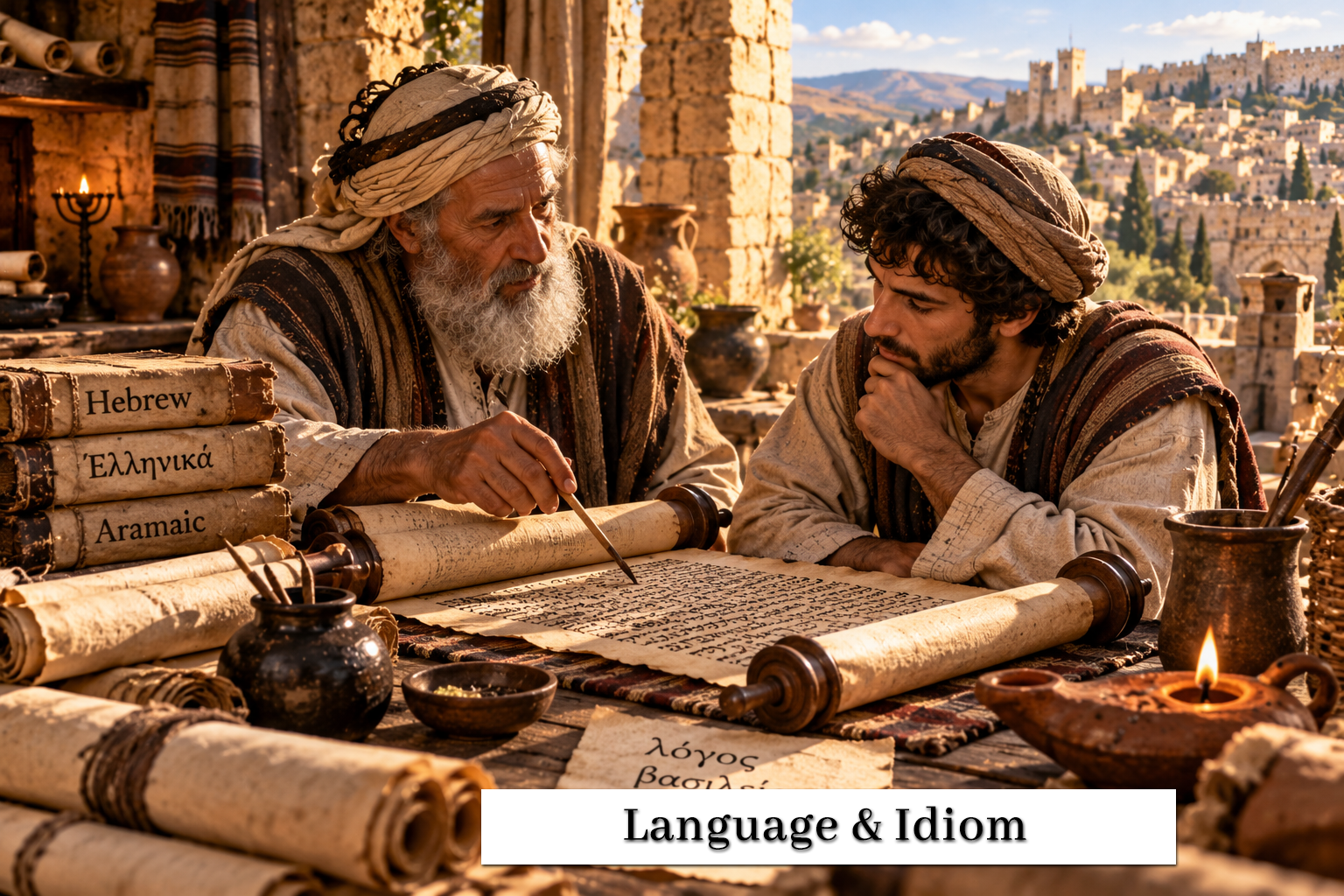
Language and Idiom
The disciples' question about congenital blindness reflects an ancient attempt to connect suffering directly with personal or parental sin, an assumption Jesus explicitly refuses in this case.

Who Sinned, This Man or His Parents?
Language and Idiom
The disciples' question about congenital blindness reflects an ancient attempt to connect suffering directly with personal or parental sin, an assumption Jesus explicitly refuses in this case.
Saliva, Clay, and Ancient Healing Practice
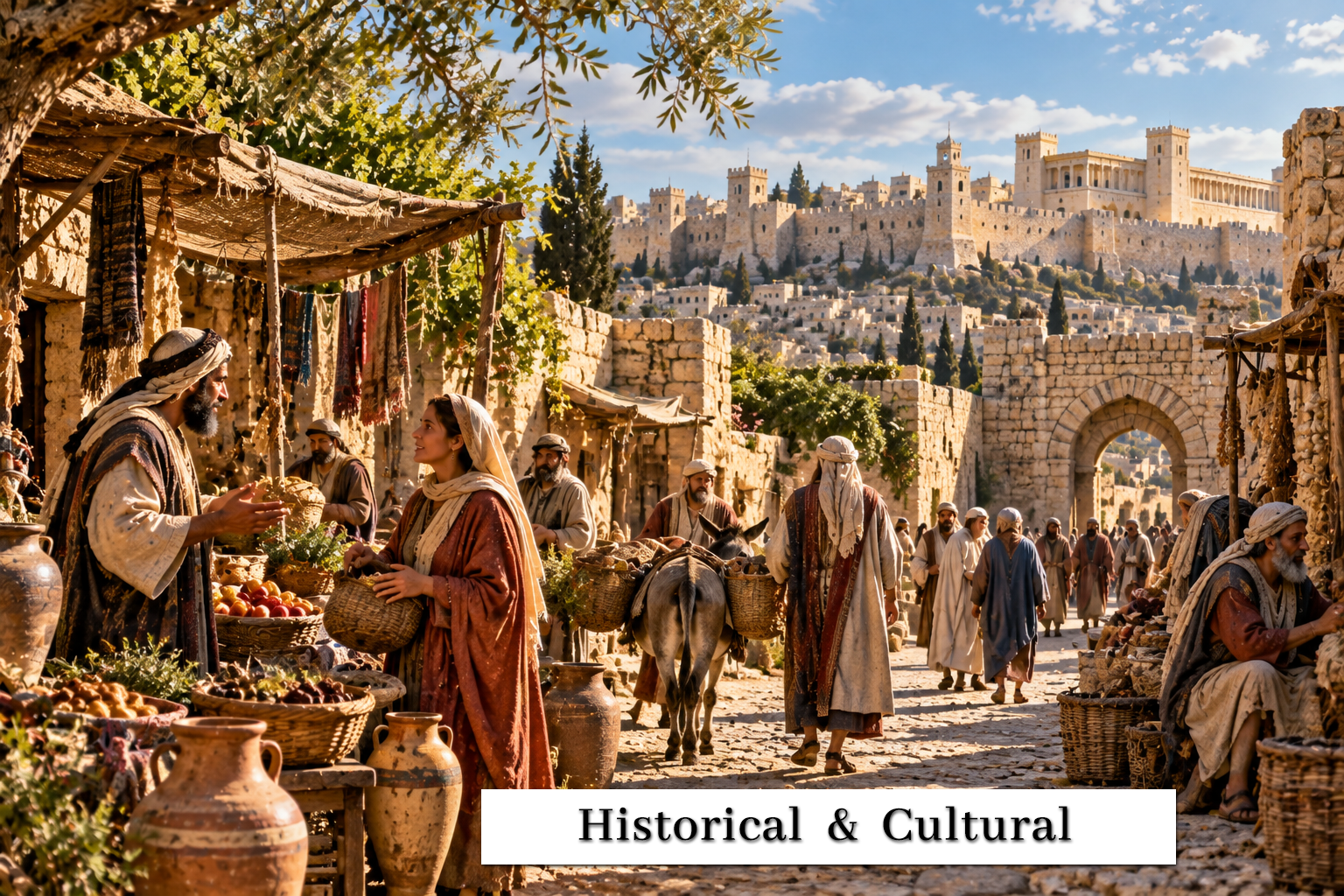
Jewish Custom
Jesus' use of saliva and clay in healing the blind man occurs in a world where saliva could be associated with healing, yet John presents the cure as Jesus' work rather than the power of a folk remedy.
The Pool of Siloam: 'Sent'
Geography
John explains that Siloam means 'Sent,' linking a real Jerusalem water site with a name that resonates strongly in a Gospel preoccupied with Jesus as the one sent by the Father.
Making Clay on the Sabbath
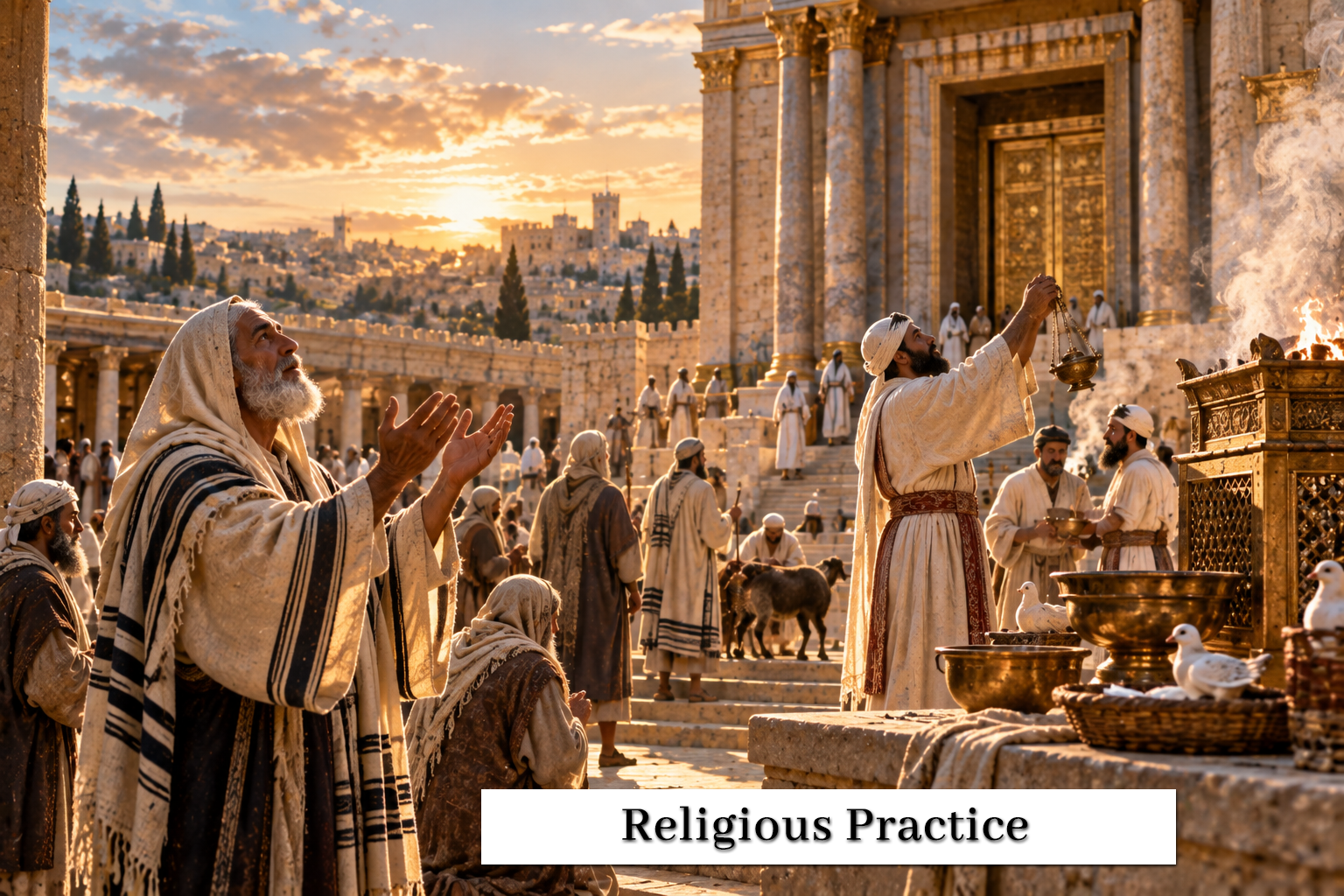
Religious Practice
John emphasizes that Jesus made clay on the Sabbath, placing the healing within Jewish debates about Sabbath labor and making the method of healing part of the controversy.
Put Out of the Synagogue
Synagogue
The blind man's parents speak cautiously because they fear exclusion from the synagogue, showing the serious social cost that public identification with Jesus could carry within a local Jewish community.
Give God the Glory
Language and Idiom
The command 'Give God the glory' is an ancient solemn formula calling someone to tell the truth before God, not merely an invitation to praise God in worship.
'We Are Moses' Disciples'
Honor and Shame
The interrogation of the healed man becomes a contest over recognized discipleship and authority: his questioners claim Moses, while the man increasingly argues that Jesus' unprecedented work must come from God.
The Healed Man Worships Jesus
Religious Practice
After receiving sight and being expelled, the healed man encounters Jesus again, confesses belief, and worships him, bringing the chapter's movement from physical sight to recognition of Jesus to its climax.
Seeing, Blindness, and Judgment
Language and Idiom
Jesus turns the healing of a blind man into a sustained metaphor of spiritual sight: those who acknowledge blindness may see, while those who insist that they see remain accountable for rejecting the light before them.
Sheepfolds, Gatekeepers, and the Shepherd's Voice
Shepherding
Jesus' sheepfold illustration draws on familiar pastoral practices: enclosed sheep, a guarded entrance, shepherds known to their animals, and flocks led by voice rather than merely driven from behind.
I Am the Door of the Sheep
Shepherding
Jesus develops the sheepfold image by identifying himself as the door through whom the sheep enter for salvation, safety, pasture, and abundant life.
The Good Shepherd and Israel's Shepherd Tradition
Shepherding
Jesus' claim to be the Good Shepherd evokes Israel's rich shepherd tradition, including God's own shepherding and prophetic condemnation of leaders who exploit the flock.
© 2026 AVisitWithJesus
"For God so loved the world, that he gave his only begotten Son,
that whosoever believeth in him should not perish, but have everlasting life."