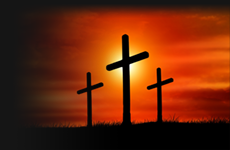
a visit with jesus

 Bible Concepts

The Church

The Church is the community of all who have been united to Jesus Christ through faith. In the New Testament, the word church most often refers not to a building but to God's people, called together to worship Him, proclaim the gospel, encourage one another, and serve the world in Christ's name. Scripture speaks of both the universal Church—all believers everywhere—and local churches that gather for worship, fellowship, teaching, prayer, and ministry. Christ Himself is the head of the Church, and believers are described as members of His body, each serving an important role in God's redemptive work.

The Day of the Lord

The Day of the Lord is a recurring biblical expression for a decisive intervention by God in human history. The Old Testament prophets used it to announce judgment against injustice, idolatry, and pride, sometimes referring to approaching disasters affecting Israel or other nations. Yet the Day of the Lord also carries the promise of deliverance and restoration for those who turn to God. In the New Testament, the theme becomes closely associated with the return of Jesus Christ, final judgment, and the renewal of creation. Rather than identifying a date on a calendar, the expression emphasizes the certainty of God's righteous rule and the need for repentance, faith, and readiness.

The Fear of the Lord

The "fear of the Lord" is a recurring biblical expression describing a profound reverence for God that recognizes His holiness, power, authority, and righteous judgment. It does not ordinarily mean living in terror of God, but approaching Him with awe, humility, and a willingness to obey. Scripture repeatedly associates the fear of the Lord with wisdom, righteousness, and turning away from evil. For believers who know God's love and forgiveness, fear of the Lord becomes not a desire to flee from Him, but a reverent recognition of who He truly is.

The Final Judgment

The Final Judgment is the biblical teaching that God will ultimately judge humanity with perfect justice through Jesus Christ. Scripture describes a future resurrection, the disclosure of human deeds, and the final distinction between those who receive eternal life and those who face condemnation. Jesus speaks of separating the righteous from the wicked, while Revelation portrays the great white throne and the book of life. Although Christian traditions differ over the sequence of end-time events and the nature of final punishment, they agree that evil will not have the last word and that God’s judgment will reveal His righteousness.

The Gospel

The gospel is the "good news" that God has acted in Jesus Christ to save sinners and reconcile them to Himself. At the heart of the gospel are the historical events of Christ's death for sins, His burial, His resurrection, and His exaltation as Lord. Through His sacrificial death and victorious resurrection, Jesus accomplished what humanity could never achieve through its own efforts. The gospel is received by grace through faith, not by human merit or religious works, and it calls every person to repentance, faith, and lifelong discipleship. The New Testament presents the gospel as God's power for salvation and the foundation of Christian hope.

The Holy Spirit

The Holy Spirit is the third Person of the Trinity, fully divine and eternally one with the Father and the Son. Throughout Scripture, the Spirit is active in creation, revelation, empowering God's servants, and accomplishing God's purposes. Jesus promised that the Holy Spirit would dwell within His followers, guide them into truth, and empower them for His mission. Following Pentecost, the Spirit's indwelling presence became a defining reality of the Christian life. He convicts of sin, brings spiritual life, produces godly character, gives spiritual gifts, and continually directs believers toward Jesus Christ.

Page 11 of 14