Jesus Did Not Say, 'He Shall Not Die'
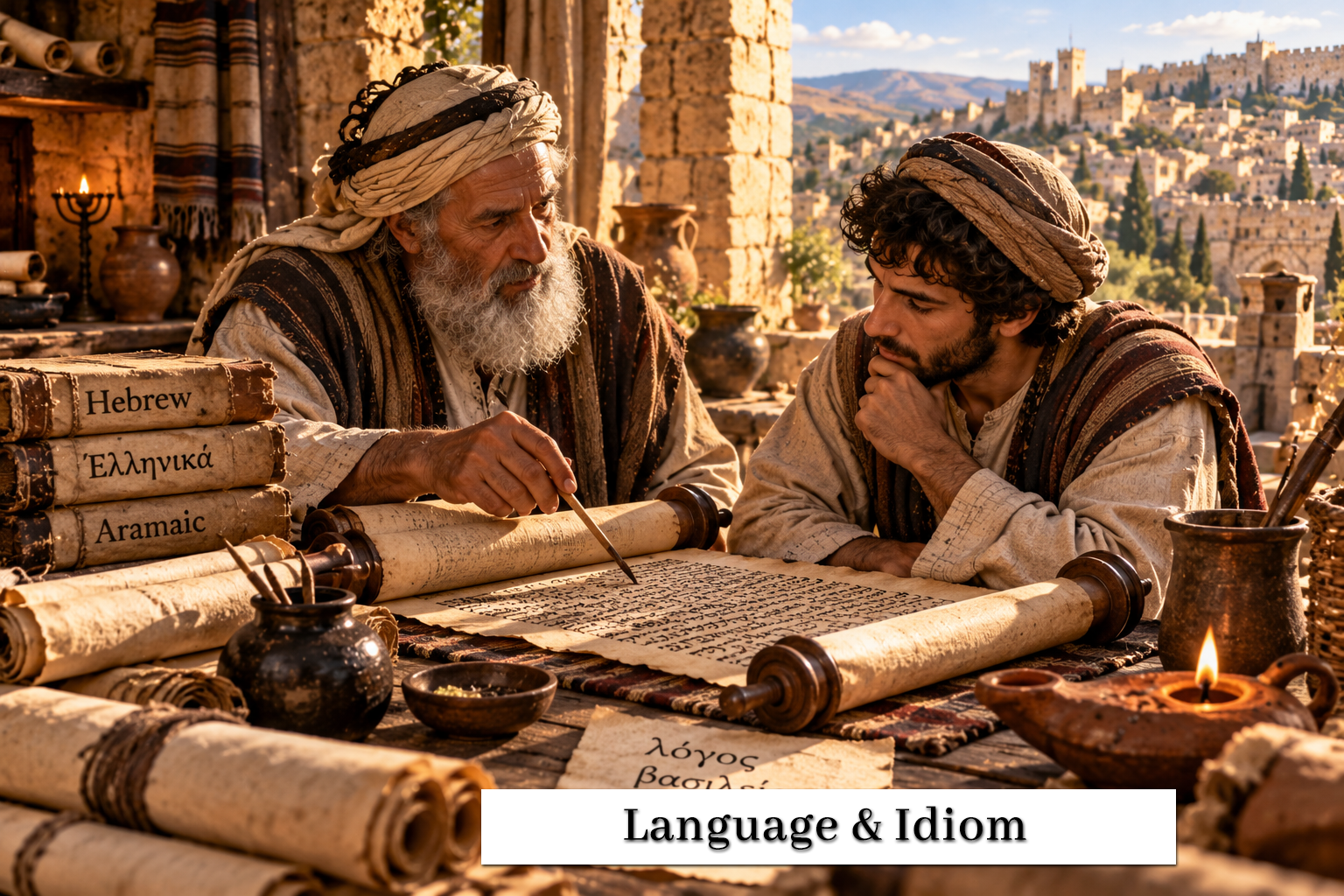
Language and Idiom
John explicitly corrects the rumor about the beloved disciple by distinguishing what people said Jesus meant from the words Jesus actually spoke.

Jesus Did Not Say, 'He Shall Not Die'
Language and Idiom
John explicitly corrects the rumor about the beloved disciple by distinguishing what people said Jesus meant from the words Jesus actually spoke.
The Disciple Who Testifies and Wrote These Things
Witness and Testimony
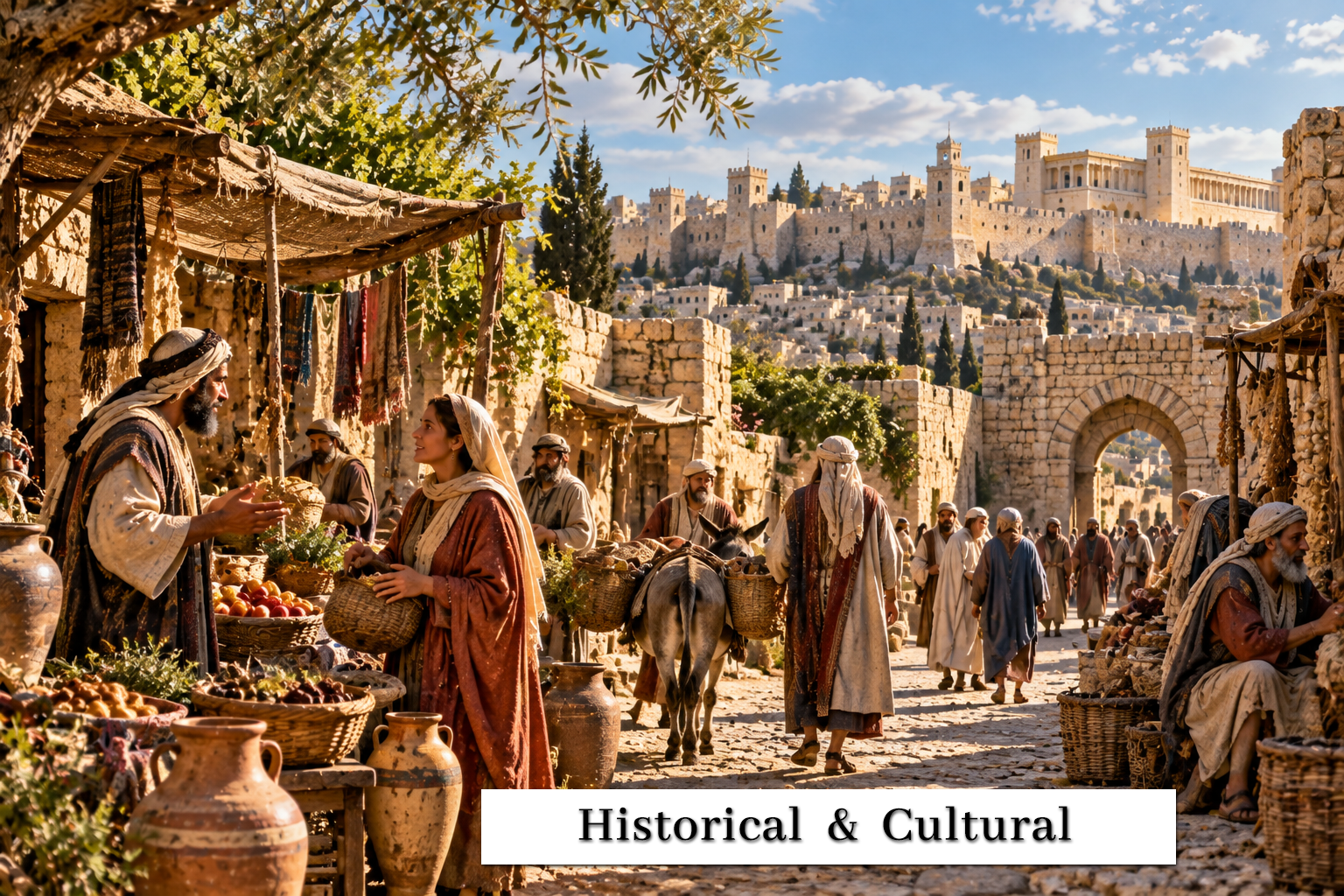
The Gospel identifies the beloved disciple with the testimony behind the narrative and states that he wrote these things.
We Know That His Testimony Is True
Witness and Testimony
The closing testimony shifts briefly into the first-person plural—'we know'—as the Gospel affirms the truthfulness of the beloved disciple's witness.
Many Other Things Which Jesus Did
Literary and Historical Context
John closes by reminding readers that his Gospel is selective: the written narrative represents only part of what Jesus did.
The World Could Not Contain the Books
Language and Idiom
John ends with deliberate rhetorical hyperbole: if everything Jesus did were written individually, even the world could not contain the resulting books.
The Gospel Ends With Jesus
Literary and Historical Context
John's final words keep the focus on the deeds of Jesus, bringing a Gospel that began with the eternal Word to a close with the inexhaustible scope of what Jesus did.
Beelzebul and Binding the Strong Man
Language and Idiom
Jesus answers the accusation that His power over demons comes from Beelzebul by portraying Satan as a strong man whose house must first be overpowered.
The Sign of Jonah and the Queen of the South
Historical/Cultural Context
Jesus invokes Jonah and the Queen of the South as familiar biblical examples when responding to demands for a sign.
The Returning Unclean Spirit
Language and Idiom
Jesus describes an expelled unclean spirit returning with seven others to an empty and orderly house.
Jesus Redefines Family
Marriage and Family
Jesus uses the arrival of His mother and brothers to describe those who do God's will as His true family.
The Sower and First-Century Farming
Agriculture
The parable of the sower draws upon familiar Galilean agriculture: broadcast sowing, footpaths, shallow rocky soil, thorns, and the variable yield of grain.
Why Jesus Spoke in Parables
Language and Idiom
Jesus explains that His parables both reveal the mysteries of God's kingdom and expose the failure of some hearers to perceive their meaning.
© 2026 AVisitWithJesus
"For God so loved the world, that he gave his only begotten Son,
that whosoever believeth in him should not perish, but have everlasting life."