The Gospel's final sentence imagines every deed of Jesus being written one by one and concludes that the world itself could not contain the books that would be written.
Jesus in Context
The World Could Not Contain the Books

John ends with deliberate rhetorical hyperbole: if everything Jesus did were written individually, even the world could not contain the resulting books.
Introduction
Historical and Cultural Context
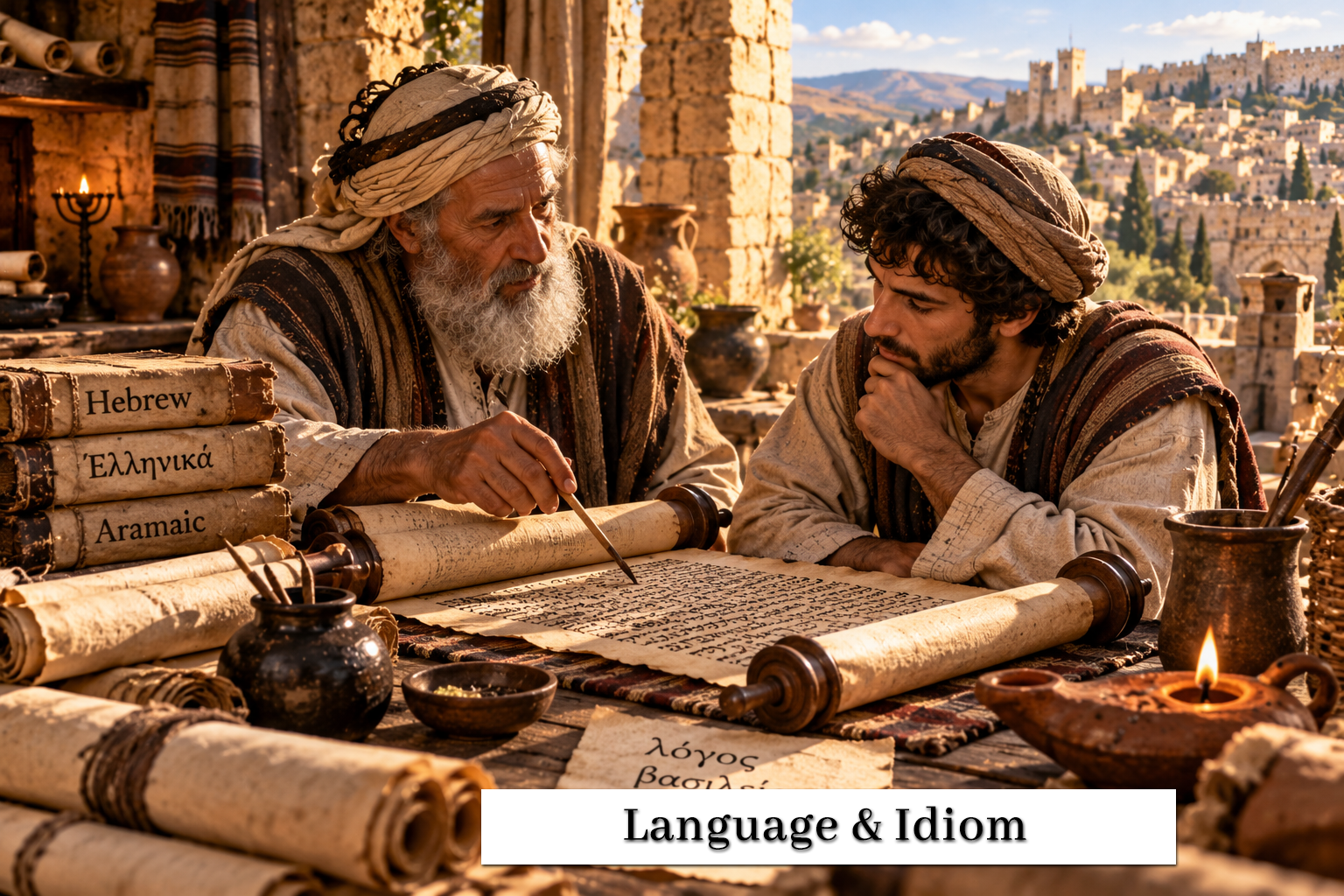
The statement is an example of hyperbole, intentional exaggeration used for emphasis rather than a literal calculation of physical book capacity. Such expansive rhetoric was familiar in ancient writing and remains recognizable in ordinary speech. The Greek word translated "books" refers to written works or scrolls.
The image magnifies the abundance of Jesus' activity while simultaneously reminding readers that the Gospel has recorded only a chosen portion of it.
Why It Matters
Reading the line as hyperbole preserves its literary force. John does not end with a technical claim about the dimensions of the world; he ends by declaring that the story he has written cannot exhaust the significance and activity of Jesus.