The Miraculous Draught of Fishes
Luke 5:1–11
Jesus calls Simon Peter, whose miraculous catch reveals the authority of the one he is called to follow.

Few rooms have shaped the history of Christian art as profoundly as the Sistine Chapel. Within the Vatican’s Apostolic Palace, generations of artists created a sweeping visual account of Scripture, from the life of Moses and the ministry of Jesus to the witness of the apostles and the final judgment of humanity.
The chapel is also a living place of Catholic worship and papal history. Its frescoes were made to be seen during prayer and ceremony, not merely admired as paintings. This introduction follows the chapel’s development across five centuries and leads into our illustrated, interactive tour of its remarkable artwork.
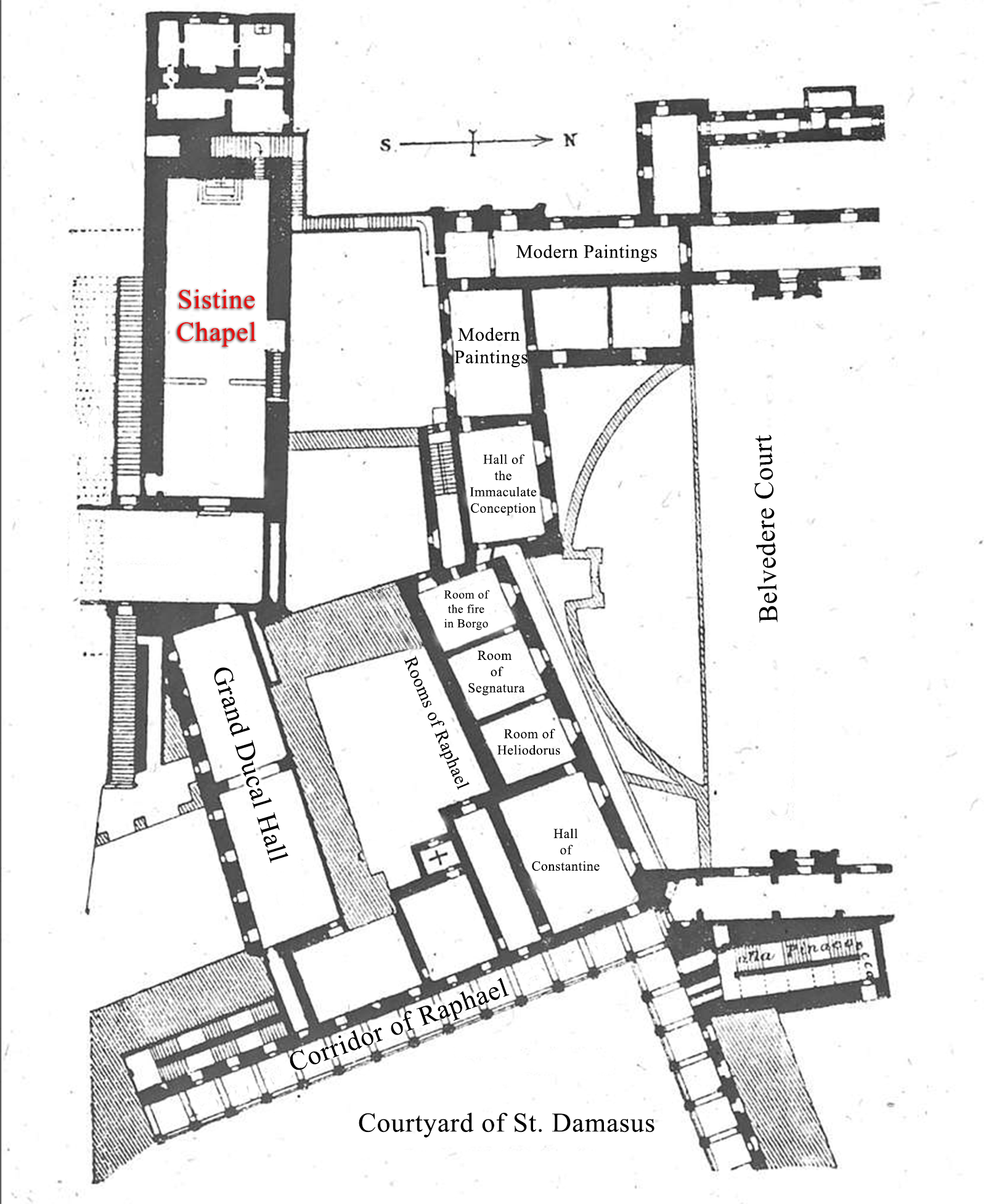
Visit the interactive floor plan, then select a wall, the ceiling, or an individual work of art to discover its story.
Enter the Interactive Chapel Tour »The Sistine Chapel owes its name to Pope Sixtus IV, who undertook the rebuilding of the earlier papal chapel known as the Cappella Magna. Work took place during the later 1470s and was substantially complete by the beginning of the 1480s. On August 15, 1483, Sixtus consecrated the chapel in honor of the Assumption of the Virgin Mary.
The project served both worship and the public responsibilities of the papacy. Here the pope and his household could gather for solemn liturgies, surrounded by imagery that proclaimed the continuity of God’s work from Israel to the Church. Its architecture was deliberately dignified rather than ostentatious: the great drama would unfold upon the walls and ceiling.
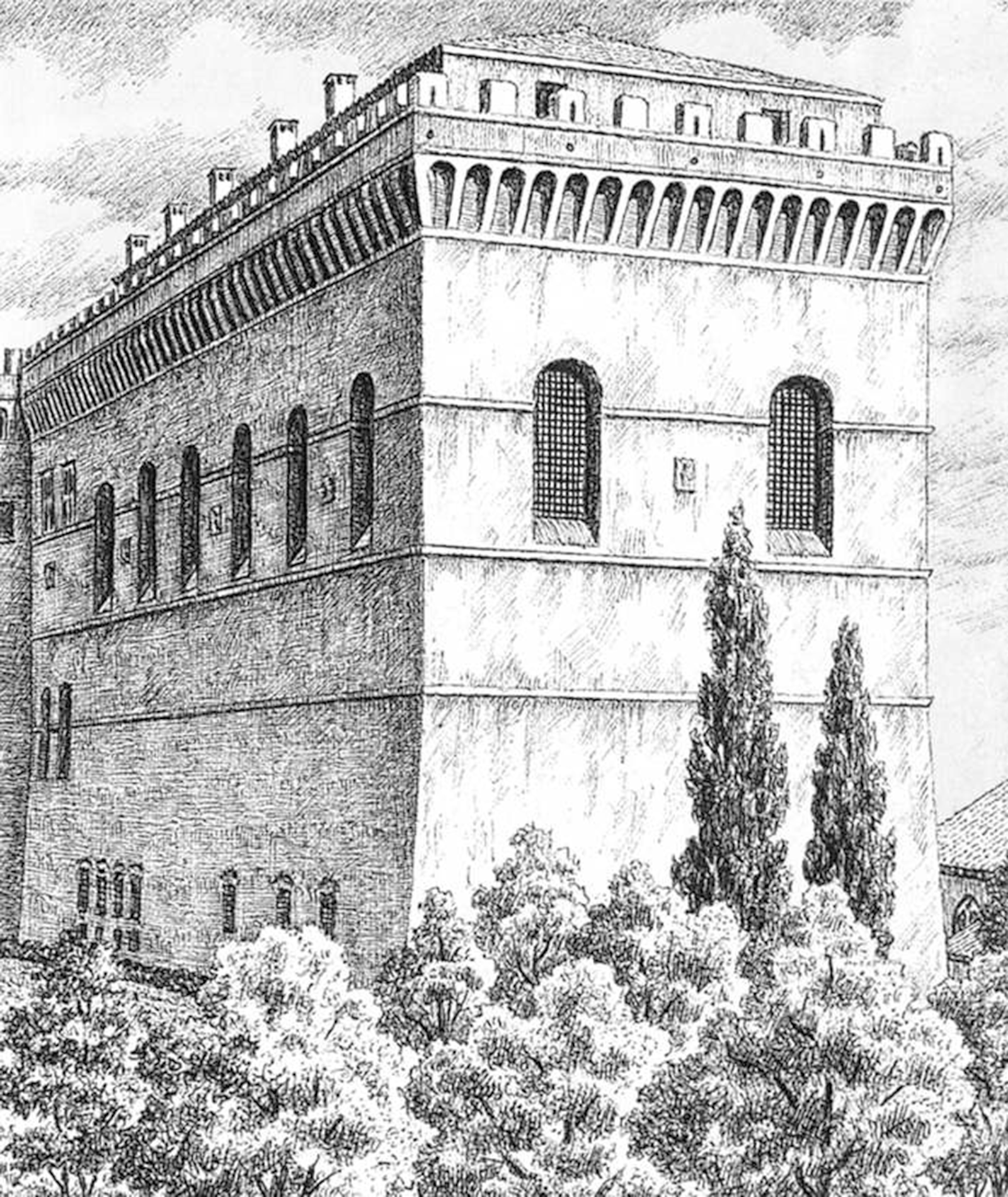
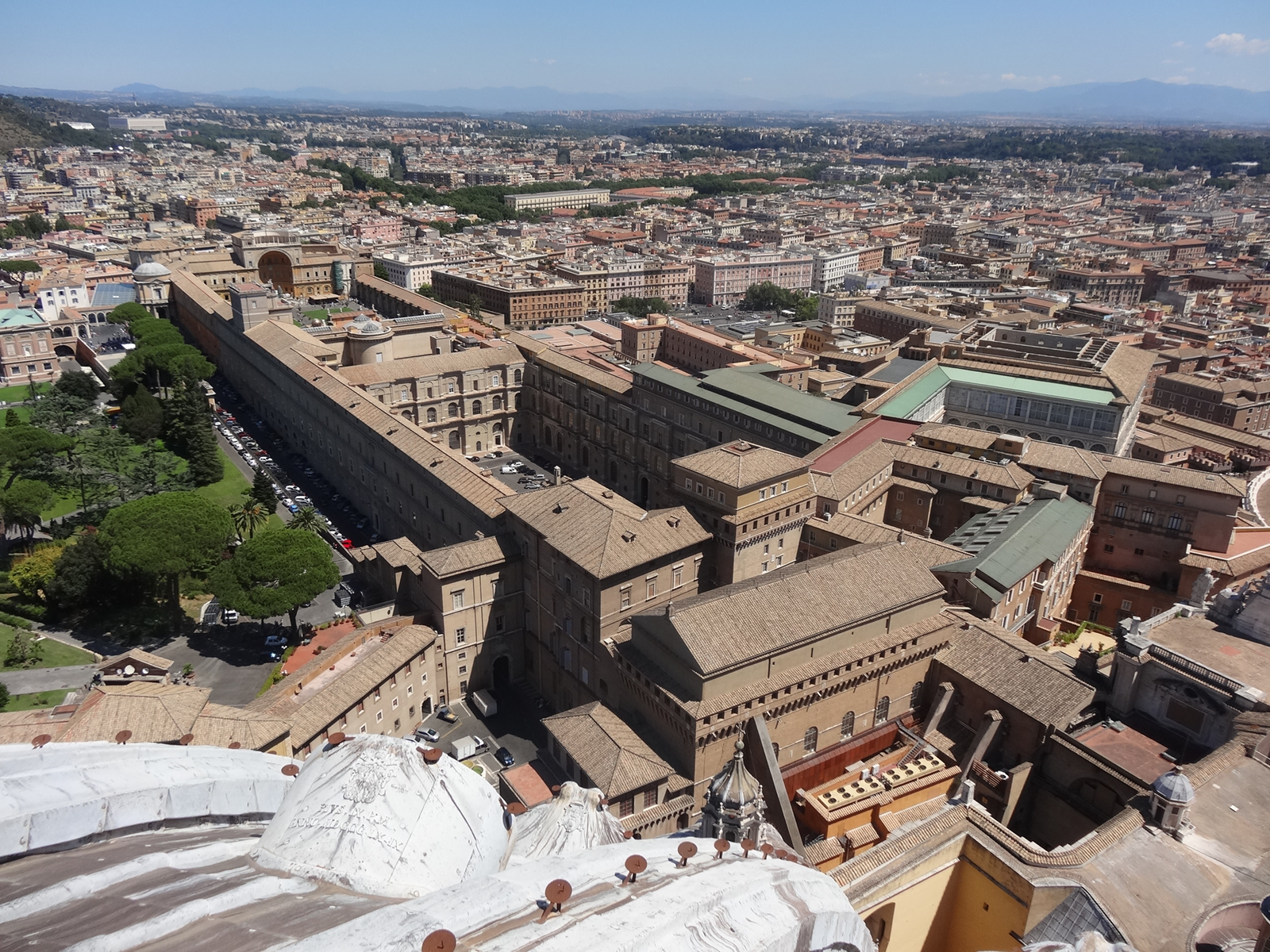
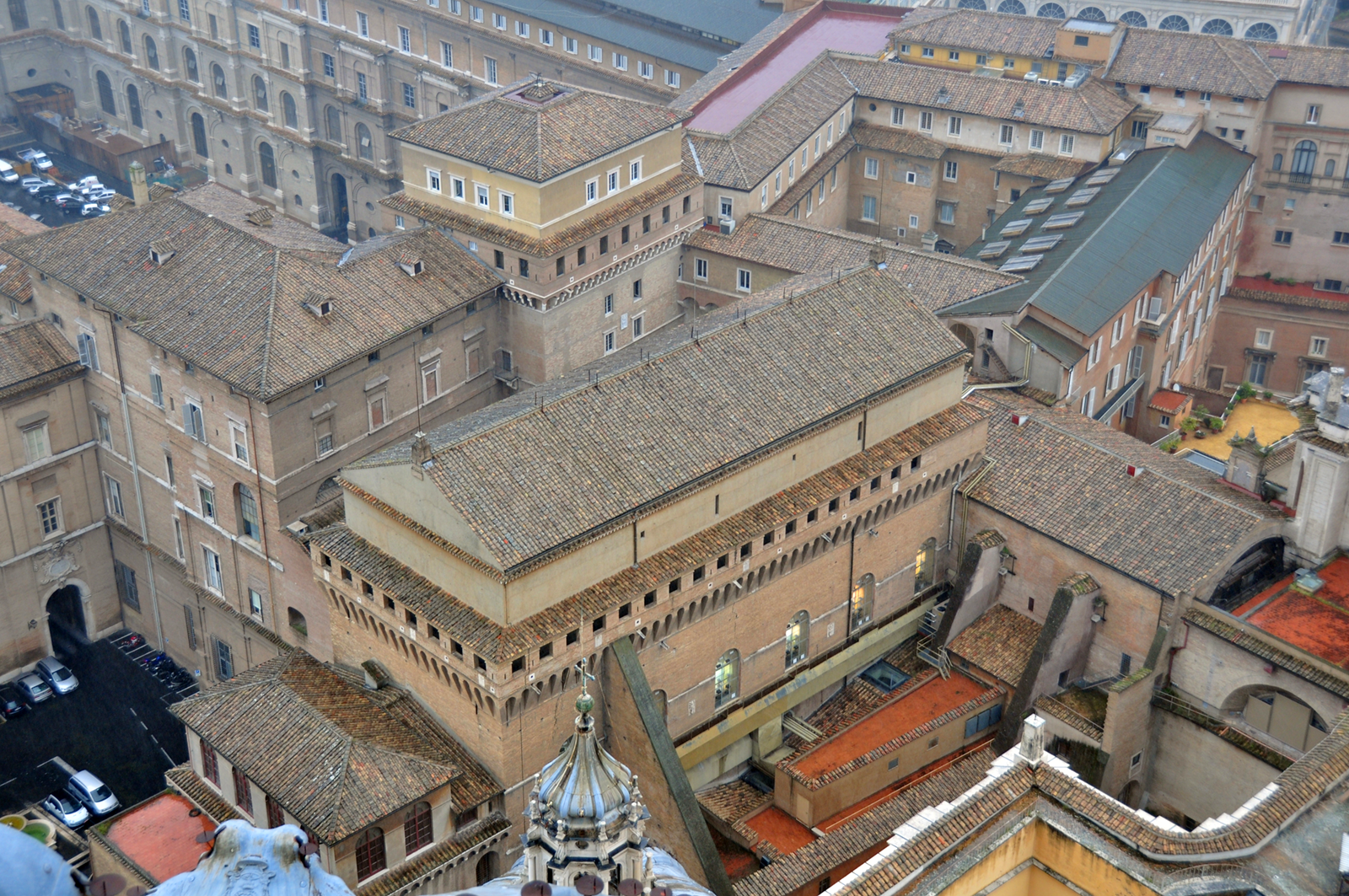
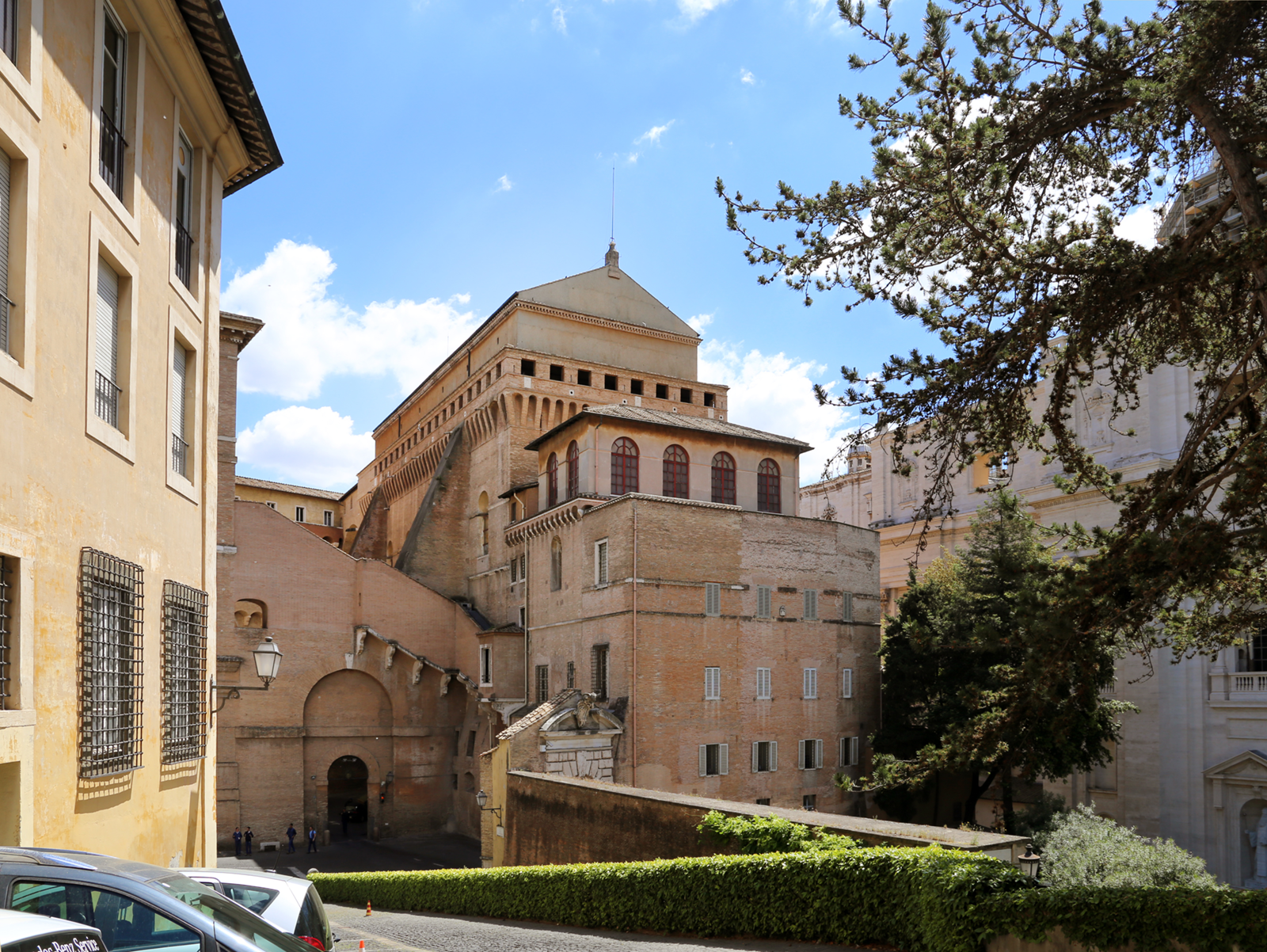
Within the Apostolic Palace, the chapel is a long rectangular space, approximately 40.9 meters in length, 13.4 meters in width, and 20.7 meters high. Tall windows illuminate the upper walls, while the floor, screen, and choir furnishings reflect its continuing ceremonial use. The exterior is comparatively plain, a striking contrast to the richly painted interior.
The room’s proportions give its decoration an unusually clear order. The lower wall once presented painted imitations of hanging fabrics. Above them are the great narratives of Moses and Christ, and higher still are portraits of early popes. Michelangelo later transformed the vault, while Raphael’s woven scenes were made to hang along the lower walls during important ceremonies.
In 1481, a distinguished group of painters came to decorate the chapel. Pietro Perugino, Sandro Botticelli, Domenico Ghirlandaio, and Cosimo Rosselli worked with their workshops and collaborators, including artists such as Biagio di Antonio, Bartolomeo della Gatta, and Luca Signorelli. Their work was substantially completed in 1482.
Although each painter had a recognizable style, the wall paintings were designed as a coordinated program. Shared horizons, architectural settings, and carefully arranged figures help the viewer read one scene alongside another. The result was not merely a display of artistic achievement, but a visual account of biblical history prepared for worship in the pope’s chapel.
The first ceiling was simpler than the one visitors know today: Pier Matteo d’Amelia painted it as a star-filled sky. The immense scenes now overhead belonged to a later generation.
The long south wall recounts events from the life of Moses, while the north wall presents scenes from the life of Jesus. Their placement invites comparison. Moses leads Israel under God’s covenant; Jesus announces the kingdom of God and brings the promises of Scripture to fulfillment. The two narratives were intended to be read together.
This relationship between the Testaments is central to the chapel’s meaning. The artists depicted familiar places, garments, and buildings from their own Renaissance world, but the underlying message was biblical. Across the room, scenes of law, calling, temptation, leadership, and divine authority answer one another. The portraits of the popes above the narratives further express the Catholic understanding of continuity in the Church.
Our interactive tour allows visitors to examine these frescoes individually, with their biblical subjects and historical context.
Explore the South Wall: Moses · Explore the North Wall: Jesus
Pope Julius II commissioned Michelangelo Buonarroti to repaint the chapel’s vault in 1508. Michelangelo was celebrated chiefly as a sculptor, yet he accepted a task that demanded extraordinary invention and endurance. Working high above the chapel floor, he developed an immense composition in fresco, painting upon fresh plaster in successive sections.
At its center are nine scenes from Genesis, moving from God’s creation of the world through Adam and Eve to the story of Noah. Around them stand prophets and sibyls, figures presented as witnesses to the expectation of salvation. The painted architecture, powerful human bodies, and varied scenes transform the ceiling into a vast drama of creation, sin, judgment, and hope.
The Creation of Adam has become one of the most recognizable images in Western art. Yet it is only one moment in a much larger theological vision. The entire ceiling asks the viewer to consider humanity’s dependence upon God and the unfolding purpose of redemption. The work was completed in October 1512 and inaugurated on November 1.
Explore Michelangelo’s Ceiling
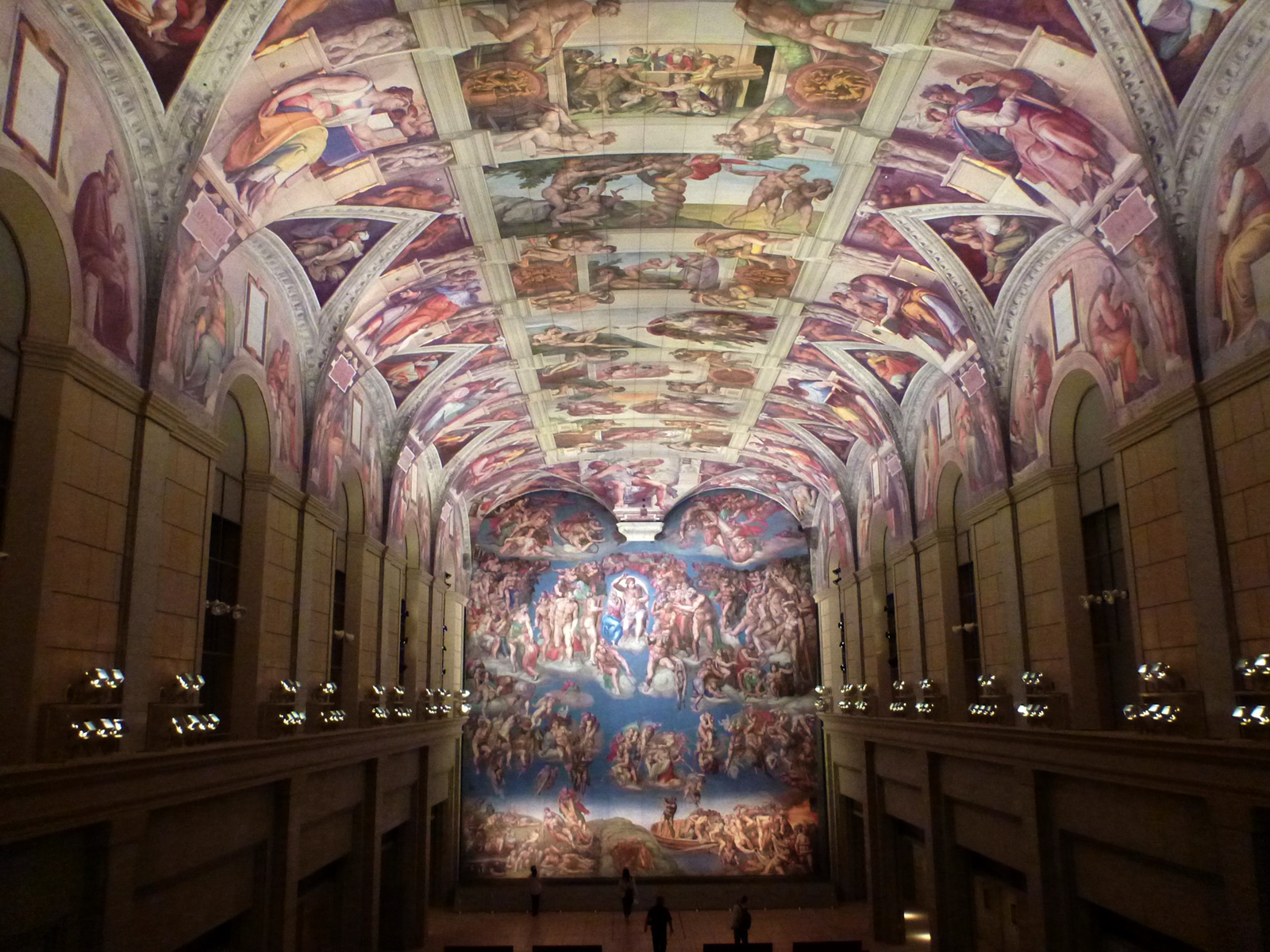
More than twenty years after finishing the ceiling, Michelangelo returned to the chapel to paint the altar wall. Pope Clement VII initiated the commission, and Pope Paul III carried it forward. The new fresco, The Last Judgment, was executed between 1536 and 1541, replacing portions of the earlier decoration.
At the center stands the risen Christ, whose commanding gesture gives motion to the immense gathering of humanity. Around him are saints and martyrs; below, the dead rise, the saved are drawn upward, and the condemned descend. Michelangelo presents the final judgment not as a quiet arrangement of figures, but as an overwhelming encounter with divine justice.
The painting provoked admiration and controversy, particularly over its nudity and its dramatic treatment of sacred figures. Later alterations covered some of the figures. Nevertheless, it remains one of the most searching visual meditations on accountability, mercy, and the end of human history.
After Michelangelo’s ceiling was completed, Pope Leo X commissioned Raphael to design a series of tapestries for the lower walls of the chapel. These were not ordinary decorations. They were monumental woven pictures illustrating the ministries of the apostles Peter and Paul, and they extended the chapel’s biblical story from the life of Christ into the beginnings of the Church.
Raphael and his assistants prepared large, full-scale painted designs called cartoons. They were sent to Brussels, where the skilled workshop of Pieter van Aelst translated them into tapestries of wool and silk, enriched with precious threads. Weaving required exceptional care: the finished image was reversed from the cartoon, and the subtle modeling of a painting had to be expressed through colored threads.
Seven of the ten tapestries were displayed in the chapel in December 1519. The remaining three arrived by 1521. They were hung for major ceremonies rather than left permanently in place. The original order in which Raphael intended them to be displayed is uncertain, so the gallery below groups the ten subjects for easy reading rather than claiming to reconstruct their original positions.
The biblical sequence begins with Peter’s calling and ministry, then follows the spread of the Gospel through Paul. Together, the tapestries reinforce a central theme of the chapel: the God who called Israel and sent Jesus also established a community to bear witness to Christ.
Click an image to enlarge it. These images are drawn from AVWJ’s published Bible Art collection; some represent surviving tapestries or later reproductions rather than Raphael’s original cartoons.
Luke 5:1–11
Jesus calls Simon Peter, whose miraculous catch reveals the authority of the one he is called to follow.

John 21:15–19
The risen Jesus commissions Peter to care for his flock.

Acts 3:1–10
Peter and John heal a man at the Temple gate in the name of Jesus Christ.

Acts 5:1–11
The early church confronts deceit within its own fellowship.

Acts 7:54–8:1
Stephen bears witness to Christ while Saul watches the first Christian martyrdom.

Acts 9:1–19
The persecutor Saul encounters the risen Jesus on the road to Damascus.

Acts 13:6–12
Paul confronts a magician who tries to turn the Roman proconsul from the faith.

Acts 14:8–18
After a healing, Paul and Barnabas reject the crowd’s attempt to worship them as gods.

Acts 16:23–34
Paul and Silas pray in prison; an earthquake opens the way to the jailer’s conversion.

Acts 17:16–34
Paul speaks of the one true God and the resurrection before an Athenian audience.
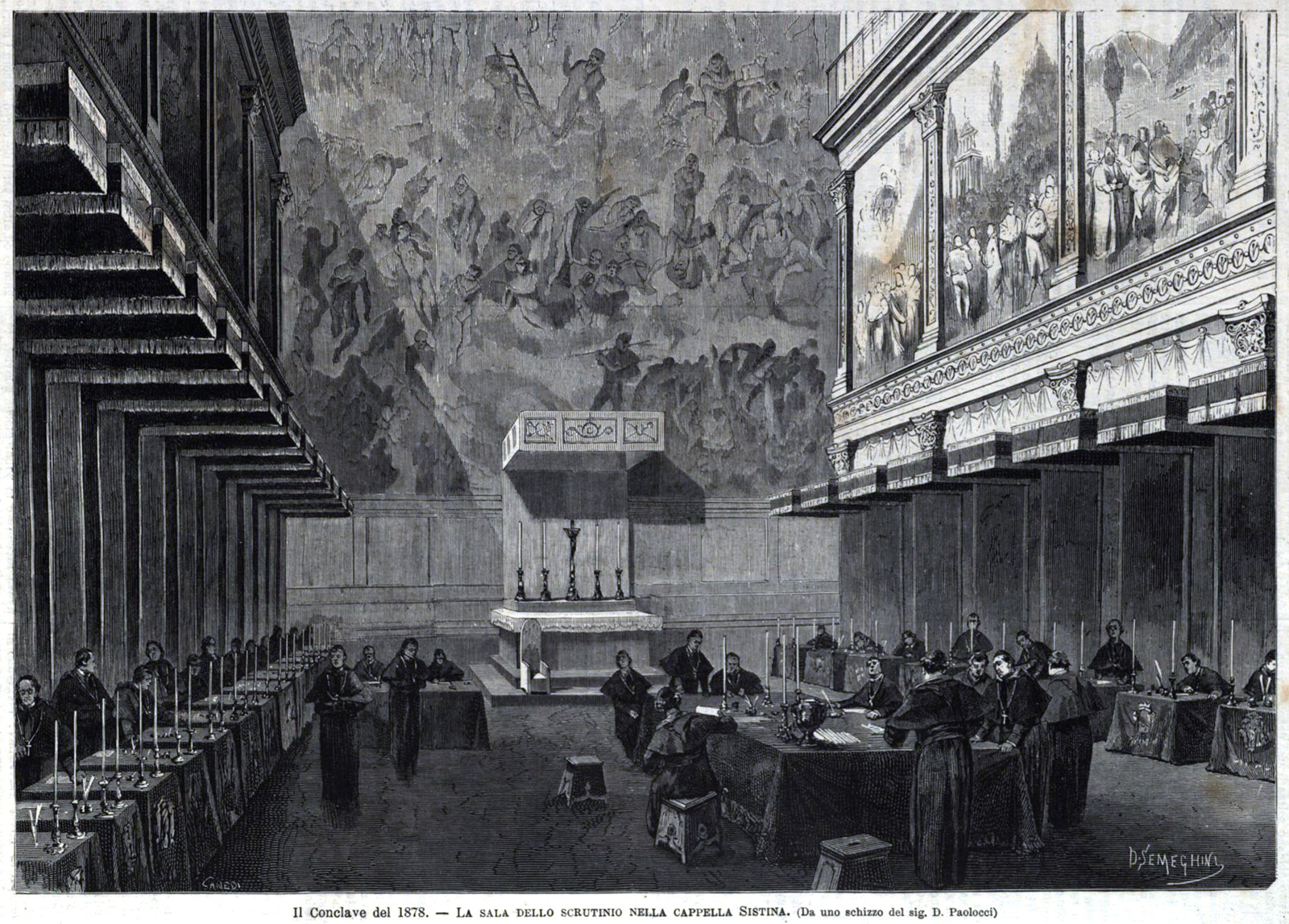
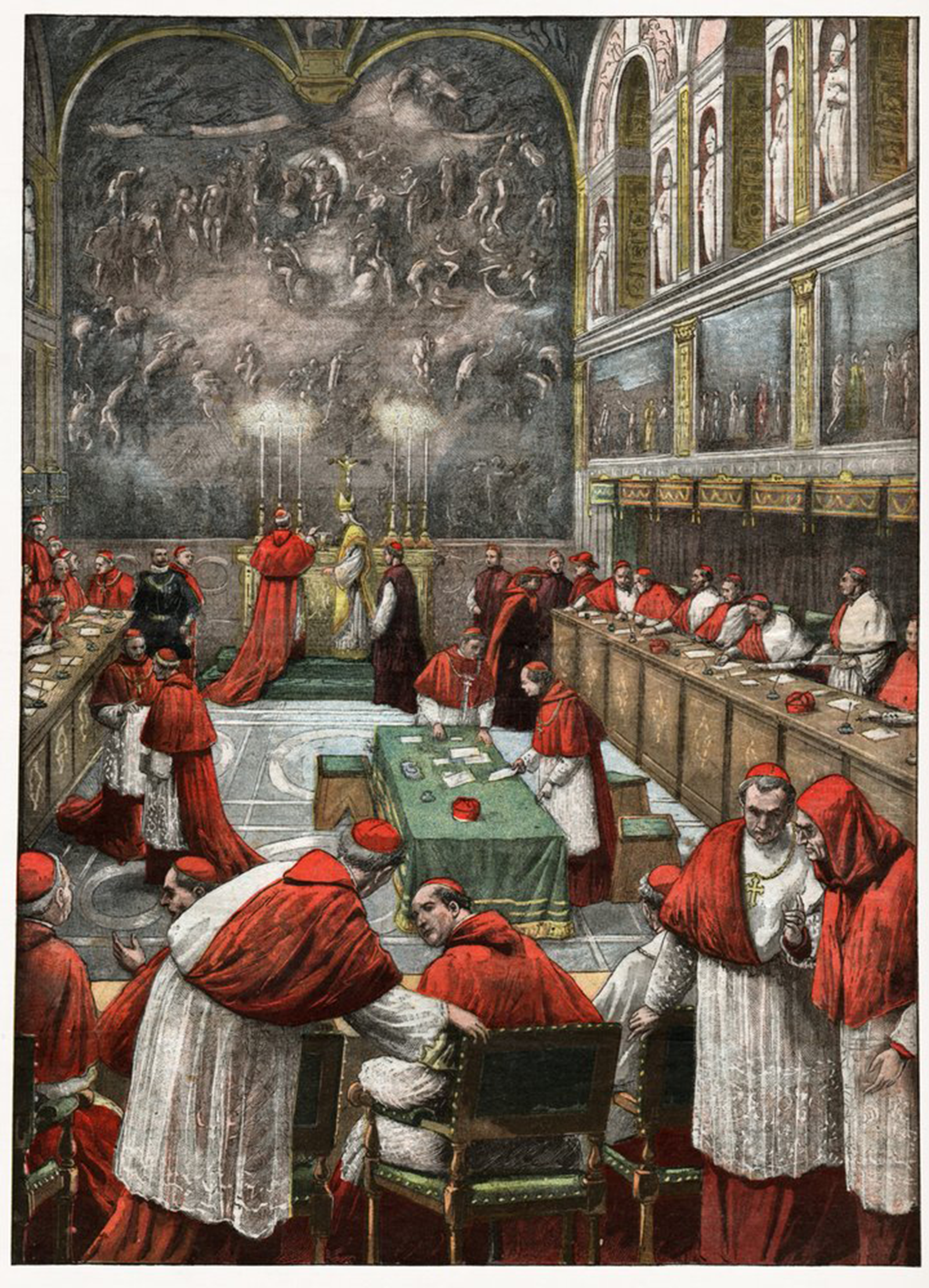
The Sistine Chapel is more than a museum of Renaissance painting. It remains a place where the College of Cardinals gathers to elect a new pope. During a conclave, the cardinals vote in seclusion, following procedures intended to protect the freedom and seriousness of their decision. The setting reminds participants that the office they are filling is understood as a spiritual responsibility.
Historical images reveal how conclaves have changed in outward appearance while retaining their central purpose. The furnishings and voting arrangements of the nineteenth and early twentieth centuries differ from those seen today, yet the chapel continues to be associated with one of the most closely watched decisions in the Catholic Church.
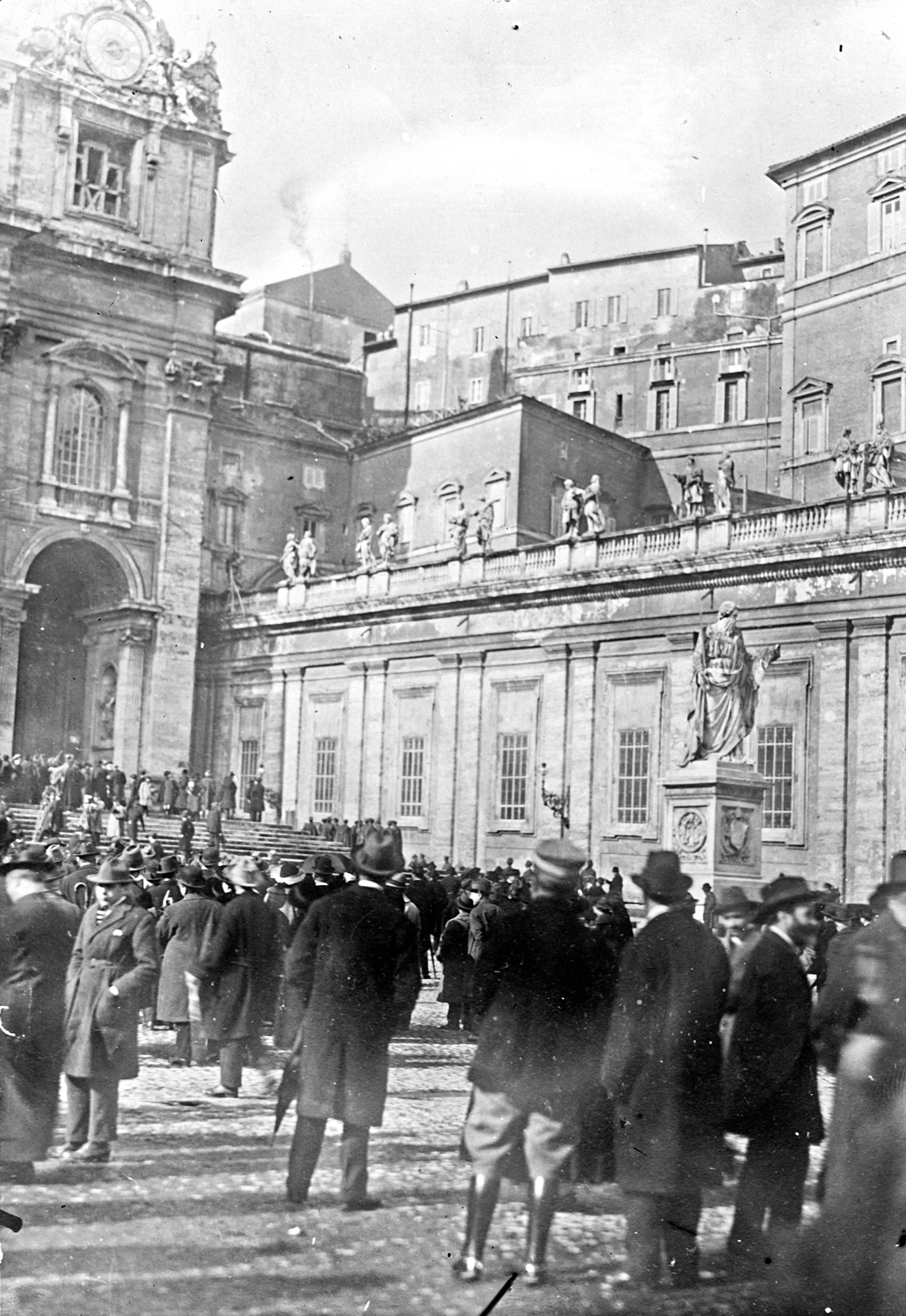
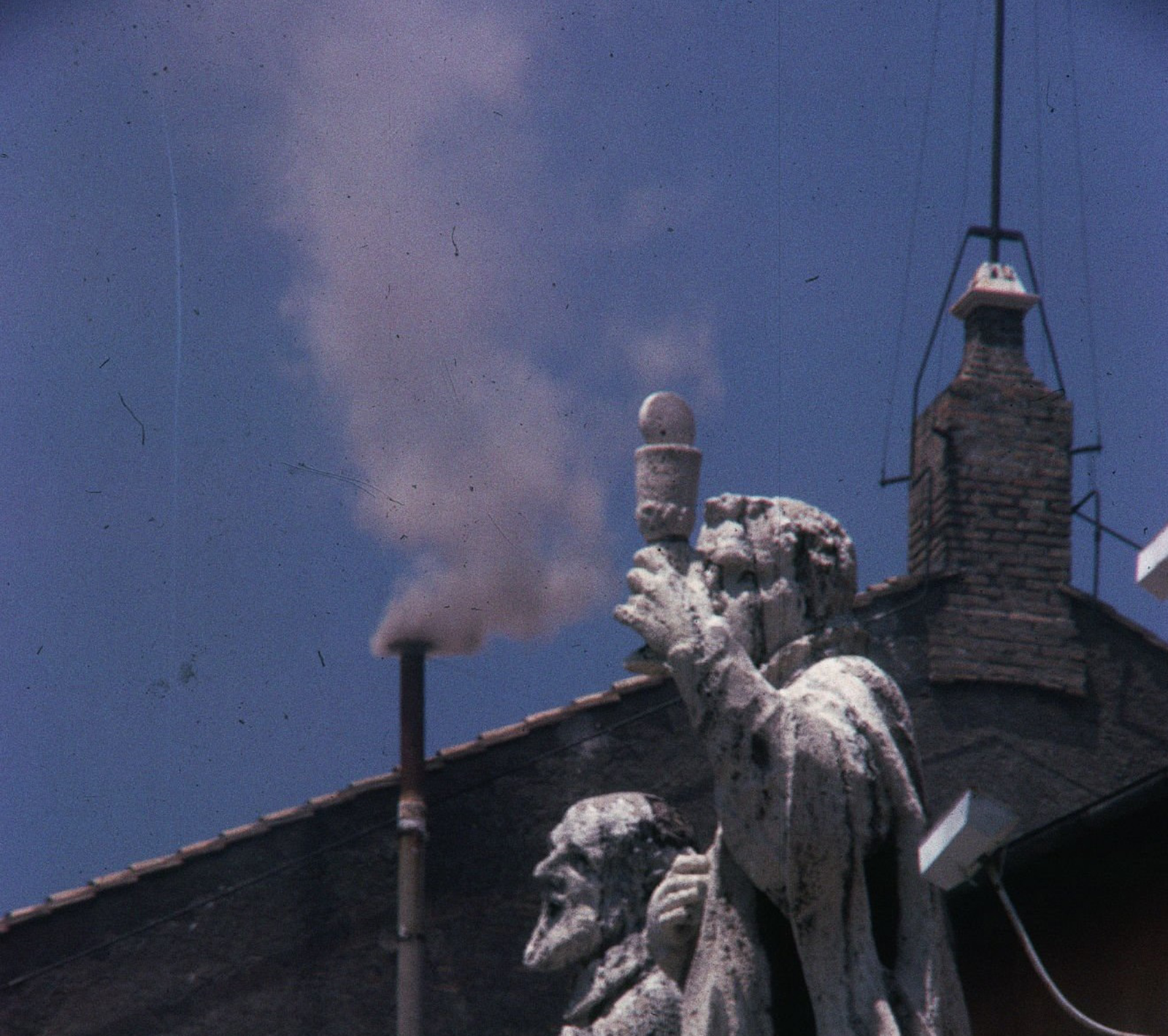
The smoke rising from the chapel chimney has become a familiar sign to people waiting in St. Peter’s Square. Black smoke signals that no pope has yet been elected; white smoke announces a successful election. The images below illustrate the long public history of this practice and the worldwide attention it receives.
Centuries of candle smoke, dust, moisture, and earlier conservation treatments affected the appearance of the frescoes. A major restoration program, carried out principally during the 1980s and early 1990s, removed accumulated deposits and revealed colors that surprised many viewers. The work also prompted debate over how best to distinguish later changes from the artists’ original painting.
Conservators must now balance public access with the protection of fragile surfaces. The chapel receives visitors from around the world, yet it remains a sacred space used for worship and important papal ceremonies. Its paintings are not simply relics of the Renaissance; they continue to communicate the biblical stories and beliefs for which they were made.
For visitors today, the Sistine Chapel offers an unusual experience: a single room where architecture, painting, tapestry, Scripture, and centuries of Christian history meet. Our interactive tour invites you to explore that remarkable achievement scene by scene.
Now explore the frescoes, ceiling, altar wall, and individual artworks in the interactive tour.
Begin the Interactive Tour »© 2026 AVisitWithJesus
"For God so loved the world, that he
gave his only begotten Son,
that whosoever believeth in him should
not perish, but have everlasting life."