
Jesus in Context

Going Up to Jerusalem for Passover

Religious Practice •  John
A Visit With Jesus
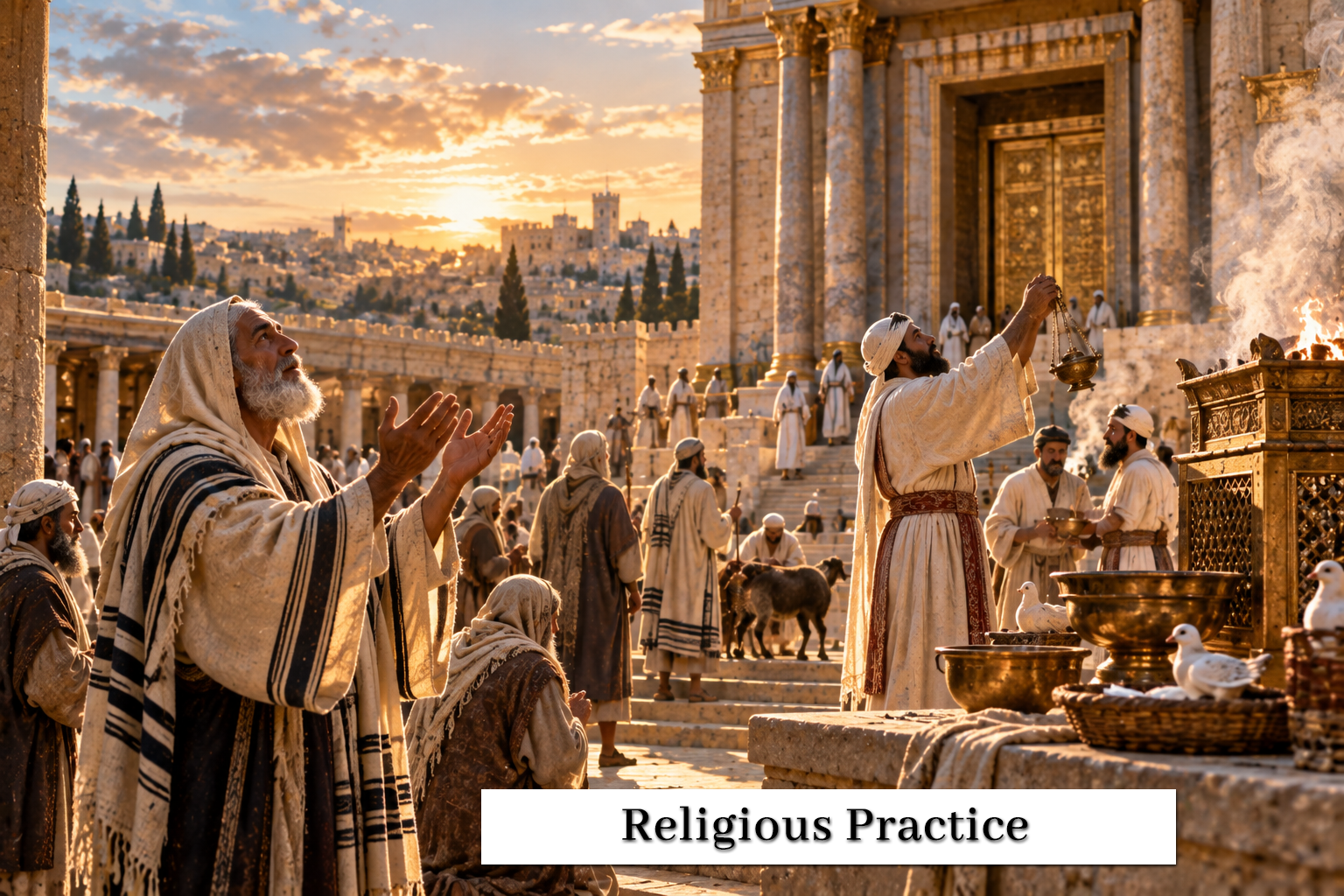
Jesus' journey to Jerusalem for Passover reflects the festival's pilgrimage character and helps explain the crowded Temple setting that follows.
Religious Practice

Introduction

John says that Passover was near and Jesus 'went up to Jerusalem.' The movement is both geographical and religious: Jerusalem stands in the Judean hills and the Temple was the focal point of Passover pilgrimage.

The festival setting immediately frames Jesus' actions in the Temple.

Historical and Cultural Context

Passover commemorated Israel's deliverance from Egypt and was one of the great pilgrimage festivals associated with worship at Jerusalem. Large numbers of pilgrims traveled to the city, creating needs for lodging, food, sacrificial animals, currency exchange, and access to the Temple precincts.

John uses several Passovers to structure Jesus' ministry, making festival time especially important to the chronology and symbolism of the Gospel.

Why It Matters

The pilgrimage context explains why the Temple would be crowded with worshipers and with services supporting sacrificial activity. Jesus' confrontation occurs at the center of national religious life during one of its most important seasons.

It also establishes a pattern in John: Jewish festivals provide historical settings in which Jesus' identity and mission are progressively disclosed.

Scripture References

Related Places

Related Customs