
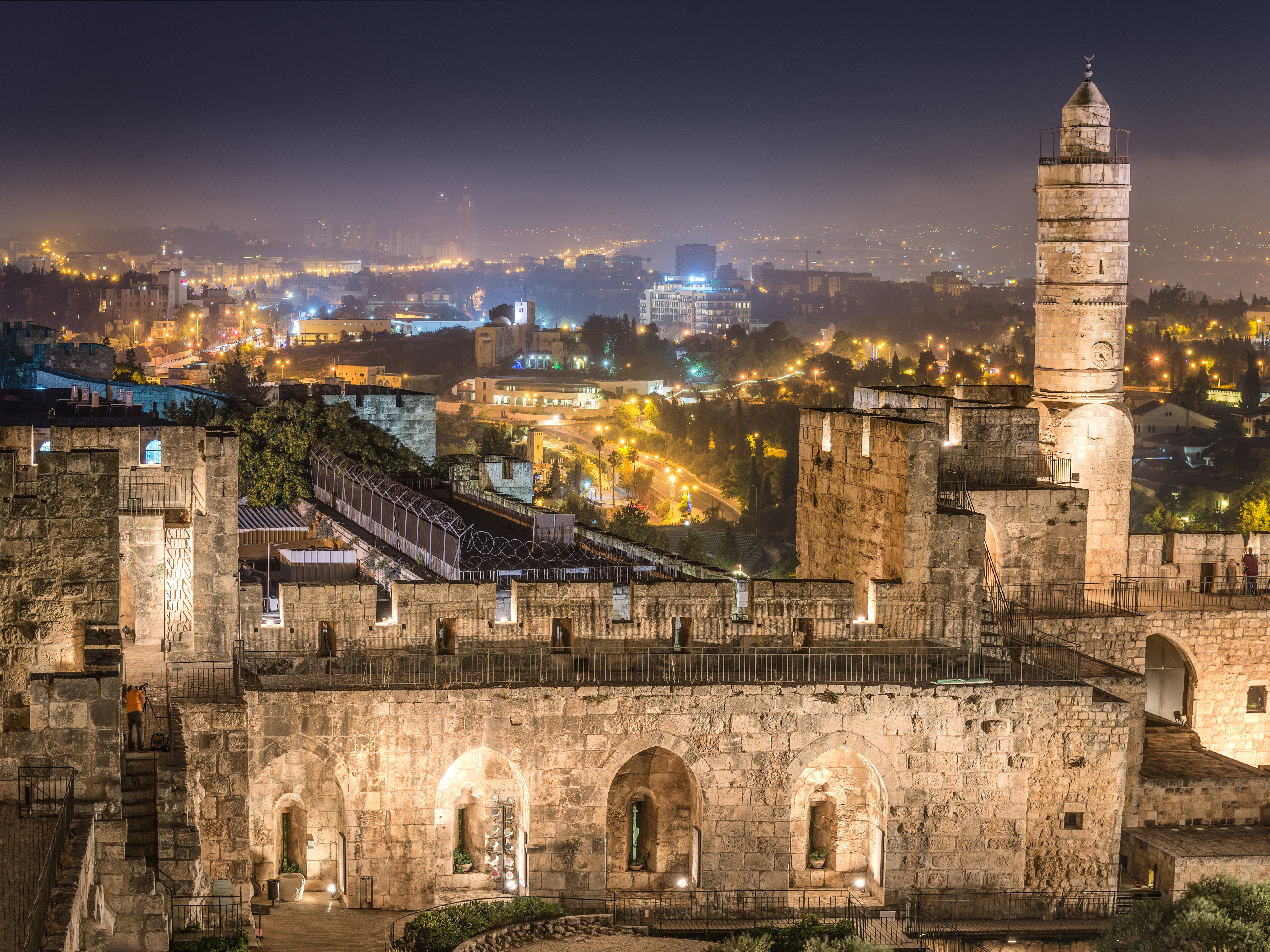
Bible Location

Jerusalem

A Visit With Jesus

Jerusalem is the central city of biblical history and one of the most significant religious cities in the world. Situated in the Judean hill country, it became Israel's political and religious capital under David and Solomon.

David captured the Jebusite city and established his capital there. Solomon built the First Temple, making Jerusalem the principal center of Israelite worship. After the Babylonian destruction, returning exiles rebuilt the city and Temple.

In the New Testament, Jerusalem forms the setting for major events in the life, death, resurrection, and ascension of Jesus and for the birth and earliest growth of the Christian church.

Jerusalem

Biblical Significance

Jerusalem appears in biblical tradition before David, including the account of Melchizedek king of Salem in Genesis 14. By the time of the conquest, Jerusalem was a Canaanite city associated with the Jebusites.

David captured Jerusalem and made it the capital of his kingdom. He brought the Ark of the Covenant into the city, and Solomon later constructed the Temple there. Jerusalem thereby became both the political center of the Davidic monarchy and the principal sanctuary of Israel.

The prophets repeatedly addressed Jerusalem, warning of judgment while also proclaiming promises of restoration. Babylon destroyed the city and First Temple in 586 BC. Jewish exiles later returned, rebuilt the Temple, and restored Jerusalem's walls.

Jesus visited Jerusalem throughout His ministry and entered the city shortly before Passover in the final week of His earthly life. His trial, crucifixion, burial, and resurrection occurred there. Acts records the coming of the Holy Spirit at Pentecost and the establishment of the earliest Christian community in Jerusalem.

Historical Background

The earliest urban settlement of Jerusalem developed on the southeastern ridge above the Gihon Spring, south of the area later occupied by the Temple Mount. This ridge is commonly called the City of David.

During the monarchic period Jerusalem expanded substantially. Major water systems, fortifications, administrative structures, houses, inscriptions, seals, and other remains provide archaeological evidence for the city's development.

The Babylonian destruction of 586 BC ended the First Temple period. Jerusalem was rebuilt during the Persian and Hellenistic periods and expanded dramatically during the late Second Temple era, particularly under Herod the Great.

Roman forces destroyed Jerusalem and the Second Temple in AD 70 during the First Jewish Revolt. The city was transformed again after the Bar Kokhba revolt in the second century AD, when Hadrian established the Roman colony Aelia Capitolina.

Modern Identification

There is no uncertainty concerning the identification of biblical Jerusalem with modern Jerusalem, but the boundaries and topography of the ancient city changed enormously through time.

The earliest city occupied the southeastern ridge now commonly called the City of David. Later expansion incorporated areas to the west and north, including the Temple Mount and portions enclosed by later walls.

The walls of today's Old City date principally from the Ottoman period and should not be used as the boundaries of Jerusalem in biblical times. Individual biblical events must therefore be located according to the city's geography during the particular historical period concerned.

Related Resources

Sources

Bible: Genesis 14:18-20, Joshua 10, Judges 1, 2 Samuel 5-7, 1 Kings 6-11, 2 Kings 18-25, 2 Chronicles, Ezra, Nehemiah, Psalms, prophetic books, Gospels, Acts; Josephus; archaeological excavations in the City of David, Temple Mount environs, Jewish Quarter, and ancient Jerusalem; Babylonian and Assyrian historical records