Bible Figure
Herod Agrippa II

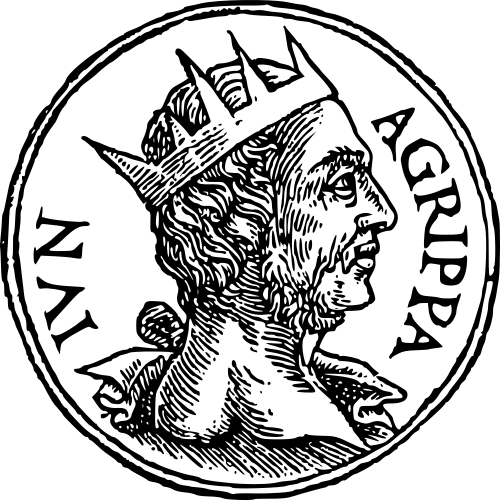
Herod Agrippa II was the son of Agrippa I and a Herodian ruler knowledgeable about Jewish customs and controversies. At Festus' request he heard Paul's defense at Caesarea and concluded with the others that Paul had done nothing deserving death or imprisonment.
Biography
Acts 25-26 records Agrippa II visiting the governor Festus at Caesarea with his sister Berenice. Festus explained that Paul had appealed to Caesar but that he lacked a clear statement of charges to send with the prisoner. Agrippa expressed interest in hearing Paul. In the formal audience Paul respectfully acknowledged Agrippa's expertise in Jewish customs and controversies and recounted his Pharisaic background, persecution of Christians, encounter with Jesus on the Damascus road, and commission to Jews and Gentiles. Paul argued that his message proclaimed nothing beyond what Moses and the prophets said would happen: the Messiah would suffer and, by rising from the dead, proclaim light. Paul directly asked Agrippa whether he believed the prophets. Agrippa responded to Paul's appeal without making a confession of faith. After withdrawing, Agrippa, Festus, Berenice, and the others agreed that Paul had done nothing worthy of death or imprisonment; Agrippa observed that Paul might have been set free if he had not appealed to Caesar.
Biblical Significance
Agrippa II's hearing is one of Acts' climactic examples of apostolic witness before rulers. Paul's defense presents Christianity not as a rejection of Israel's Scriptures but as fulfillment of prophetic hope centered in the suffering and risen Messiah.