Wiki Details

See Map
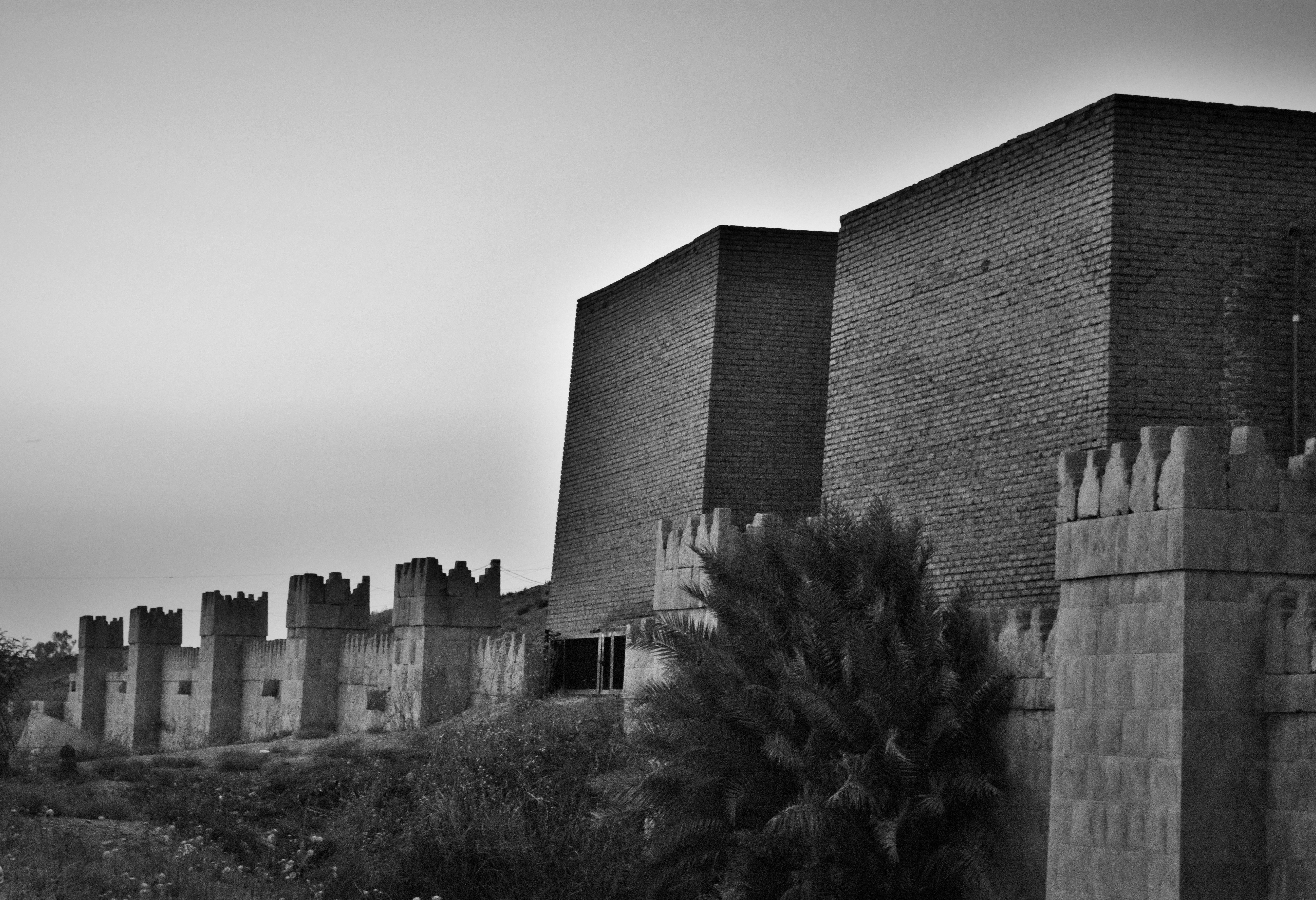
Nineveh was an ancient Near Eastern city of Upper Mesopotamia, located in the modern-day city of Mosul in northern Iraq. It is located on the eastern bank of the Tigris River and was the capital and largest city of the Neo-Assyrian Empire, and potentially the wealthiest city in the ancient world. Today, it is a common name for the half of Mosul that lies on the eastern bank of the Tigris, and the country's Nineveh Governorate takes its name from it.
It was the largest city in the world for approximately fifty years until the year 612 BC when, after a bitter period of civil war in Assyria, it was sacked by a coalition of its former subject peoples including the Babylonians, Medes, and Scythians. The city was never again a political or administrative centre, but by Late Antiquity it was the seat of a bishop of the Church of the East. It declined relative to Mosul during the Middle Ages and was mostly abandoned by the 14th century AD after the massacres and dispersal of Assyrian Christians by Timur.
Its ruins lie across the river from the historical city center of Mosul. The two main tells, or mound-ruins, within the walls are Tell Kuyunjiq and Tell Nabī Yūnus, site of a shrine to Jonah. According to the Hebrew Bible and the Quran, Jonah was a prophet who preached to Nineveh. Large numbers of Assyrian sculptures and other artifacts have been excavated from the ruins of Nineveh, and are now located in museums around the world.
The location of Nineveh was known, to some, continuously through the Middle Ages. Benjamin of Tudela visited it in 1170; Petachiah of Regensburg soon after.
General info from Wikipedia.org