
Jesus in Context

Cups at the Passover Meal

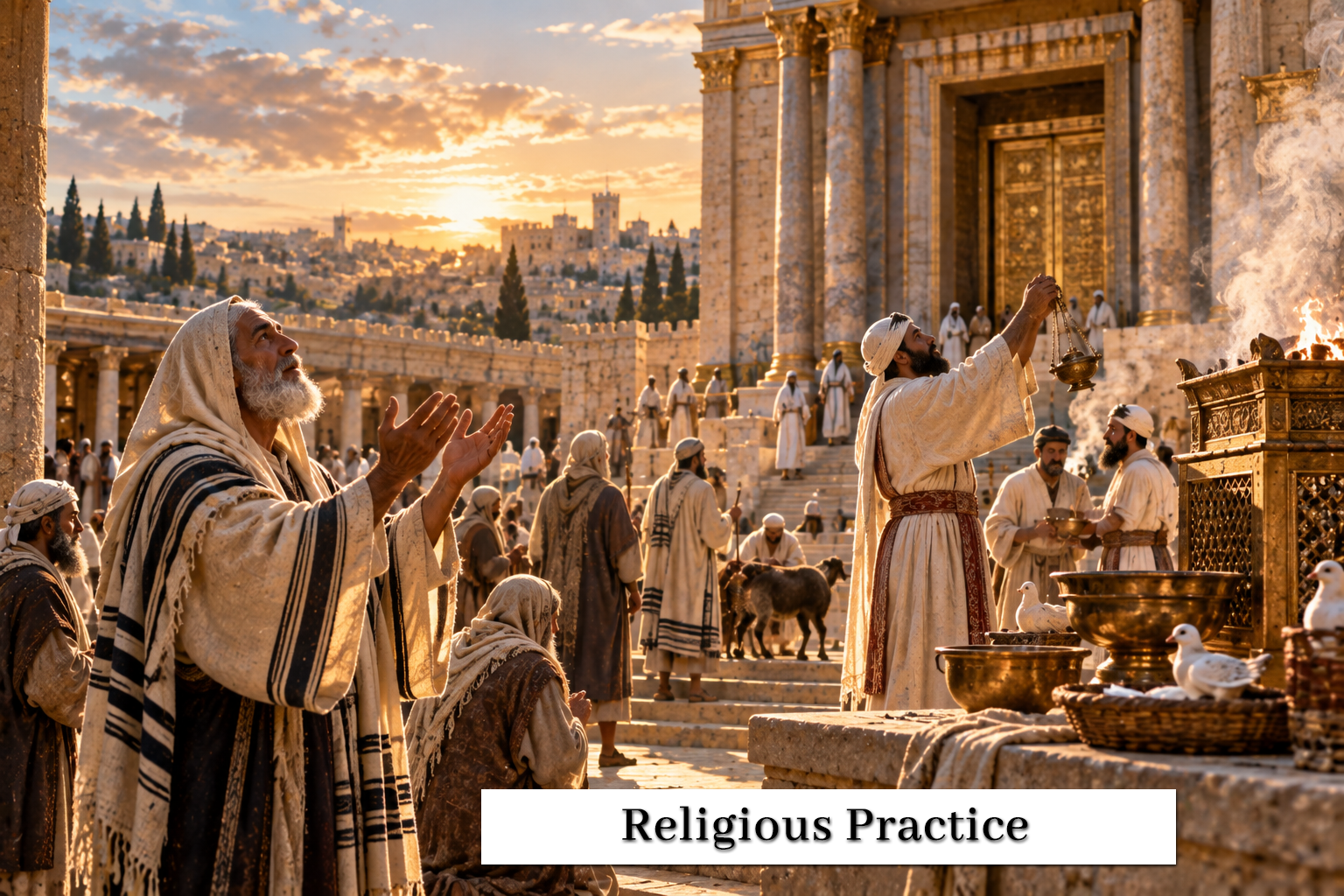
Religious Practice
A Visit With Jesus
Luke mentions cups more than once during the Last Supper, fitting a Passover meal in which wine and blessing formed part of festival observance.
Religious Practice

Introduction

Luke's Last Supper account refers to a cup before the bread and another cup after supper. Readers familiar with later Passover practice often ask which numbered cups these were.

The safest historical observation is that wine and cups belonged naturally to Jewish festival meals, while later fully developed seder sequences should not simply be projected backward in every detail.

Historical and Cultural Context

Wine was a normal part of celebratory meals in the Mediterranean world and became especially associated with Passover observance. Jewish sources from later periods describe multiple cups within the Passover meal, and Luke's account itself clearly attests more than one cup.

Because the surviving detailed seder descriptions are later than the first century, assigning every Gospel action to a fixed later four-cup scheme can claim more precision than the evidence allows.

Why It Matters

The context lets the cup remain genuinely Passover-shaped without requiring speculative reconstruction. Jesus takes familiar elements of a sacred meal and gives them interpretive significance in relation to his approaching death.

That combination of continuity and new meaning is more important than identifying a precise numbered cup for which the Gospel itself gives no label.