
Jesus in Context

The Mina: Money Entrusted for Trade

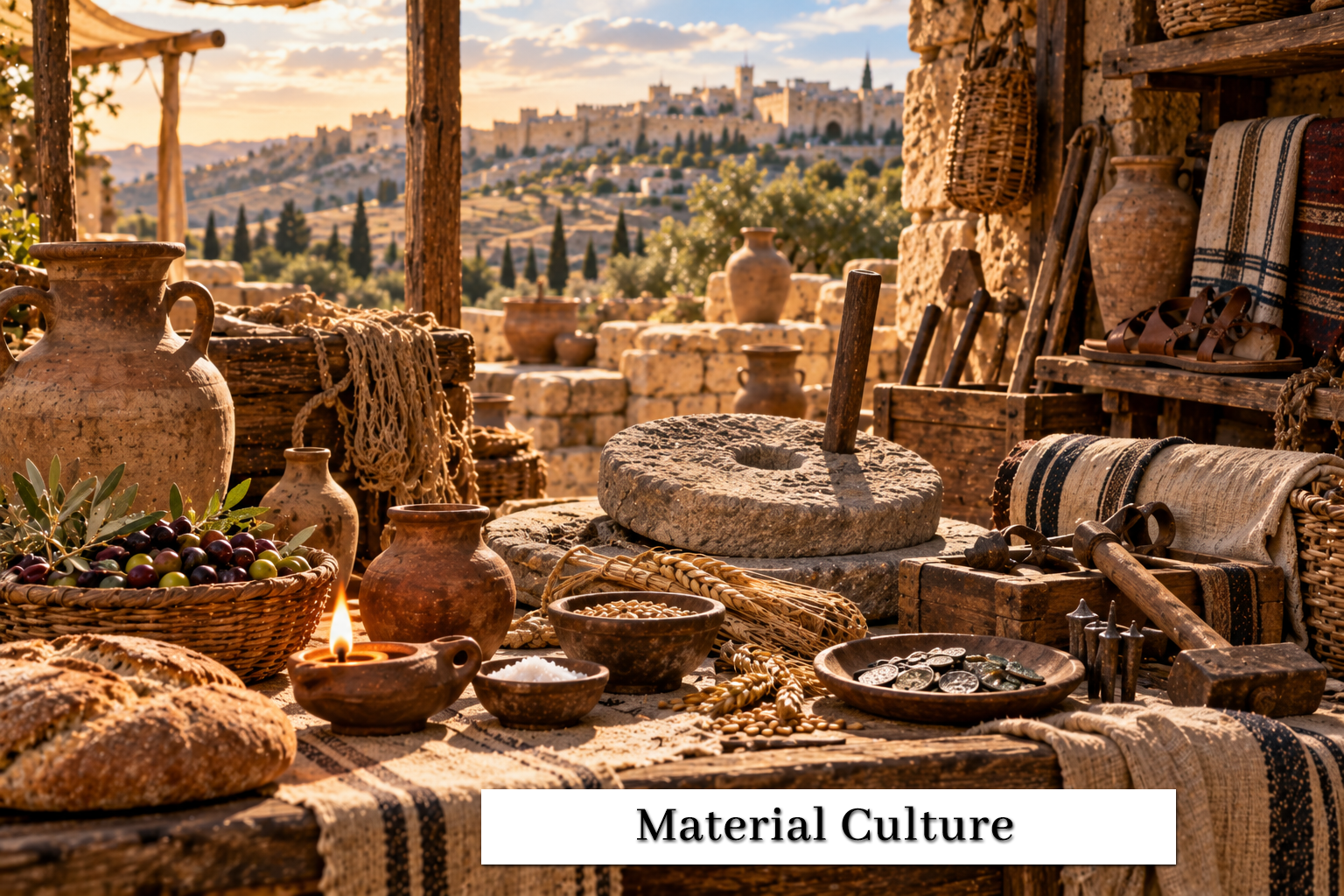
Material Culture •  Luke
A Visit With Jesus
The mina in Jesus' parable is a substantial monetary unit entrusted to servants for productive use, while one servant simply wraps his money in a cloth.
Material Culture

Introduction

The King James command 'Occupy till I come' can mislead modern readers because occupy now usually means to inhabit or possess. In the parable, the servants are told to engage in business with the money entrusted to them.

The unit given to each servant is a mina, an ancient monetary weight rather than a coin denomination familiar to modern readers.

Historical and Cultural Context

A mina represented a significant sum, commonly reckoned at roughly one hundred drachmas or denarii in Hellenistic and Roman-era calculations, though local standards could vary. The servants are expected to trade or conduct business with what they receive.

One servant instead keeps the mina wrapped in a cloth. The Greek term can refer to a handkerchief or cloth; unlike depositing money with bankers, wrapping it protects the object but produces no return.

Why It Matters

The monetary setting emphasizes stewardship during the nobleman's absence. Every servant begins with an entrusted resource and must later account for what was done with it.

Understanding 'occupy' as 'do business' and recognizing the mina as money prevents the parable from becoming an obscure command about possession. The contrast is between active stewardship and fearful nonuse.

Scripture References