Jesus closes the discourse by contrasting peace in him with tribulation in the world. He does not promise the disciples escape from pressure; he tells them to take courage because he has overcome the world.
Jesus in Context
In the World You Shall Have Tribulation

Jesus' promise of 'tribulation' uses a word for pressure and affliction, while his command to take courage rests on his declaration that he has already overcome the world.
Introduction
Historical and Cultural Context
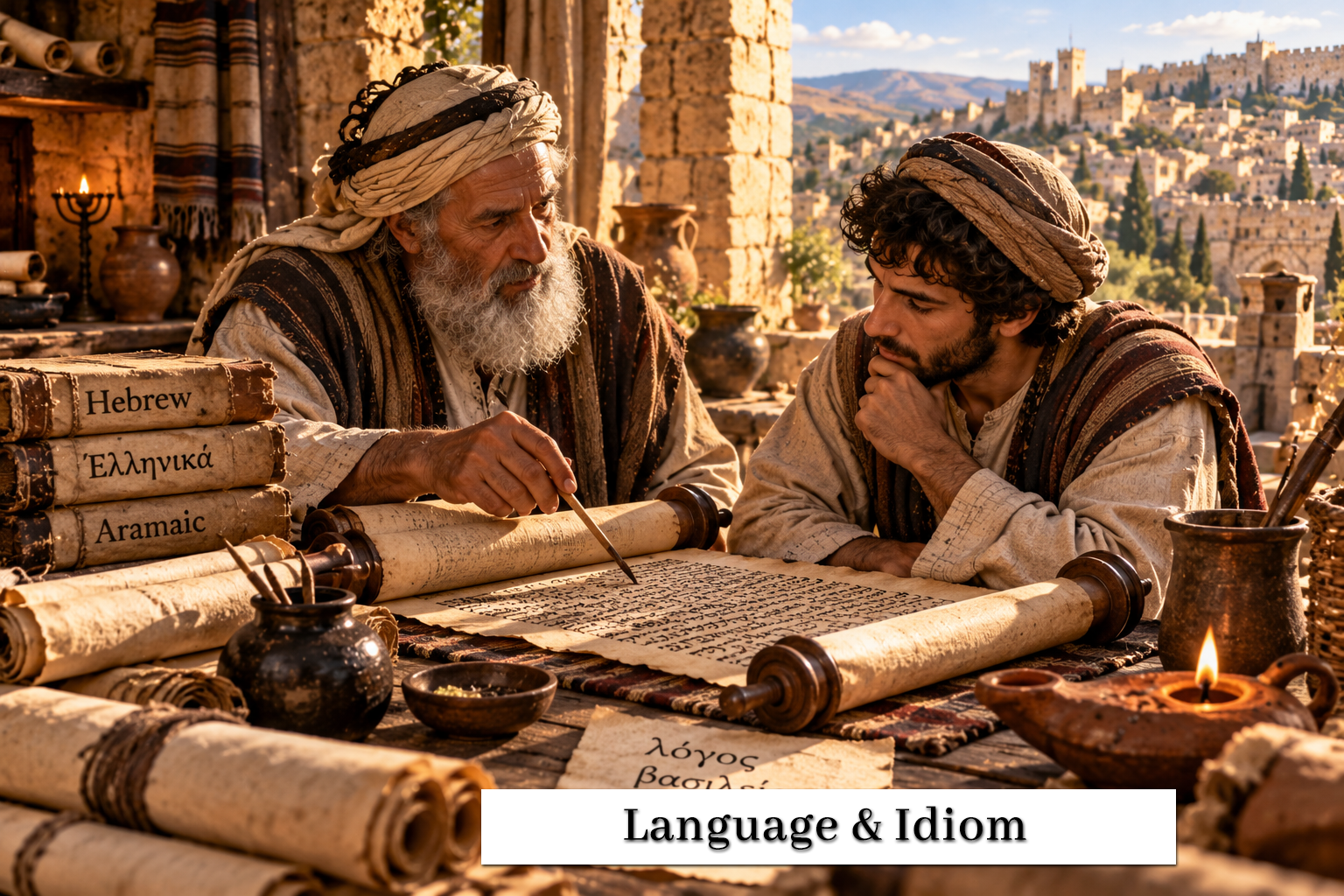
The Greek thlipsis literally evokes pressure and commonly describes affliction, distress, or persecution. 'Be of good cheer' is a call to courage, not cheerful denial of suffering. Jesus then uses a perfect form of nikao, 'overcome' or 'conquer,' presenting his victory as decisive even though arrest and crucifixion are immediately ahead.
Why It Matters
The language overturns ordinary appearances. The coming Passion will look like the world's victory over Jesus, yet Jesus speaks beforehand as the conqueror.
Christian peace in this saying therefore coexists with real affliction; its basis is Jesus' victory rather than favorable circumstances.