John 15 opens with Jesus' statement, 'I am the true vine, and my Father is the husbandman.' The image immediately introduces branches, fruit, pruning, abiding, and the work of the vineyard keeper.
Jesus in Context
I Am the True Vine

Jesus' declaration that he is the true vine draws on everyday vineyard life and Israel's long scriptural use of the vine as an image for God's people.
Introduction
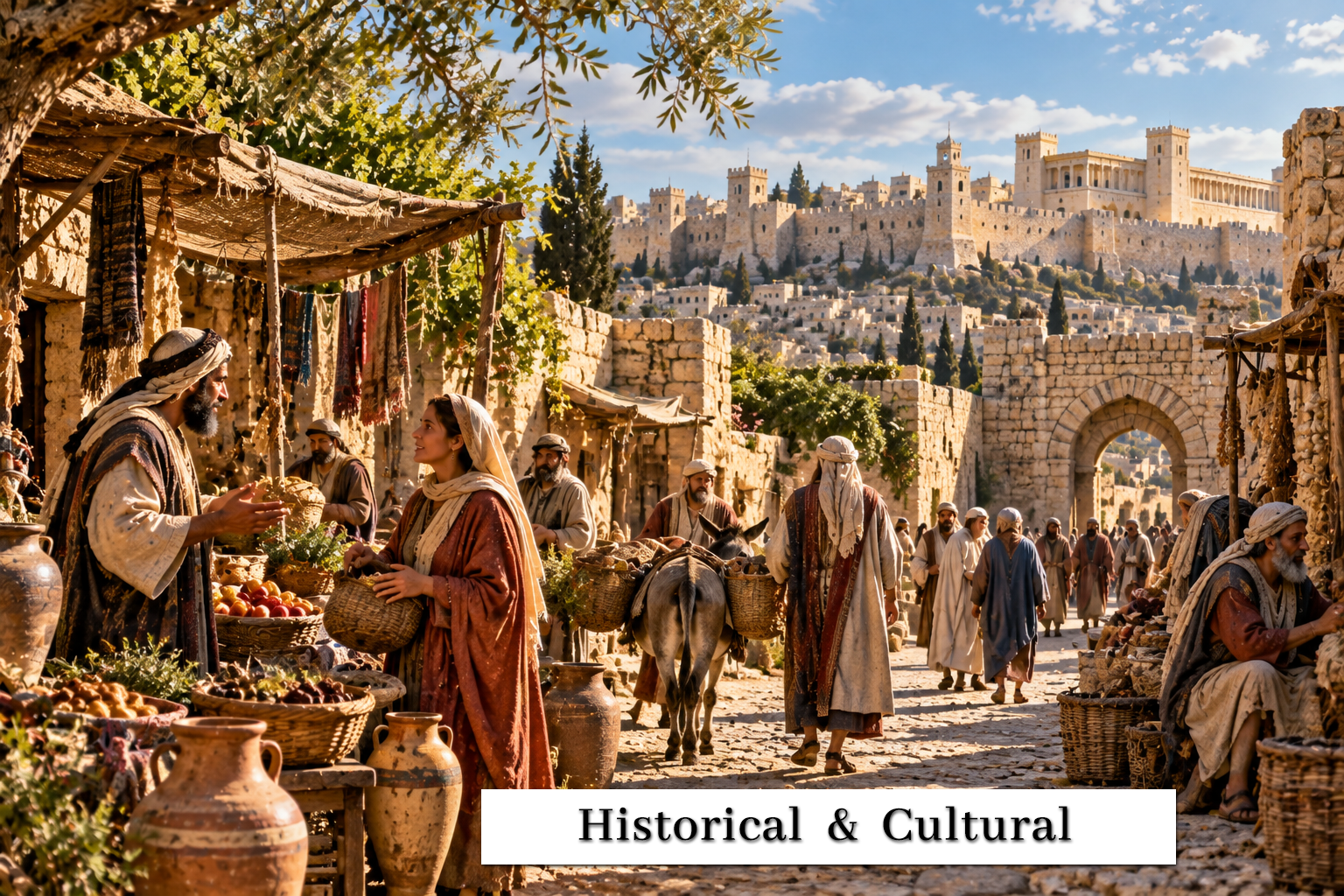
Historical and Cultural Context
Vines and vineyards were familiar throughout ancient Palestine, but the image also carried strong biblical associations. Israel is repeatedly portrayed as God's vine or vineyard in texts such as Psalm 80, Isaiah 5, Jeremiah 2, and Ezekiel. Those passages can combine divine care with disappointment over failed fruit. Against that background, Jesus' identification as the 'true vine' places the life and fruitfulness of God's people in relation to himself, while the Father remains the cultivator.
Why It Matters
The Old Testament background makes the metaphor more than a generic lesson from gardening. Jesus takes up imagery long used for Israel and locates faithful fruit-bearing in union with himself.
The Father tends the vine, Jesus is the vine, and disciples receive life as branches rather than as independent plants.