
Jesus in Context

Resurrection at the Last Day

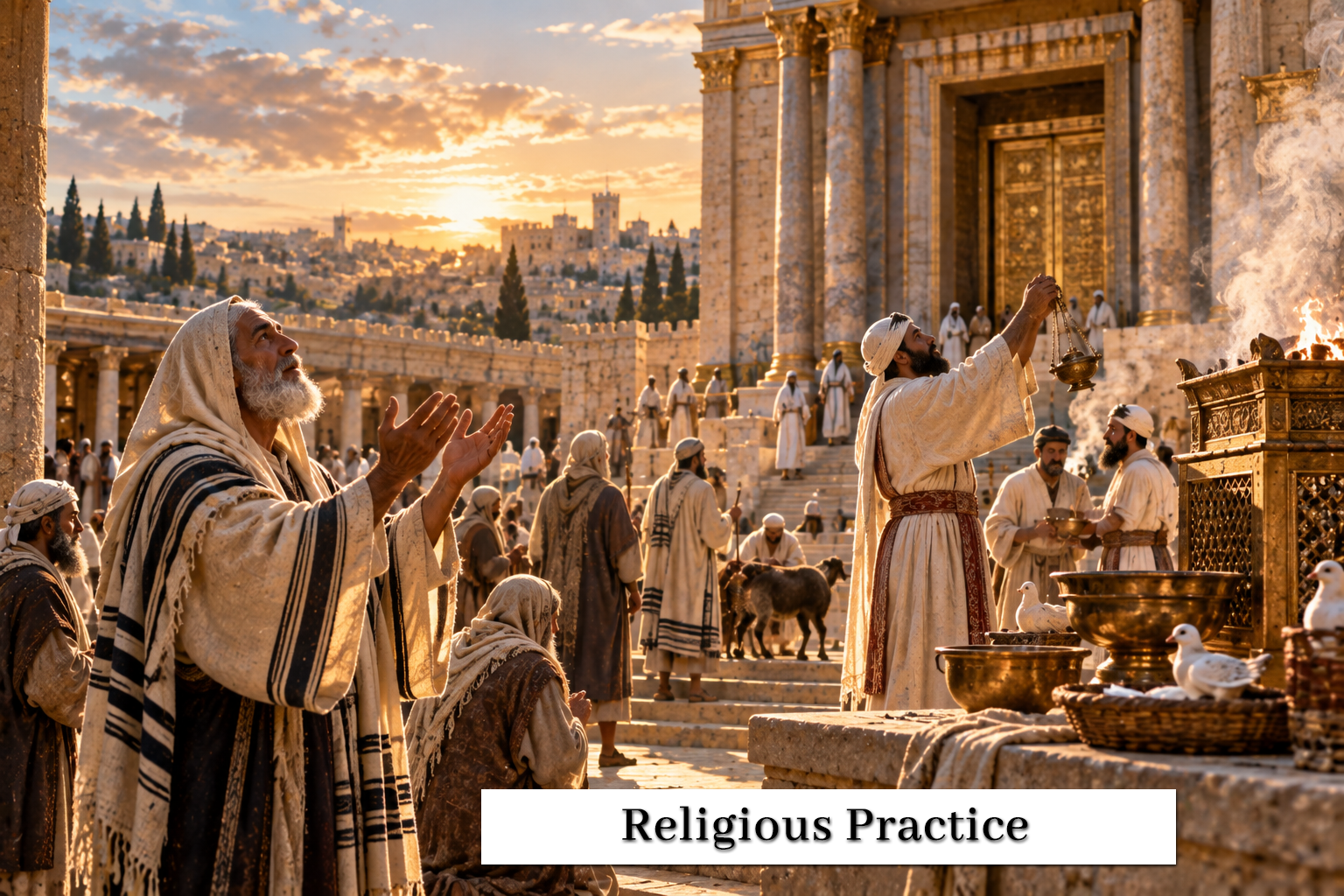
Religious Practice
A Visit With Jesus
Martha's confidence that Lazarus will rise 'at the last day' reflects a well-established Jewish resurrection hope, which Jesus answers by locating resurrection and life in his own person.
Religious Practice

Introduction

When Jesus tells Martha that her brother will rise again, she answers, 'I know that he shall rise again in the resurrection at the last day.' Her statement expresses genuine faith rather than misunderstanding alone.

Jesus then makes the conversation radically personal: 'I am the resurrection, and the life.'

Historical and Cultural Context

By the first century, bodily resurrection at the end of the age was a major Jewish hope, rooted especially in texts such as Daniel 12:2 and developed within Pharisaic and other Jewish traditions. It was not universally accepted; the Sadducees famously rejected resurrection. Martha's statement therefore fits a recognizable Jewish eschatological position.

Jesus does not deny the future resurrection. He identifies himself as the source and embodiment of the life expected at that future day.

Why It Matters

The historical background shows that Martha already possesses substantial orthodox hope. Jesus' answer is not simply correcting disbelief.

He moves the center of resurrection expectation from an event on a future calendar to his own identity: the promised life of the last day is inseparable from him.