
Jesus in Context

Other Sheep and One Flock, One Shepherd

Shepherding •  John
A Visit With Jesus
Jesus speaks of sheep beyond the present fold who will be brought together into one flock under one shepherd, language that points beyond existing communal boundaries without saying there will be one physical sheepfold.
Shepherding

Introduction

Jesus says, 'Other sheep I have, which are not of this fold: them also I must bring.' He then describes the result as one flock and one shepherd.

The wording looks beyond the immediate group surrounding Jesus toward a larger people gathered under him.

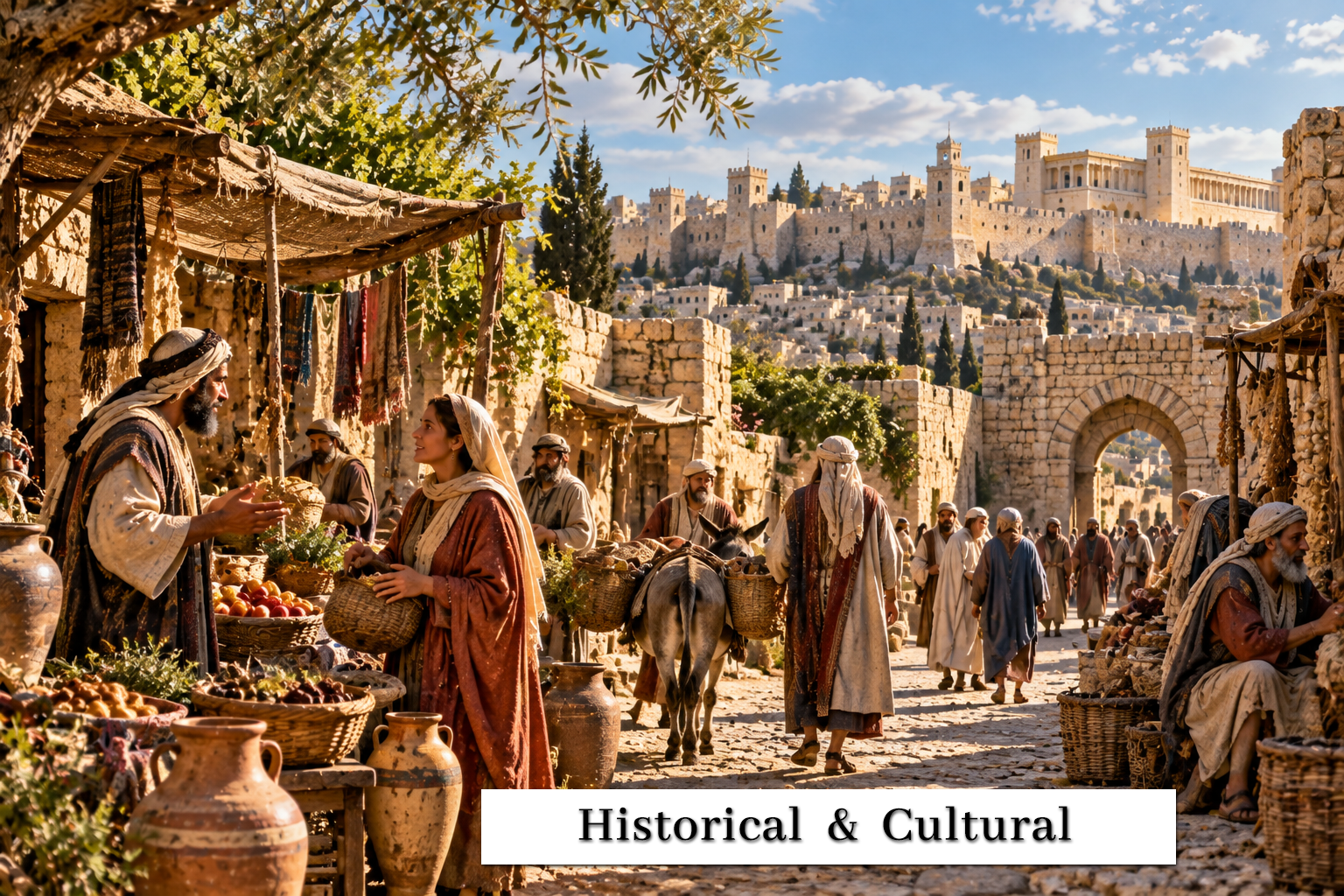
Historical and Cultural Context

The best-attested Greek text distinguishes the terms: Jesus speaks of sheep not from this aule, or fold/enclosure, but says there will be one poimne, one flock, under one shepherd. Older English wording can obscure that distinction by using 'fold' in both places. In the wider Johannine and early Christian setting, Gentile inclusion provides the natural horizon for sheep beyond the present Jewish fold, though the verse itself does not name every group included.

Why It Matters

The linguistic distinction matters. Jesus' goal is not necessarily one institutional enclosure identical to the old one, but one people united by one shepherd.

The statement also keeps the initiative with Jesus: he already calls the other sheep his own, says he must bring them, and says they will hear his voice.

Scripture References

Related Customs