
Jesus in Context

The Truth Shall Make You Free

Servants and Slavery •  John
A Visit With Jesus
Jesus' promise that truth makes disciples free provokes an appeal to Abrahamic ancestry, while his answer uses the real insecurity of slavery to describe bondage to sin and the Son's power to grant lasting freedom.
Servants and Slavery

Introduction

Jesus tells those who continue in his word that they will know the truth and the truth will make them free. His hearers object that they are Abraham's descendants and have never been enslaved.

Jesus answers by changing the level of the discussion: everyone who practices sin is a slave of sin.

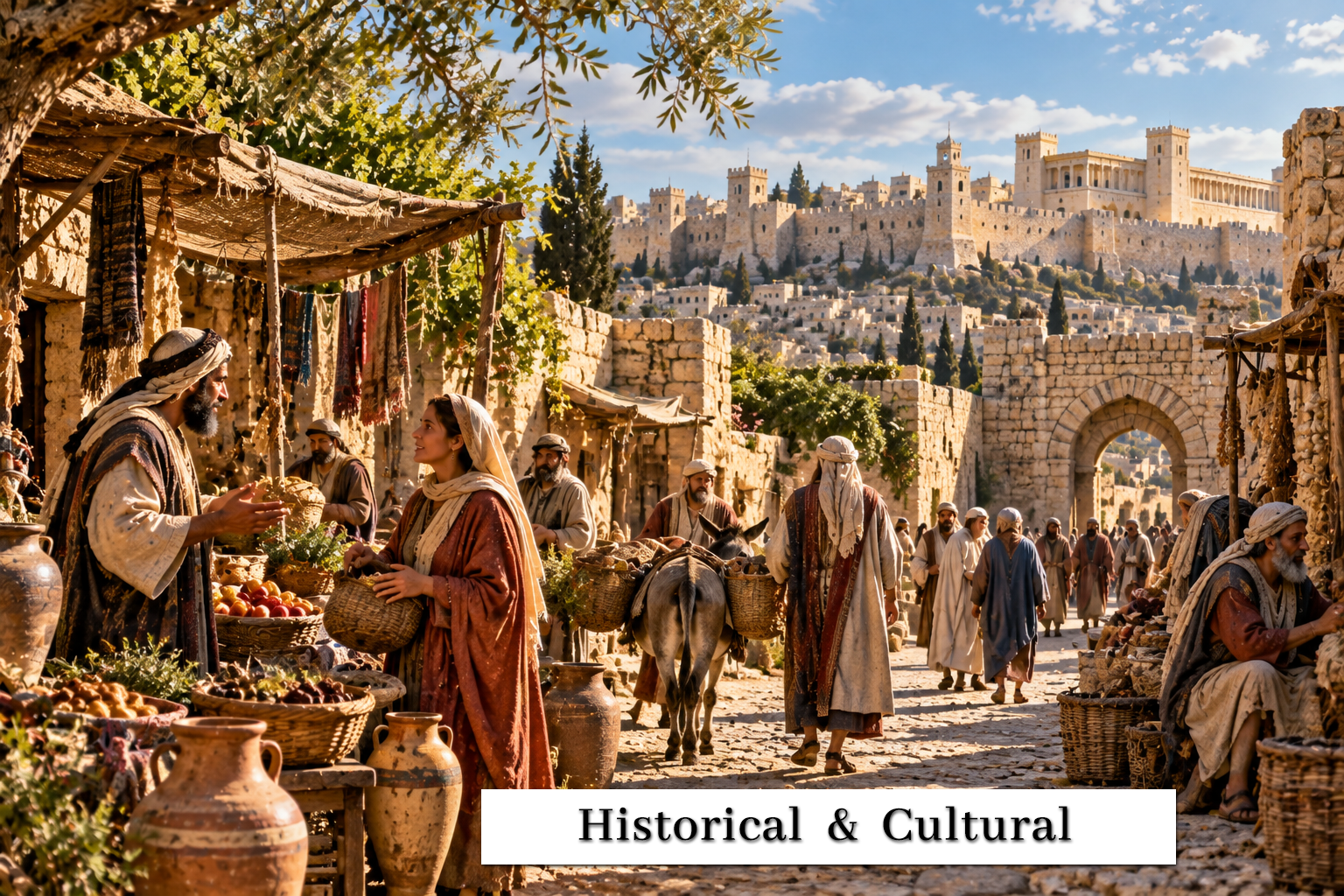
Historical and Cultural Context

Slavery was a pervasive institution in the Roman world, and a slave's position in a household differed fundamentally from that of a son. A slave could be sold, transferred, or removed and did not possess the son's permanent familial status. Jesus uses that social reality when he says that the slave does not remain in the house forever, but the son does.

The claim of never having been enslaved is rhetorically striking given Israel's national history, but the speakers may be asserting personal or covenantal freedom rather than offering a survey of Jewish history.

Why It Matters

The social metaphor gives 'freedom' a sharper meaning than personal independence or political liberty. Jesus describes sin as a master and human beings as unable to secure their own permanent place in the household.

The decisive statement is therefore not merely that truth is liberating, but that 'if the Son therefore shall make you free, ye shall be free indeed.'

Scripture References