
Jesus in Context

My Father Is Working: Jesus and the Sabbath

Religious Practice •  John
A Visit With Jesus
Jesus answers Sabbath opposition by appealing to the continuing work of his Father and placing his own activity alongside it, a claim his opponents understand as making himself equal with God.
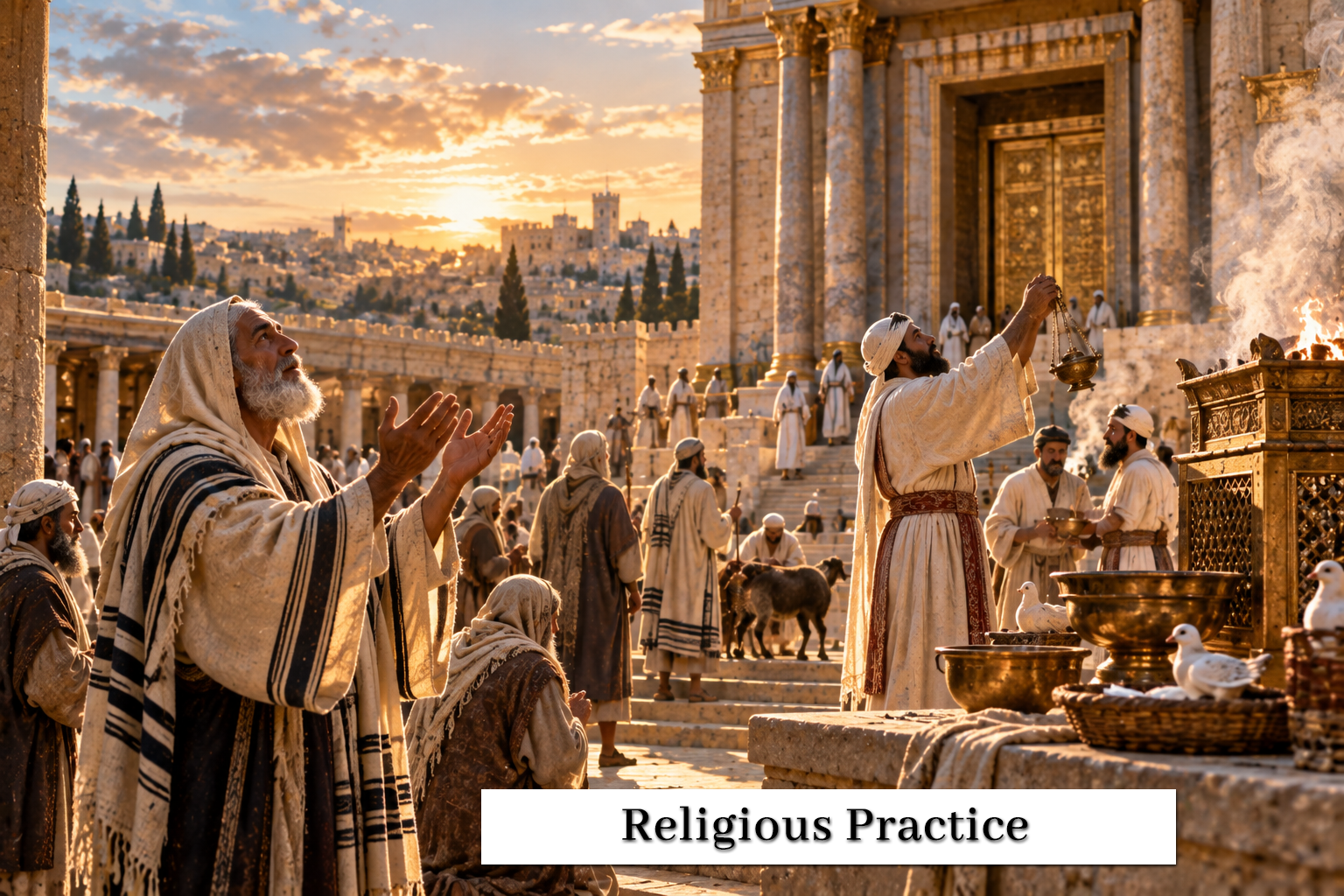
Religious Practice

Introduction

After the Bethesda healing, Jesus answers his critics, 'My Father worketh hitherto, and I work.' John says this intensifies the conflict because Jesus not only acts on the Sabbath but calls God his own Father in a way understood as making himself equal with God.

The argument depends on Jewish reflection about God's activity on the Sabbath.

Historical and Cultural Context

Genesis says that God rested from creation on the seventh day, yet God's providential governance of the world plainly continues: life, death, judgment, and the sustaining of creation do not cease each Sabbath. Jewish thinkers could therefore distinguish God's rest from creation from his continuing divine activity.

Jesus places his own work in direct relation to that continuing work of the Father. John's explanatory comment makes the Christological implication explicit.

Why It Matters

The Sabbath background prevents Jesus' statement from being reduced to 'God works hard, so I may work too.' His claim is far stronger.

Within a debate about activity reserved to God, Jesus coordinates his work with the Father's work. John presents the opponents' reaction as recognition of the extraordinary claim: Jesus is speaking and acting with divine prerogative.

Scripture References