
Jesus in Context

Temple Sacrifices, Animals, and Money Changers

Religious Practice •  John
A Visit With Jesus
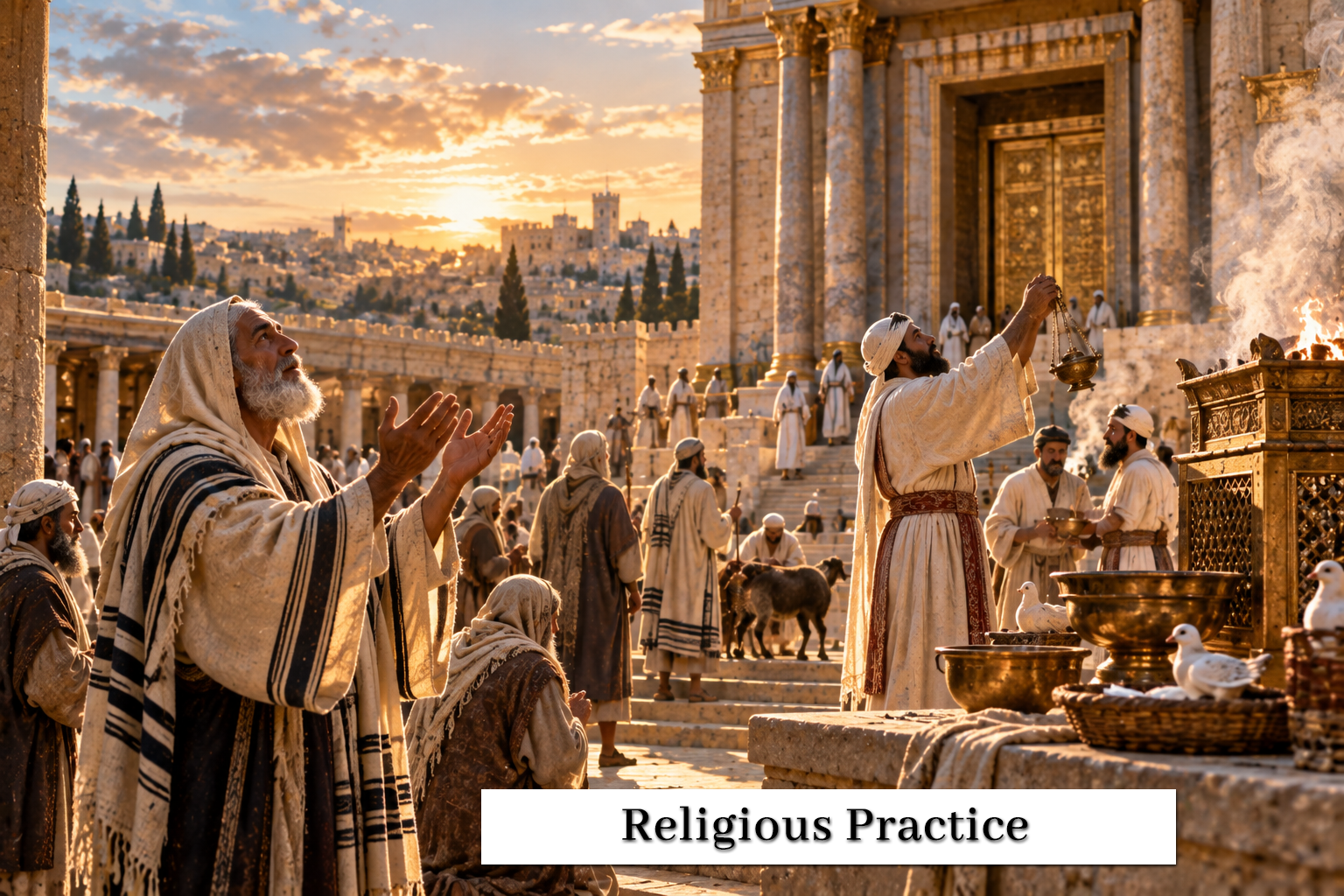
Animal sellers and money changers met genuine pilgrimage and sacrificial needs at the Temple, which makes Jesus' disruption a challenge within a functioning religious system rather than a rejection of sacrifice as such.
Religious Practice

Introduction

John describes oxen, sheep, doves, and money changers in the Temple precincts before Jesus drives animals out and overturns tables. Modern readers can assume that the mere presence of commerce proves obvious corruption.

The historical setting is more complex: pilgrims genuinely needed animals and appropriate currency for Temple obligations.

Historical and Cultural Context

The Torah required animal sacrifices of different kinds, including provisions allowing birds for worshipers of lesser means. Pilgrims traveling long distances could reasonably acquire suitable animals near the Temple rather than transport them throughout the journey. Money changers likewise served visitors carrying currencies from many regions.

John does not say that every transaction was fraudulent. His emphasis falls on Jesus' demand that his Father's house not be made a house of merchandise and on his dramatic authority within the Temple.

Why It Matters

The practical background prevents an easy caricature in which Jesus simply opposes obviously illegitimate activity. Much of what he interrupts supported the ordinary sacrificial system.

That makes his action more, not less, significant: he asserts authority over the operation of his Father's house, and John immediately interprets the episode through Scripture and Jesus' own body as the true Temple.

Scripture References