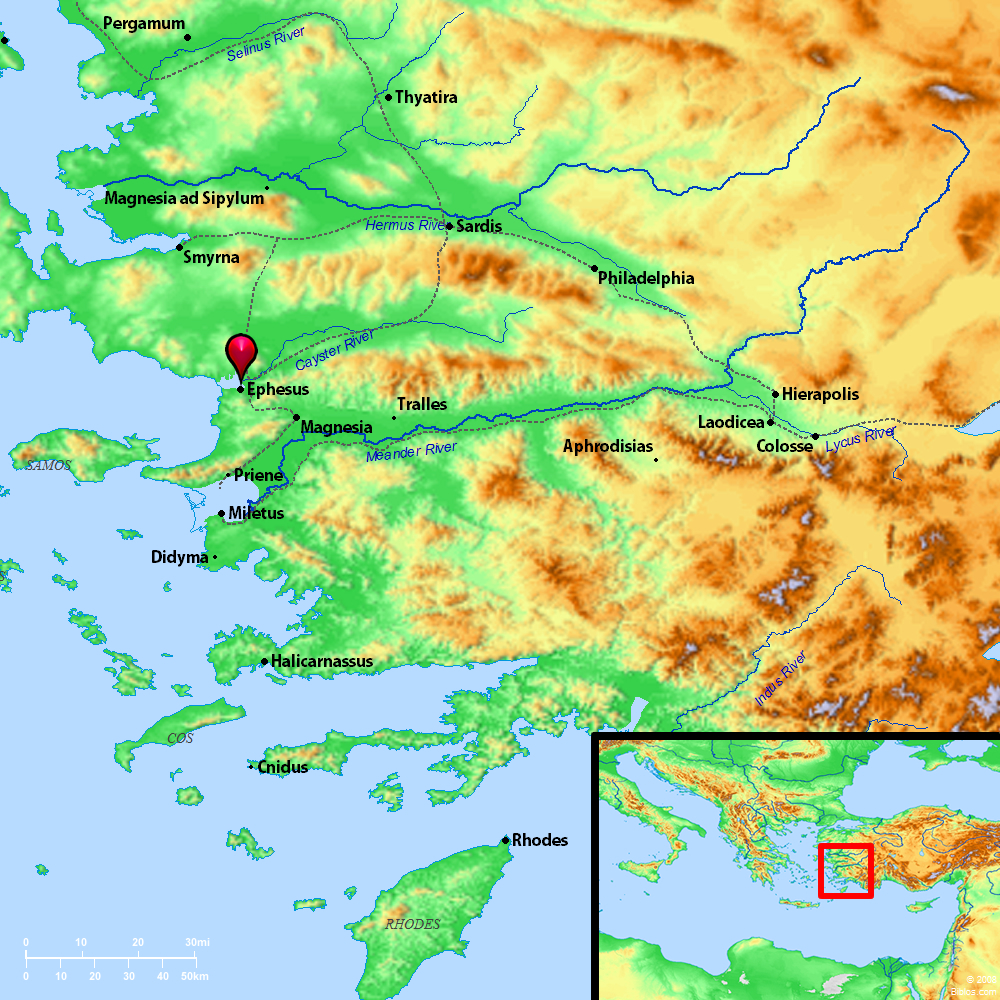
The writer of Acts and Luke describes Apollos as a Jew, native to Alexandria, Egypt, who journeyed to Ephesus for unclear reasons (Acts 18:24). He was “an eloquent man,” possessing not only a keen mind but also a natural ability as a speaker. He was “well versed in the scriptures,” possessing a mastery of the Old Testament, and was proficient in the use of scripture in teaching and debate.
Apollos “had been instructed in the way of the Lord” (Acts18:25), but his teacher is not known. He may have been a disciple of John the Baptist. The knowledge of Apollos was limited, for “he knew only the baptism of John.” However, he knew enough to be convinced that Jesus was the Messiah. That he “taught accurately the things concerning Jesus” suggests that he did have an acquaintance with His ministry and teaching, but he was uninformed concerning the spiritual results of Christ’s mission and the baptism of the Holy Spirit.
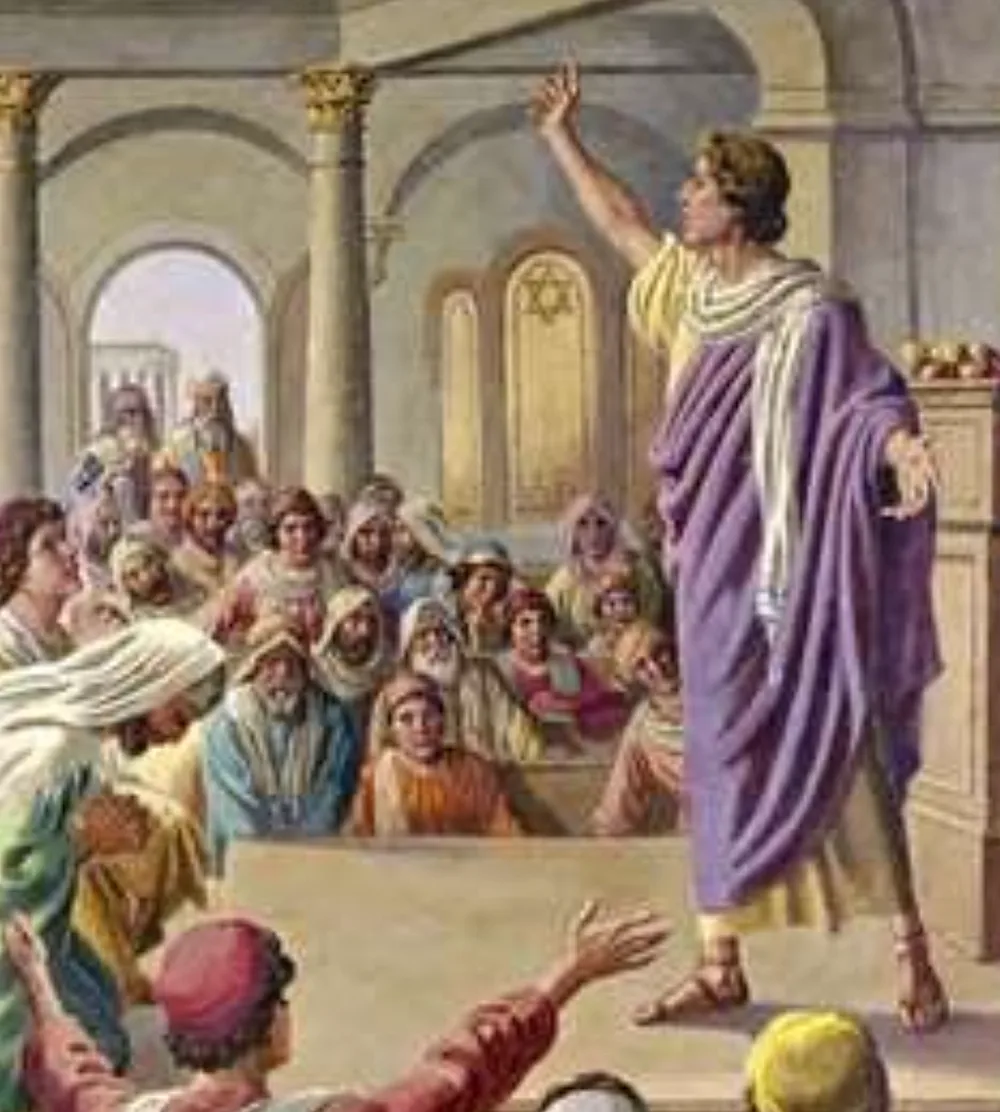
Upon his arrival in Ephesus, Apollos “began to speak boldly in the synagogue” (Acts 18:26). In the audience were two lay Christians, Priscilla and Aquila. Though impressed with the fervor of Apollos, they noted his imperfect message, and “they took” Apollos, apparently to their home, and politely “expounded to him the way of God more accurately,” explaining the Gospel they had learned from Paul. That it included instruction in the significance of Christian baptism may be assumed, but Luke gives no hint that Apollos was baptized. If he had received John’s baptism before Pentecost, his baptism, like that of the Twelve, would be accepted as valid.
According to Acts, the believers in Ephesus encouraged Apollos to have a ministry in Achaia. They instructed the believers there to warmly receive him upon his arrival (Acts 18:27). Paul and Apollos had not yet met, as Paul arrived in Ephesus after Apollos departed (Acts 19:1). In Achaia, Apollos helped the Christians and debated with the local Jews. Using the Scriptures, he proved that the long-awaited Messiah had already come in Jesus of Nazareth (Acts 18:28).
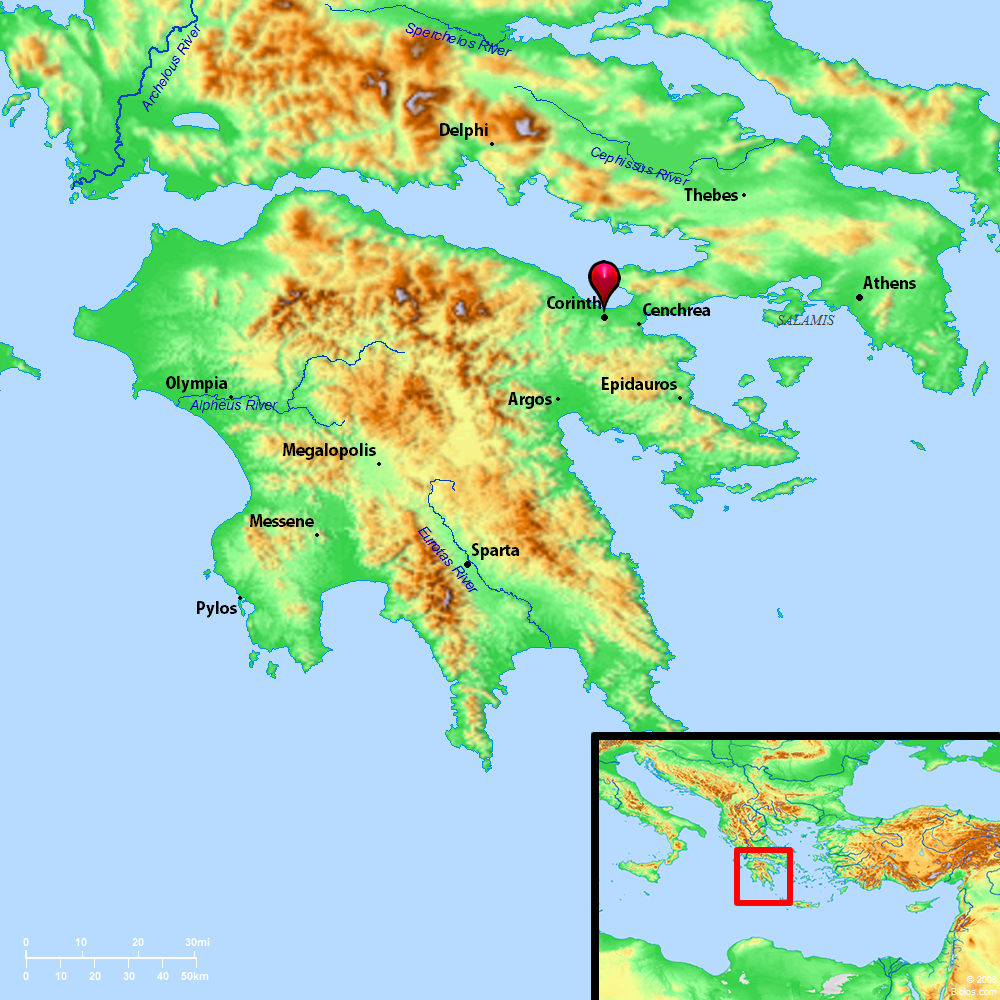
Although Acts presents Paul as the main character responsible for shaping the early Hellenistic church, stories like that of Apollos indicate that other teachers contributed to its success. We see this further in Paul’s letters to the early churches, which continue Apollos’s narrative. According to the book of 1 Corinthians, the ministry of Apollos led him to the Greek city of Corinth where Paul had planted a church. Somewhere along the way, the church became divided over the issue of leadership (1Cor 1:12–13), leading some to follow Apollos because of his persuasive teaching, and others Paul, (who had founded the Corinthian church). A third party even favored Peter, who had received Jesus’s instructions firsthand. Paul corrected the Corinthian church and insisted that all leaders were servants of God who worked equally to spread the good news. Paul planted the seeds of faith, Apollos nurtured their belief, but God provided the growth in the believer’s lives (1Cor 3:5–6). Paul thereby taught that the early church leaders belonged to the same unified movement.
When Paul wrote 1 Corinthians, Apollos was with him at Ephesus (16:12). The Corinthians had indicated a desire to have Apollos return to Corinth. Paul had urged him to return, but Apollos had refused to do so at the time in order to avoid reviving the party spirit in the church. That he had been made the center for one of their factions doubtless was as distasteful to Apollos as to Paul.
Nothing further is heard of Apollos until Titus 3:13. Paul instructed Titus “to speed Zenas the lawyer and Apollos on their way.” They had met Paul in some unnamed place. Since their journey was taking them through Crete, Paul apparently asked them to deliver his letter to Titus.
It would seem that Apollos did not feel called to the pioneer work of planting new churches. He apparently devoted his efforts to the strengthening of churches already established.
Luther's suggestion that Apollos was the author of Hebrews is accepted by many scholars., and although this is plausible, the suggestion lacks proof.