
Bible Location

Hebron

Old Testament
A Visit With Jesus

Hebron is one of the most ancient and important cities of the biblical hill country of Judah. It is closely associated with Abraham and the patriarchs and later became David's first royal capital.

Abraham lived in the Hebron region near the oaks of Mamre and purchased the cave of Machpelah as a family burial place. Isaac, Jacob, Sarah, Rebekah, and Leah are also associated in Genesis with the ancestral burial place.

Ancient Hebron is associated archaeologically with Tel Hebron, in the Tel Rumeida area, while the traditional Cave of the Patriarchs lies within the later city below.

Hebron

Biblical Significance

Genesis 13:18 describes Abraham settling near the oaks of Mamre at Hebron and building an altar to the Lord. After Sarah died, Genesis 23 records Abraham purchasing the cave of Machpelah from Ephron the Hittite as a permanent burial possession.

The spies sent by Moses reached Hebron during their exploration of Canaan. Joshua later captured the city, which became part of Judah's territory and was assigned as a Levitical city and city of refuge.

Hebron became politically crucial after Saul's death. David settled there and was anointed king over Judah. Seven and a half years later representatives of all Israel came to Hebron and anointed him king over the united tribes before he moved his capital to Jerusalem.

Historical Background

Archaeological remains at Tel Hebron demonstrate settlement extending back into the Bronze Age. Fortifications and occupation remains show that Hebron was an important highland settlement long before the period of the Judahite monarchy.

The city's position in the southern hill country placed it amid productive agricultural territory associated with vineyards, olives, livestock, and trade routes.

During the late Second Temple period, Herod the Great constructed the massive enclosure surrounding the traditional Cave of Machpelah. Much of this monumental stone enclosure survives and remains one of the most impressive Herodian structures preserved in the region.

Modern Identification

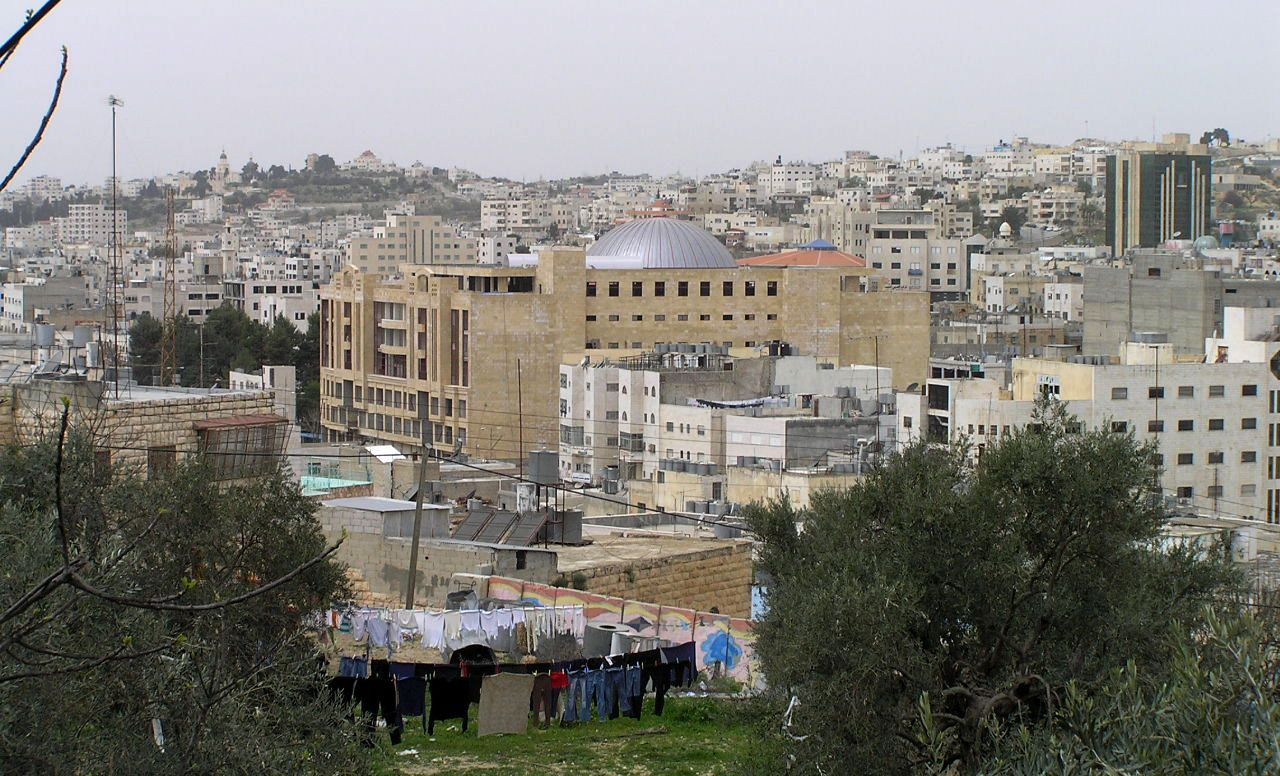
Biblical Hebron is securely associated with modern Hebron in the southern West Bank. The earliest city occupied the mound commonly called Tel Rumeida or, more precisely, Tel Hebron, above the later urban center.

The traditional burial place of the patriarchs and matriarchs is the Cave of Machpelah beneath the monumental enclosure known as the Tomb of the Patriarchs or Ibrahimi Mosque.

The tradition identifying this location with Machpelah is ancient, but direct archaeological investigation of the cave itself has been extremely limited. AVWJ should distinguish the secure identification of Hebron from the more difficult question of verifying the identities of those buried within the traditional cave.

Scripture References

Related Resources

Sources

Bible: Genesis 13:18, Genesis 23, Genesis 25:9-10, Genesis 35:27-29, Numbers 13:22, Joshua 10, Joshua 20:7, 2 Samuel 2:1-11, 2 Samuel 5:1-5; archaeological excavations at Tel Hebron/Tel Rumeida; historical and architectural studies of the Cave of the Patriarchs enclosure