
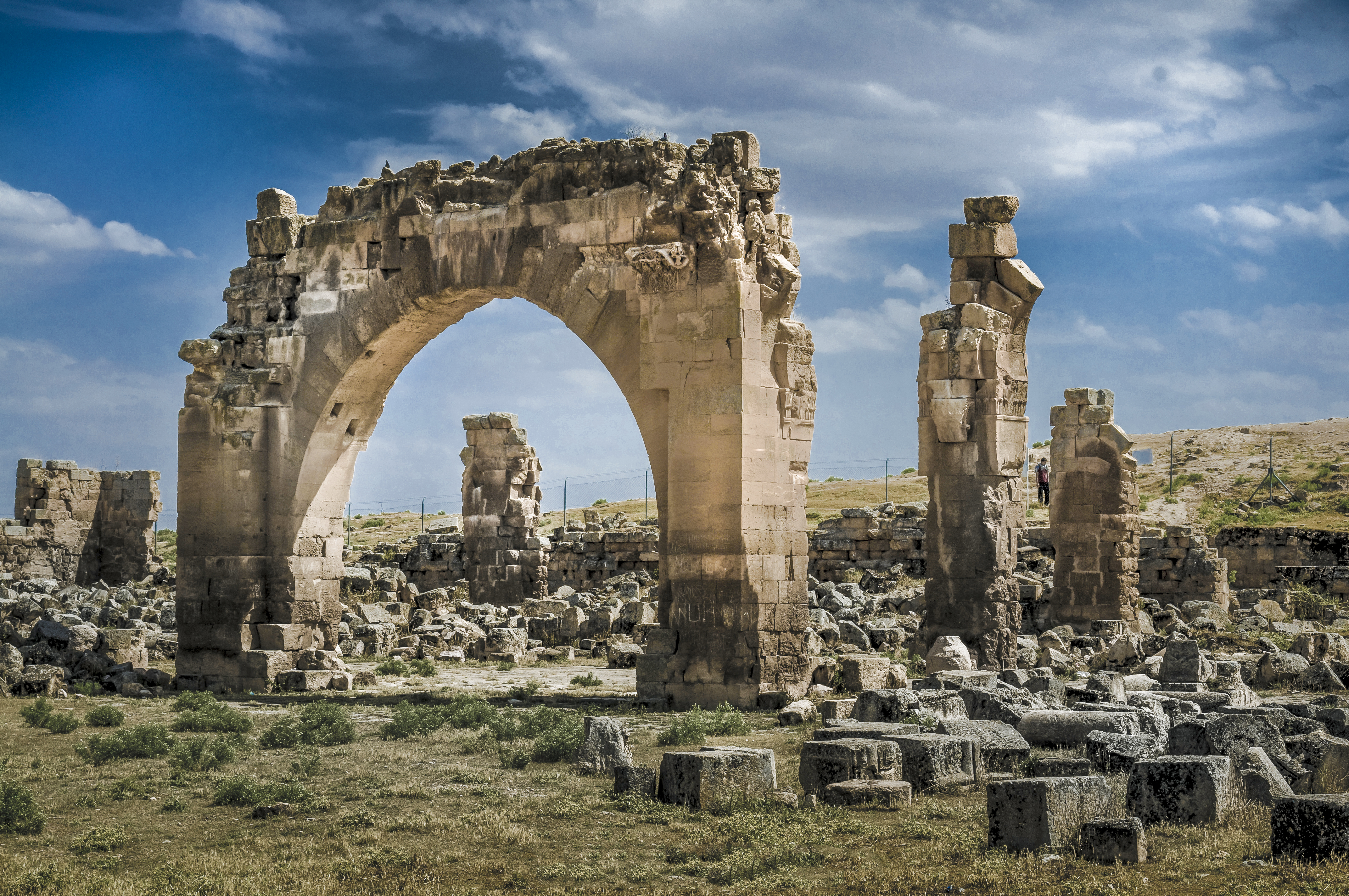
Bible Location

Harran

Also known as: Harran Assyrian City
A Visit With Jesus

Harran was an ancient city of Upper Mesopotamia located on an important route connecting Mesopotamia with Syria and Anatolia. It plays an important role in the patriarchal narratives and later became a major Assyrian religious and strategic center.

Terah traveled with Abraham, Sarah, and Lot from Ur toward Canaan but settled at Harran. After Terah's death, Abraham departed Harran in response to God's call and continued toward Canaan.

Harran is securely identified with the archaeological remains at modern Harran in southeastern Turkey near Sanliurfa.

Harran

Biblical Significance

Genesis 11:31 records Terah leaving Ur of the Chaldeans with Abraham, Sarah, and Lot intending to travel to Canaan. The family reached Harran and settled there.

Genesis 12 begins with God calling Abraham to leave his country and kindred. Abraham departed Harran at the age of seventy-five and traveled toward Canaan.

Harran and the surrounding region remained connected with Abraham's extended family. Abraham's servant later traveled toward Mesopotamia to find a wife for Isaac, and Jacob fled to the household of Laban in the same broader region.

Harran reappears in 2 Kings and Isaiah as a city conquered by the Assyrians and cited in Assyrian boasts against Jerusalem.

Historical Background

Harran occupied a strategically important location on caravan routes connecting northern Mesopotamia, Syria, and Anatolia. Its ancient name appears in Assyrian sources.

The city became particularly famous as a center for worship of the Mesopotamian moon god Sin. Assyrian and Babylonian rulers supported and restored the major temple there.

After Nineveh fell in 612 BC, Harran briefly became a center of remaining Assyrian resistance. Babylonian and Median forces captured it in 610 BC. The city continued to be important under later empires and was known to the Romans as Carrhae.

Modern Identification

Biblical Harran is securely identified with modern Harran in southeastern Turkey near Sanliurfa and close to the Syrian border.

The continuity of the ancient name, cuneiform sources, historical geography, and archaeological remains make the identification certain.

The surviving archaeological landscape contains remains from several periods, but no structure can be identified specifically as the residence of Abraham or his family.

Scripture References

Related Resources

Sources

Bible: Genesis 11:31-32, Genesis 12:1-5, Genesis 24, Genesis 27-29, 2 Kings 19:12, Isaiah 37:12; Assyrian and Babylonian texts concerning Harran; archaeological and historical studies of Harran and the temple of Sin