
Bible Location

Sodom and Gomorrah

Old Testament
Also known as: Gomorrah
A Visit With Jesus

Sodom and Gomorrah were two of the "cities of the plain" described in Genesis near the region of the Dead Sea. They are remembered principally for the account of divine judgment in Genesis 18-19.

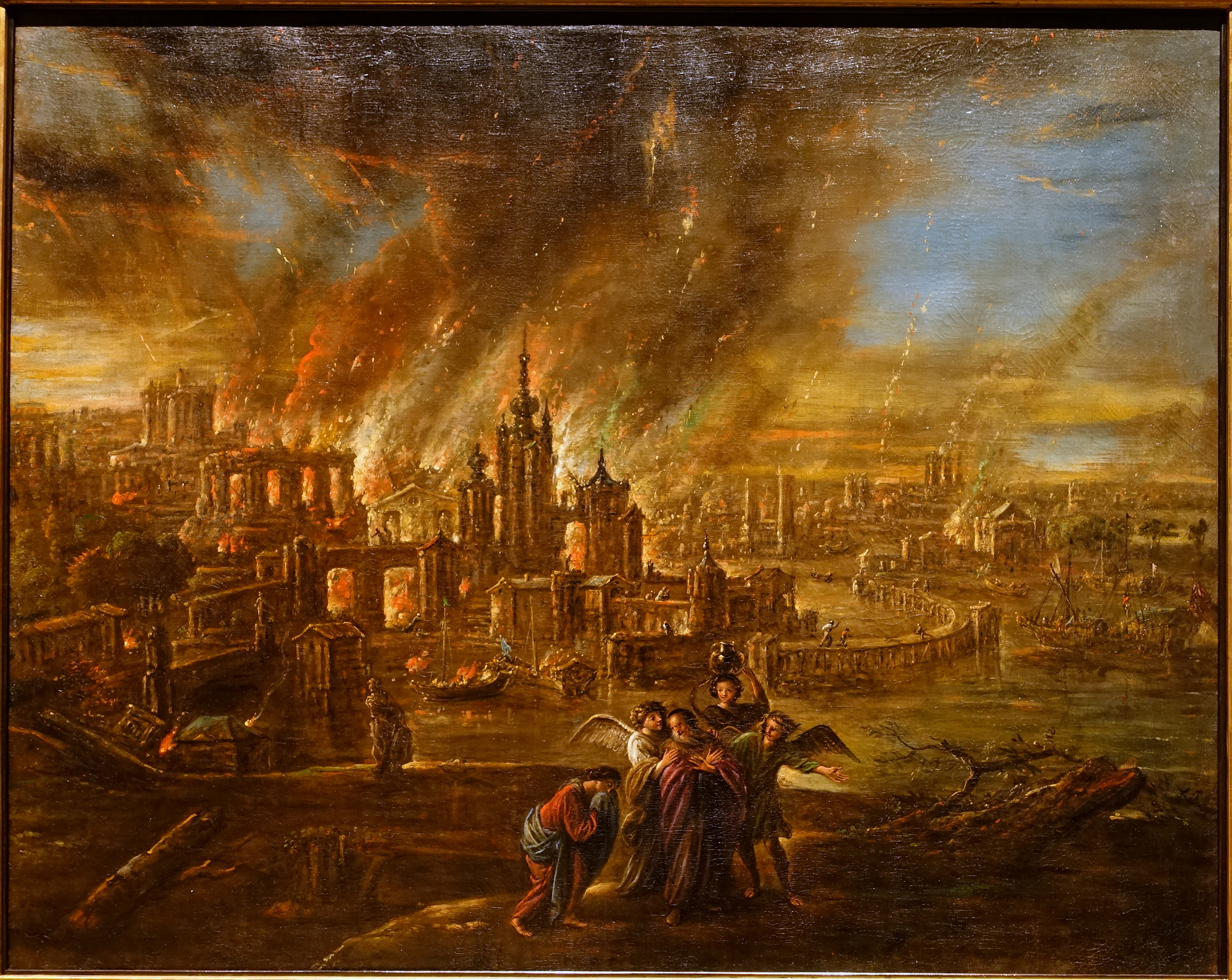
Lot settled in Sodom after separating from Abraham. Genesis portrays the city as profoundly wicked, and God ultimately destroyed Sodom and Gomorrah after rescuing Lot and members of his family.

The precise archaeological locations of Sodom and Gomorrah have not been established. Sites around both the southern and northeastern Dead Sea have been proposed.

Sodom and Gomorrah

Biblical Significance

Genesis 13 describes Lot choosing the well-watered Jordan plain and moving his tents toward Sodom. The text immediately notes the great wickedness of the city's inhabitants.

Genesis 14 places Sodom and Gomorrah among five cities whose kings rebelled against an eastern coalition. Lot was captured during the resulting conflict and rescued by Abraham.

Genesis 18-19 contains the best-known account. Abraham interceded for Sodom after learning of impending judgment. Two angels visited Lot, and after the wickedness of the city was dramatically demonstrated, Lot and members of his family were led away before Sodom and Gomorrah were destroyed.

Later biblical writers repeatedly use Sodom and Gomorrah as examples of severe judgment upon persistent wickedness.

Historical Background

The Dead Sea basin contained settlements during the Bronze Age, and archaeological investigation has identified several ancient sites that have consequently been considered in discussions of the cities of the plain.

Bab edh-Dhra and Numeira southeast of the Dead Sea were substantial Early Bronze Age settlements that experienced destruction and abandonment. Their location and destruction histories led some researchers to propose them as Sodom and Gomorrah.

More recently Tall el-Hammam northeast of the Dead Sea has been promoted as another candidate for Sodom. The proposal remains disputed, particularly because of questions involving chronology, geography, and interpretation of the biblical text.

Modern Identification

No proposed archaeological site can presently be identified conclusively as biblical Sodom or Gomorrah.

A southern Dead Sea model commonly associates the cities of the plain with archaeological sites such as Bab edh-Dhra and Numeira. A competing northern model identifies Sodom with Tall el-Hammam in the Jordan Valley northeast of the Dead Sea.

AVWJ should present both as proposals rather than choosing a particular excavation as the proven location of Sodom or Gomorrah. The biblical narrative securely associates the cities with the wider Dead Sea and Jordan plain setting, but their exact locations remain unresolved.

Scripture References

Related Resources

Sources

Bible: Genesis 13-14, Genesis 18-19, Deuteronomy 29:23, Isaiah 1:9-10, Jeremiah 49:18, Ezekiel 16:49-50, Matthew 10:15, Jude 7; archaeological publications concerning Bab edh-Dhra and Numeira; Tall el-Hammam excavation publications and critical discussions of its proposed identification with Sodom