
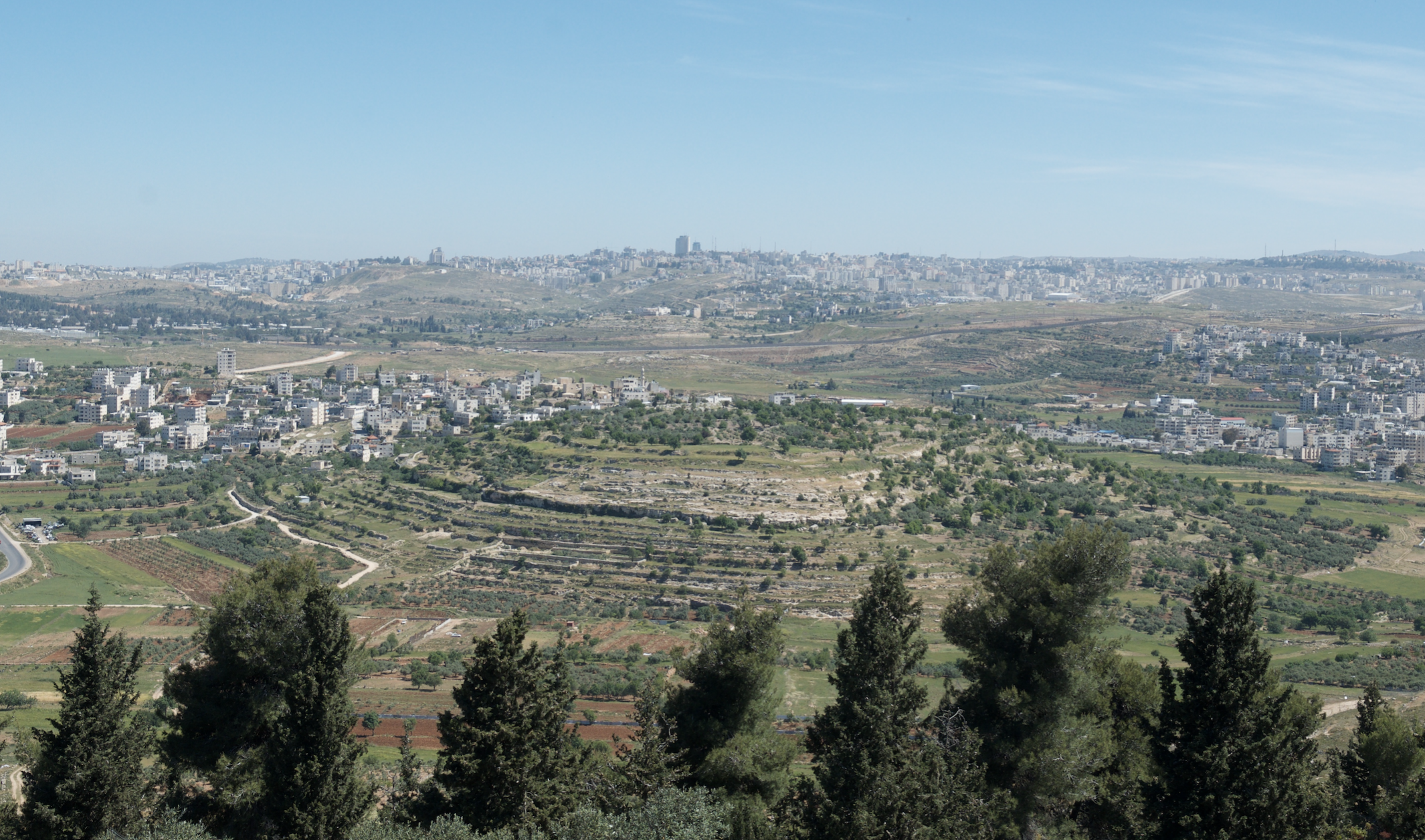
Bible Location

Gibeon (ancient city)

Also known as: Gibeon
A Visit With Jesus

Gibeon was an important Canaanite and later Israelite town northwest of Jerusalem. Its inhabitants famously secured a treaty with Israel through deception after hearing of Joshua's victories.

Gibeon subsequently appears in several major biblical episodes, including Joshua's battle against the Amorite kings, conflict between the forces of David and Ish-bosheth, and Solomon's sacrifice and dream at the great high place.

Biblical Gibeon is securely identified with el-Jib, where excavations discovered numerous jar handles inscribed with the Hebrew name Gibeon as well as a remarkable ancient water system.

Gibeon (ancient city)

Biblical Significance

Joshua 9 describes the Gibeonites disguising themselves as travelers from a distant country and persuading Israel's leaders to make a covenant with them. When the deception was discovered, Israel honored the oath but assigned the Gibeonites service connected with the community and sanctuary.

When Amorite kings attacked Gibeon because of its alliance with Israel, Joshua came to its defense. Joshua 10 associates the battle with the famous command, "Sun, stand still at Gibeon."

Second Samuel 2 describes forces loyal to David and Ish-bosheth meeting beside the pool of Gibeon. First Kings 3 later records Solomon traveling to the great high place at Gibeon, where God appeared to him in a dream and invited him to ask for what he desired. Solomon requested wisdom.

Historical Background

Gibeon occupied a strategically useful location in the central hill country northwest of Jerusalem. Excavations led by James B. Pritchard uncovered substantial remains from the Bronze and Iron Ages and later periods.

Among the most impressive discoveries was a large rock-cut water system consisting of a deep circular shaft or pool with a descending staircase and associated tunnels. The site also contained extensive evidence of wine production and storage.

Numerous inscribed jar handles discovered during excavation contained the Hebrew name Gibeon together with personal names. These inscriptions provided unusually direct evidence confirming the ancient name of the site.

Modern Identification

Biblical Gibeon is securely identified with the modern village and archaeological site of el-Jib, approximately six miles northwest of Jerusalem.

The similarity between the ancient and modern names had long suggested the identification, but excavation supplied decisive additional evidence. Multiple Hebrew inscriptions found on jar handles at the site explicitly contain the name Gibeon.

The large rock-cut water system at el-Jib also provides striking archaeological context for biblical references to the pool of Gibeon, although caution is appropriate when connecting individual excavated features with specific narrative events.

Scripture References

Related Resources

Sources

Bible: Joshua 9-10, 2 Samuel 2:12-32, 2 Samuel 20:8, 1 Kings 3:4-15, 1 Chronicles 16:39, Jeremiah 41:12; James B. Pritchard, Gibeon: Where the Sun Stood Still; University of Pennsylvania Museum excavations at el-Jib; Gibeon jar-handle inscriptions