
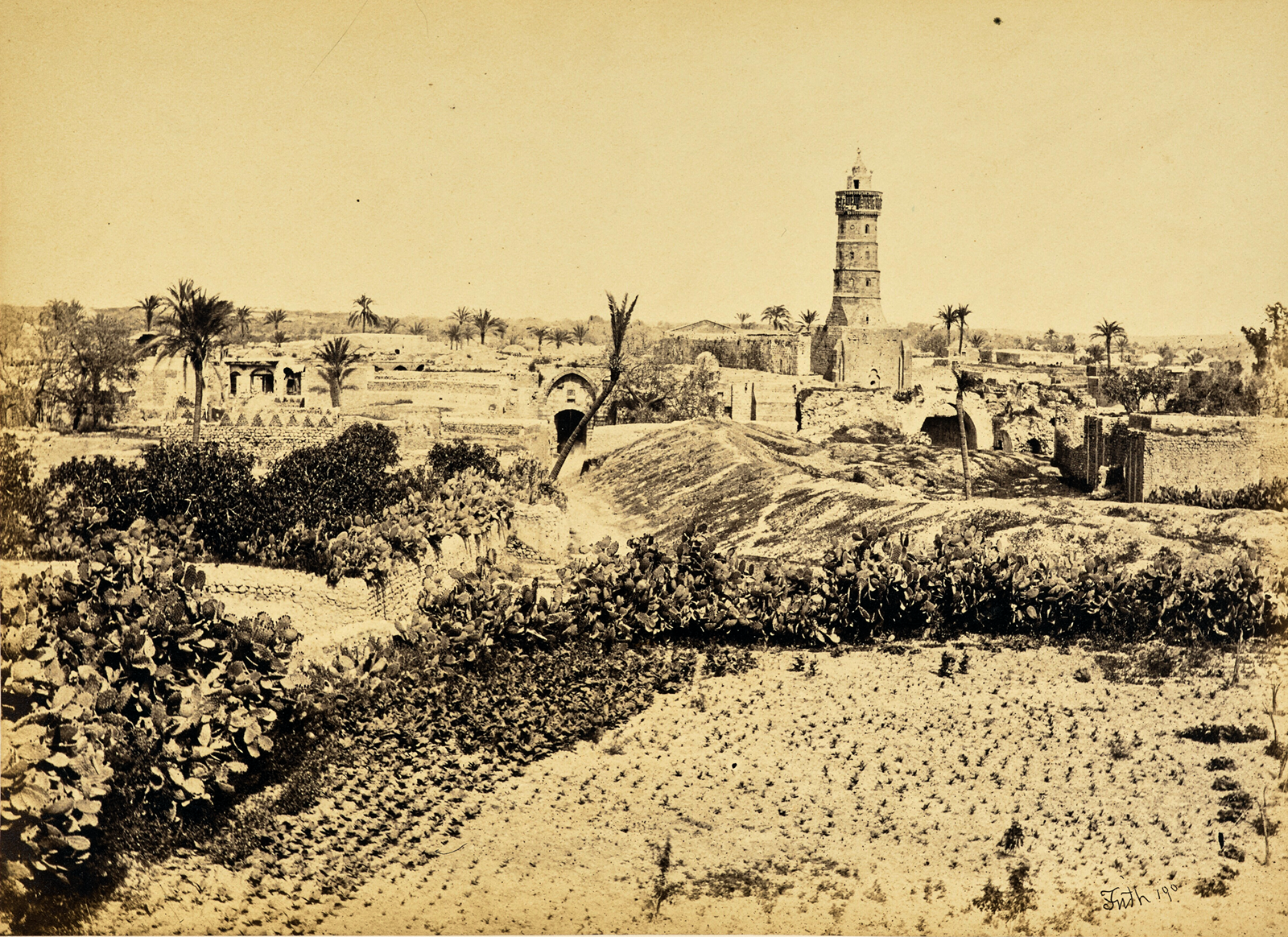
Bible Location

Gaza City

Also known as: Gaza
A Visit With Jesus

Gaza was one of the five principal cities of the Philistines and an important settlement on the southern Mediterranean coastal plain. Its position along the major route connecting Egypt with Canaan and Syria gave it great commercial and strategic importance.

The city appears throughout the Old Testament in accounts involving Canaanites, Philistines, Samson, Israel, Judah, and neighboring empires. Acts 8 also mentions the road from Jerusalem toward Gaza in the account of Philip and the Ethiopian official.

Ancient Gaza lies in the vicinity of the modern city of Gaza, although continuous occupation and extensive later construction have made archaeological investigation of the ancient city difficult.

Gaza City

Biblical Significance

Genesis 10:19 uses Gaza as a geographical point in describing Canaanite territory. Joshua and Judges later include it among the cities associated with the Philistines.

Gaza plays a particularly memorable role in the story of Samson. Judges 16 records Samson visiting Gaza, carrying away the city gates, and later being imprisoned there after Delilah's betrayal. Samson died when he brought down the Philistine temple in which he was being displayed.

The prophets Amos, Zephaniah, Jeremiah, and Zechariah announced judgments concerning Gaza. In the New Testament, Acts 8:26 directs Philip toward the road running from Jerusalem to Gaza, where he encountered the Ethiopian eunuch.

Historical Background

Gaza occupied a strategically important position near the southern end of the Levantine coastal route linking Egypt with Canaan, Phoenicia, and Syria. This made the city important to Egyptian, Philistine, Assyrian, Babylonian, Persian, Hellenistic, and Roman rulers.

During the Iron Age it was one of the principal Philistine cities. Assyrian records mention rulers of Gaza and document the city's involvement in imperial politics and regional rebellions.

Gaza remained important in Hellenistic and Roman times as a commercial center connecting Mediterranean trade with routes extending toward Arabia and the interior.

Modern Identification

The ancient city of Gaza was located within or immediately adjacent to the area of modern Gaza City. The continuity of the name and extensive ancient literary testimony make the general identification certain.

Determining the precise layout of the biblical city is considerably more difficult because Gaza has remained occupied through many historical periods. Ancient remains lie beneath later and modern development, limiting large-scale archaeological excavation.

AVWJ should therefore distinguish between the secure identification of Gaza as a city and the much greater uncertainty surrounding the precise locations of individual biblical structures or events within it.

Scripture References

Related Resources

Sources

Bible: Genesis 10:19, Deuteronomy 2:23, Joshua 13:3, Judges 1:18, Judges 16, Amos 1:6-8, Zephaniah 2:4, Jeremiah 47, Zechariah 9:5, Acts 8:26; Egyptian and Assyrian records concerning Gaza; historical and archaeological studies of ancient Gaza