
Bible Location

Garden of Eden

A Visit With Jesus

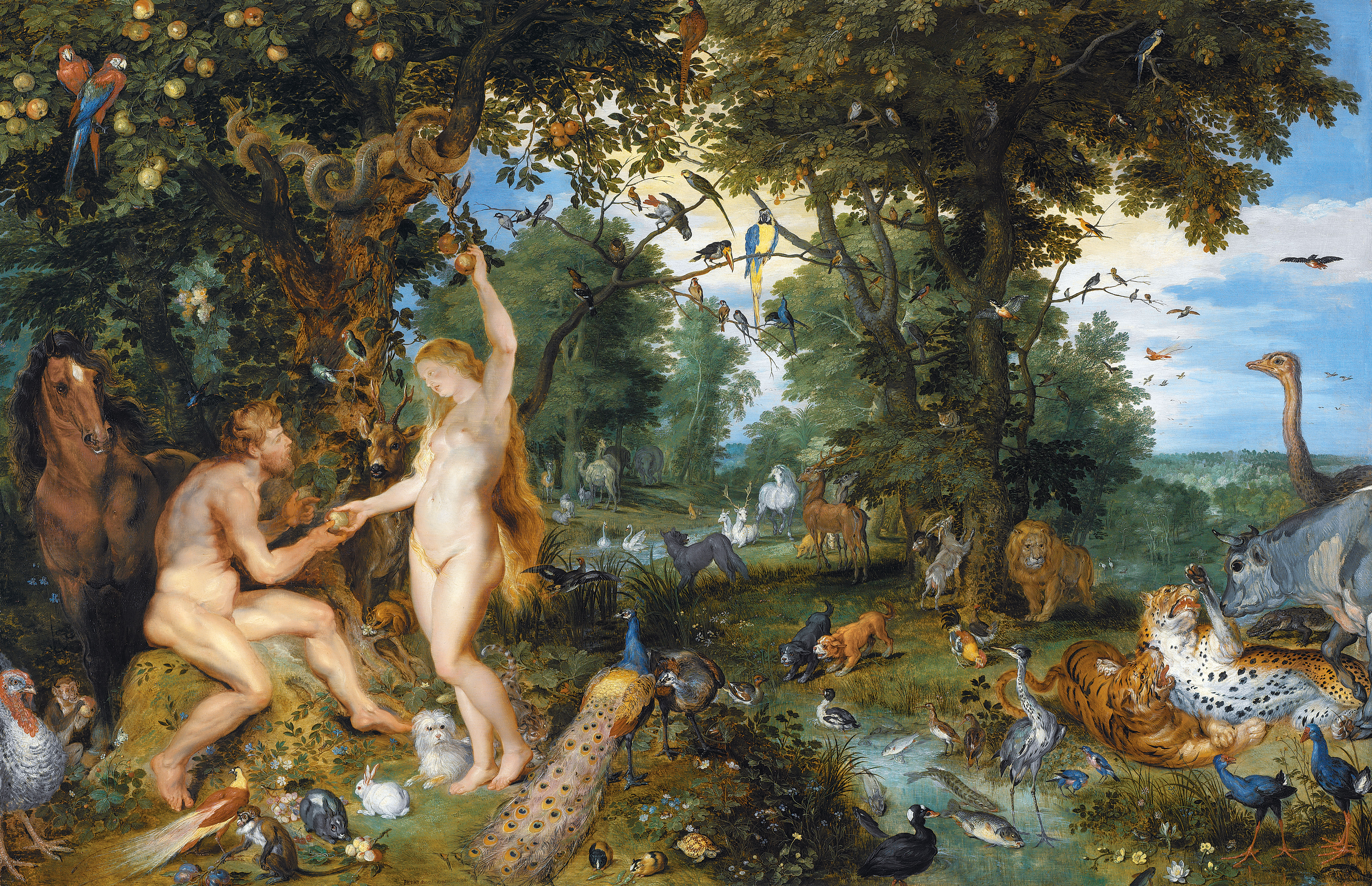
The Garden of Eden is the garden described in Genesis 2-3 as the dwelling place prepared by God for the first man and woman. It contained abundant trees, including the tree of life and the tree of the knowledge of good and evil.

Genesis describes a river flowing from Eden and dividing into four rivers named Pishon, Gihon, Tigris, and Euphrates. Adam and Eve were expelled from the garden after disobeying God's command, and access to the tree of life was guarded.

Although the Tigris and Euphrates are recognizable geographical names, the information in Genesis does not permit the Garden of Eden to be securely identified with a particular modern location.

Garden of Eden

Biblical Significance

Eden provides the setting for the biblical account of humanity's original relationship with God. Genesis 2 describes God forming Adam and placing him in the garden to work and keep it. Eve was subsequently created as his companion.

Genesis 3 records the serpent tempting Eve to eat from the forbidden tree. Adam also ate, bringing shame, alienation, judgment, and death into the human story. God expelled the couple from Eden and placed cherubim and a flaming sword to guard the way to the tree of life.

Later biblical writers use Eden as an image of extraordinary beauty, abundance, and divine blessing. The imagery of the tree of life reappears prominently in Revelation in the description of the restored creation.

Historical Background

The Eden narrative contains geographical terminology familiar from the ancient Near East, including the Tigris and Euphrates rivers. These names naturally connect the account with the broader Mesopotamian world.

The other two rivers, Pishon and Gihon, cannot be identified securely. Proposed identifications have ranged across Mesopotamia, Arabia, Africa, and other regions.

Ancient Near Eastern literature also contains traditions involving divine gardens, sacred trees, rivers, and humanity's relationship to mortality. These provide cultural background for studying Genesis while the biblical account retains its own theological structure and message.

Modern Identification

No modern location can be identified conclusively as the Garden of Eden. Proposals have included southern Mesopotamia near the Persian Gulf, northern Mesopotamia or eastern Anatolia near the headwaters of the Tigris and Euphrates, and other regions.

The difficulty is substantial because the four-river description does not correspond unambiguously to the modern landscape, and two of the rivers cannot be securely identified.

AVWJ should therefore avoid assigning Eden a precise archaeological location. A broad Mesopotamian association may be useful for geographical context, but it should be clearly labeled as interpretive rather than established.

Scripture References

Related Resources

Sources

Bible: Genesis 2-3, Genesis 4:16, Isaiah 51:3, Ezekiel 28:13, Ezekiel 31, Revelation 2:7, Revelation 22:1-5; geographical studies of Genesis 2 and the Tigris-Euphrates river system; comparative ancient Near Eastern literature concerning sacred gardens