
Bible Location

Ekron

A Visit With Jesus

Ekron was one of the five principal cities of the Philistines, together with Ashdod, Ashkelon, Gaza, and Gath. It lay on the eastern edge of the Philistine coastal plain near the territory of Judah.

The city appears prominently in the account of the captured Ark of the Covenant. After calamities struck Ashdod and Gath, the Philistines sent the Ark to Ekron, whose inhabitants protested its arrival.

Ekron is securely identified with Tel Miqne. A royal inscription discovered there actually names Ekron and its ruler, providing unusually strong archaeological confirmation of the identification.

Ekron

Biblical Significance

Joshua 13:3 lists Ekron among the five principal Philistine cities. Its position near Judah made it an important frontier city during the period of Israelite-Philistine conflict.

First Samuel 5 records the captured Ark being sent to Ekron after affliction had struck the people of Ashdod and Gath. The people of Ekron feared that bringing the Ark into their city would bring death upon them as well.

Second Kings 1 identifies Baal-zebub as the god of Ekron. After King Ahaziah of Israel was injured, he sent messengers to inquire of this deity, provoking a prophetic confrontation with Elijah.

Historical Background

Excavations at Tel Miqne revealed a major Canaanite and Philistine settlement. During the early Iron Age the site expanded dramatically and developed the distinctive material culture associated with Philistia.

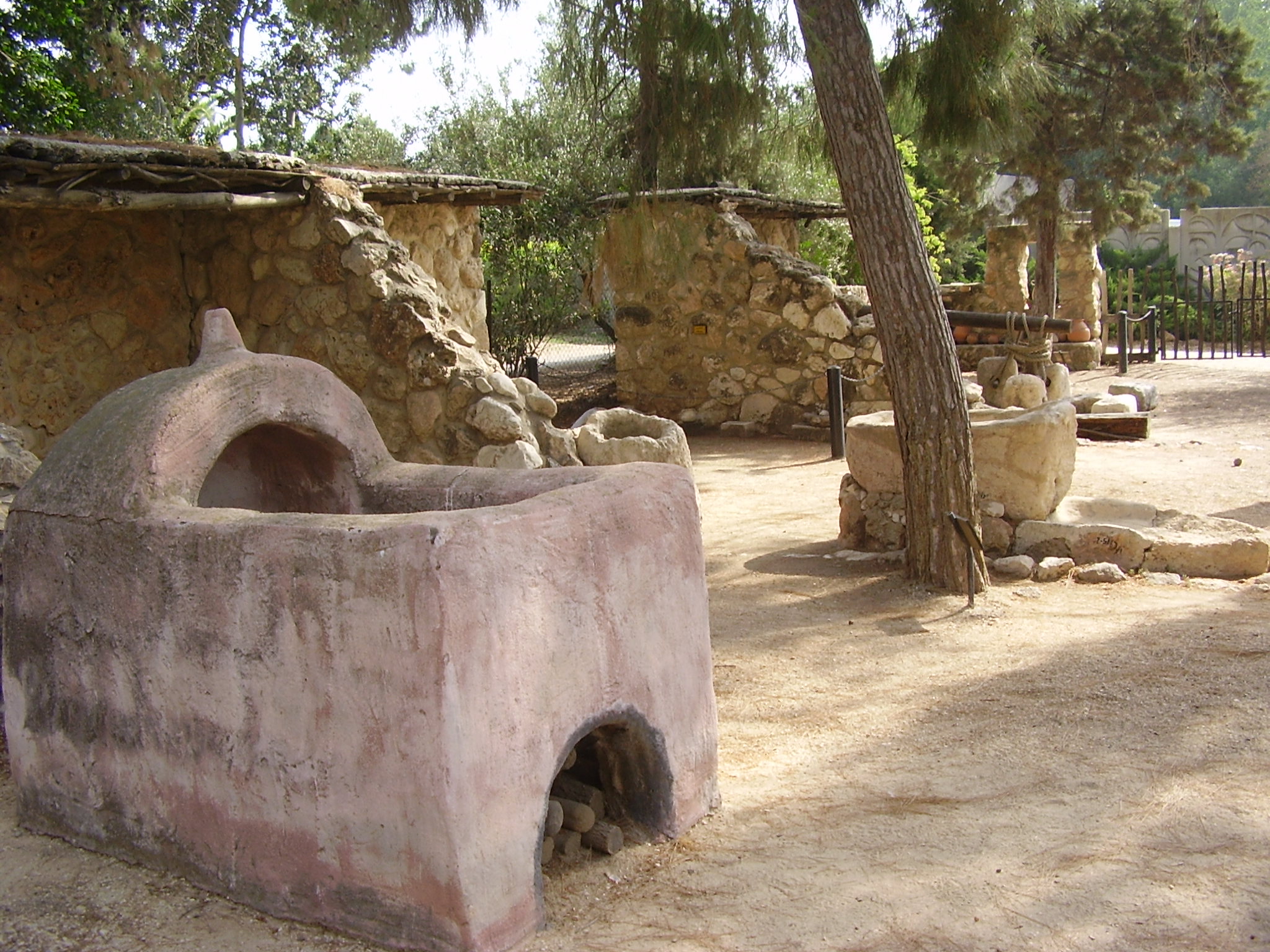
Ekron became especially prosperous during the seventh century BC under Assyrian domination. Large industrial installations demonstrate extensive olive-oil production, making the city an important economic center.

The city was destroyed near the end of the seventh century BC during the Babylonian campaigns that transformed the political landscape of Philistia and Judah.

Modern Identification

Biblical Ekron is securely identified with Tel Miqne, also known as Khirbet el-Muqanna, in Israel's inner coastal plain.

The identification was dramatically confirmed in 1996 by the discovery of a five-line royal dedicatory inscription in a temple complex. The inscription explicitly names Ekron and identifies its ruler Achish, son of Padi. Padi and Achish are also known from Neo-Assyrian records.

This makes Ekron one of the comparatively rare biblical cities whose archaeological identification is supported by an inscription discovered in its original ancient context.

Scripture References

Related Resources

Sources

Bible: Joshua 13:3, Joshua 15:45-46, 1 Samuel 5-7, 2 Kings 1:2-6, Amos 1:8, Zephaniah 2:4; Tel Miqne-Ekron Excavations; Ekron Royal Dedicatory Inscription; Assyrian royal inscriptions concerning Padi and Ikausu; archaeological publications by Trude Dothan and Seymour Gitin