
Bible Location

Edom

Also known as: Edom Ancient kingdom in Transjordan in the Bible
A Visit With Jesus

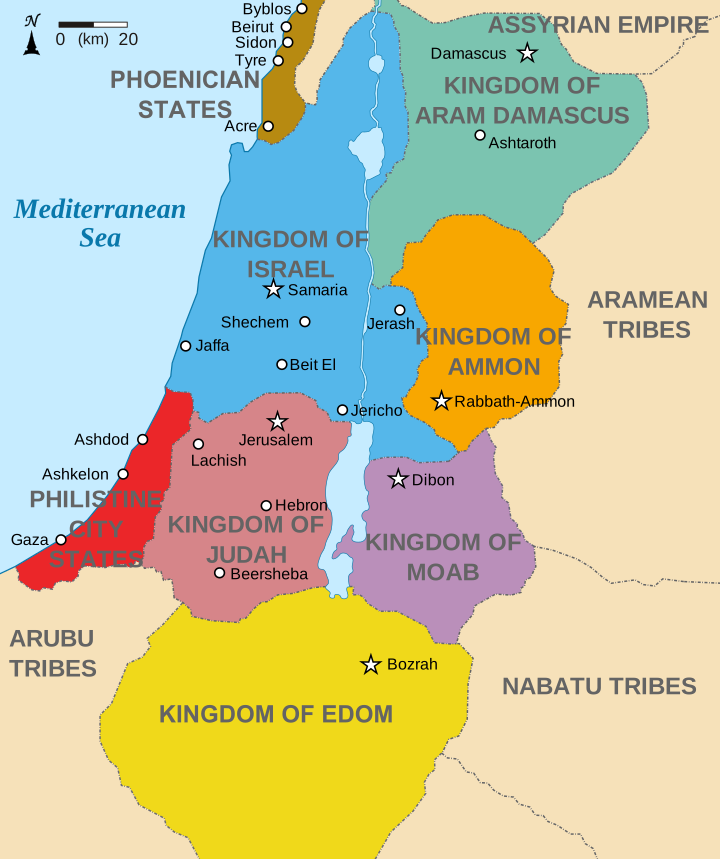
Edom was an ancient kingdom south and southeast of the Dead Sea, principally in the rugged territory of southern Transjordan. The biblical Edomites were closely associated with Esau, the brother of Jacob, who was also called Edom.

Relations between Israel and Edom ranged from kinship and cooperation to conflict. Edom controlled important routes through the mountainous region south of Moab and participated in the wider political and commercial world of the southern Levant.

The core of ancient Edom lay primarily in what is now southern Jordan, although Edomite influence and settlement extended westward during some periods.

Edom

Biblical Significance

Genesis associates Edom with Esau. Genesis 25:30 connects Esau's name Edom with the red stew for which he traded his birthright, while Genesis 36 provides genealogical traditions concerning Edomite clans and rulers.

During the Exodus, Edom refused Israel permission to pass through its territory by the King's Highway. Later relations included warfare during the monarchies of David, Solomon, Jehoshaphat, Amaziah, and other kings.

The prophets frequently address Edom, particularly concerning hostility toward Judah. Obadiah is devoted largely to judgment upon Edom, while other prophetic books condemn Edomite violence and rejoicing over Jerusalem's calamity.

Historical Background

Edom developed in the mountainous territory extending southward from the Dead Sea toward the Gulf of Aqaba. Important settlements included Bozrah and sites associated with the plateau and the copper-producing regions farther south.

Archaeological research has shown substantial settlement and economic activity in the region during the Iron Age. Copper production in the Arabah contributed to the importance of the wider southern territory, although the relationship between particular mining centers and the political kingdom of Edom changed over time.

Edom came under Assyrian influence and later Babylonian domination. During subsequent centuries Edomite or Idumean populations became increasingly established west of the Arabah in southern Judah.

Modern Identification

The heartland of biblical Edom is securely located in southern Jordan, principally southeast of the Dead Sea and east of the Arabah. Its precise political boundaries varied through time.

Later Idumea should not be treated as geographically identical with the earlier kingdom of Edom. By the Hellenistic and Roman periods, Idumean populations occupied substantial territory west of the Dead Sea and Arabah.

Scripture References

Related Resources

Sources

Bible: Genesis 25:30, Genesis 36, Numbers 20:14-21, 2 Samuel 8:13-14, 1 Kings 11:14-22, 2 Kings 14:7, Psalms 83:6, Obadiah, Jeremiah 49:7-22; Assyrian inscriptions concerning Edom; archaeological studies of Iron Age Edom and southern Jordan