
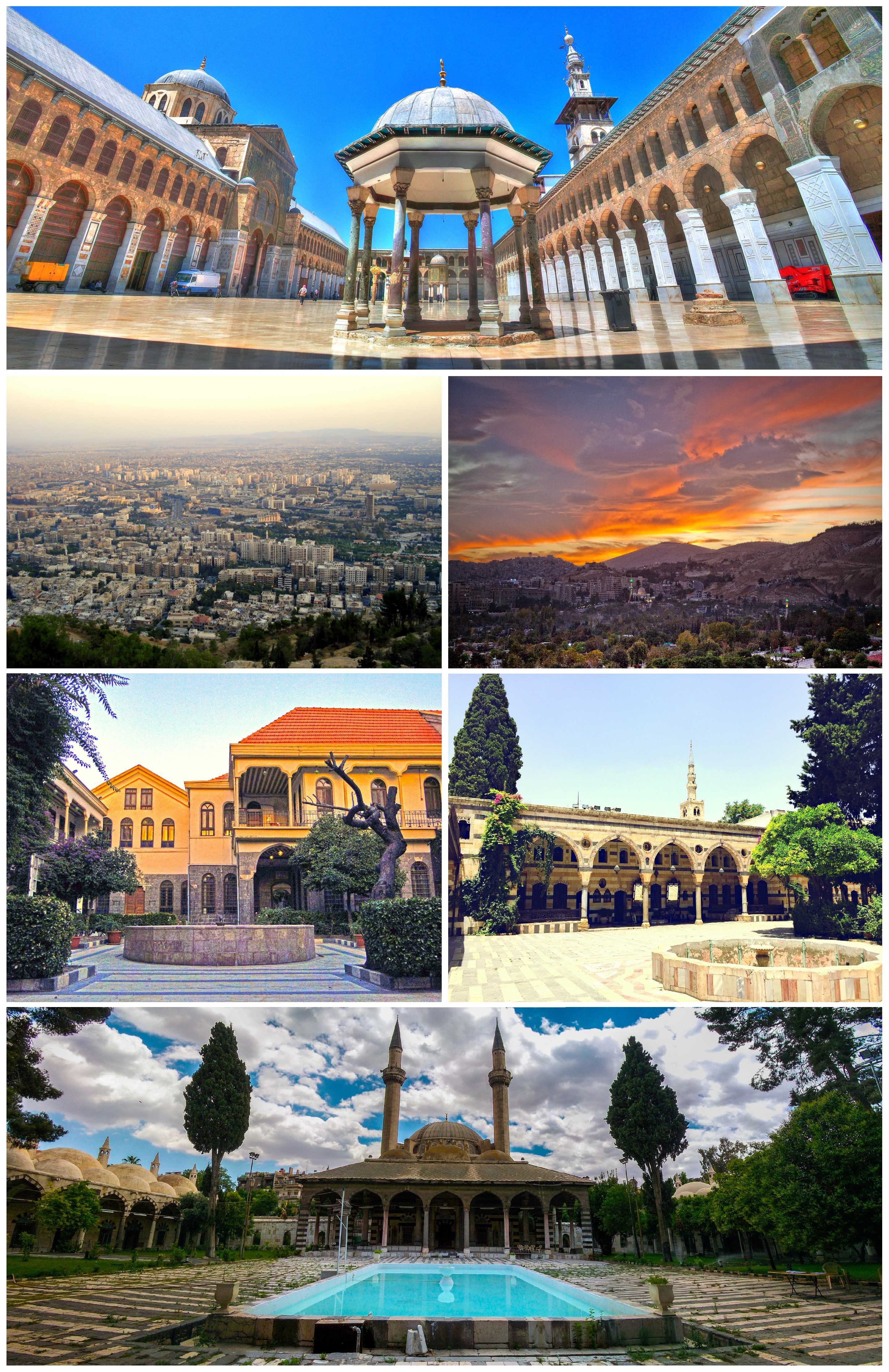
Bible Location

Damascus

A Visit With Jesus

Damascus is one of the most ancient continuously inhabited cities of the Near East and occupies an oasis east of the Anti-Lebanon Mountains in modern Syria. Its location made it an important center on routes connecting Mesopotamia, Syria, Arabia, and the Mediterranean coast.

Damascus appears repeatedly in the Old Testament, particularly in connection with the Aramean kingdom of Damascus and its conflicts with Israel. In the New Testament it is most famous for the conversion of Saul, later the apostle Paul.

The ancient city survives within modern Damascus, although centuries of continuous occupation make the reconstruction of its earliest urban landscape difficult.

Damascus

Biblical Significance

Damascus appears as early as the patriarchal narratives and later became the capital of an important Aramean kingdom. During the monarchy, the kings of Damascus repeatedly interacted and fought with Israel and Judah. Second Samuel 8:5 describes David defeating Arameans from Damascus, while later books record conflicts involving kings such as Ben-hadad and Hazael.

The prophets also addressed Damascus. Isaiah, Jeremiah, and Amos pronounced judgments concerning the city and the Aramean kingdom.

Damascus became especially important in Acts 9. Saul traveled there intending to arrest followers of Jesus, but encountered the risen Christ on the road. After entering Damascus blind, he was visited by Ananias, regained his sight, was baptized, and began proclaiming Jesus.

Historical Background

Damascus developed around the Barada River oasis and benefited from fertile agricultural land and major trade routes. During the early first millennium BC it became the capital of the Aramean kingdom usually called Aram-Damascus.

Aram-Damascus was frequently a rival of the northern kingdom of Israel. At other times the two states cooperated against larger threats. The Assyrian king Tiglath-pileser III captured Damascus in 732 BC and ended its independent kingdom.

The city nevertheless remained important under Assyrian, Babylonian, Persian, Hellenistic, Roman, Byzantine, Islamic, and later governments. During the New Testament period Damascus belonged to the complex political world of Roman Syria and its neighboring territories.

Modern Identification

Biblical Damascus is securely identified with modern Damascus, the capital of Syria. Continuous occupation has preserved the city's name and general location for millennia.

Some places associated by later Christian tradition with Paul, including the "Street Called Straight" and locations connected with Ananias, remain commemorated within the modern city. The ancient street system provides historical context, but individual traditional sites cannot all be independently verified as the exact locations of events described in Acts.

Scripture References

Related Resources

Sources

Bible: Genesis 14:15, 2 Samuel 8:5-6, 1 Kings 11:23-25, 1 Kings 19:15, 2 Kings 8-16, Isaiah 7-8, Isaiah 17, Jeremiah 49:23-27, Amos 1:3-5, Acts 9, Acts 22, Acts 26; Assyrian royal inscriptions; historical and archaeological studies of ancient Damascus